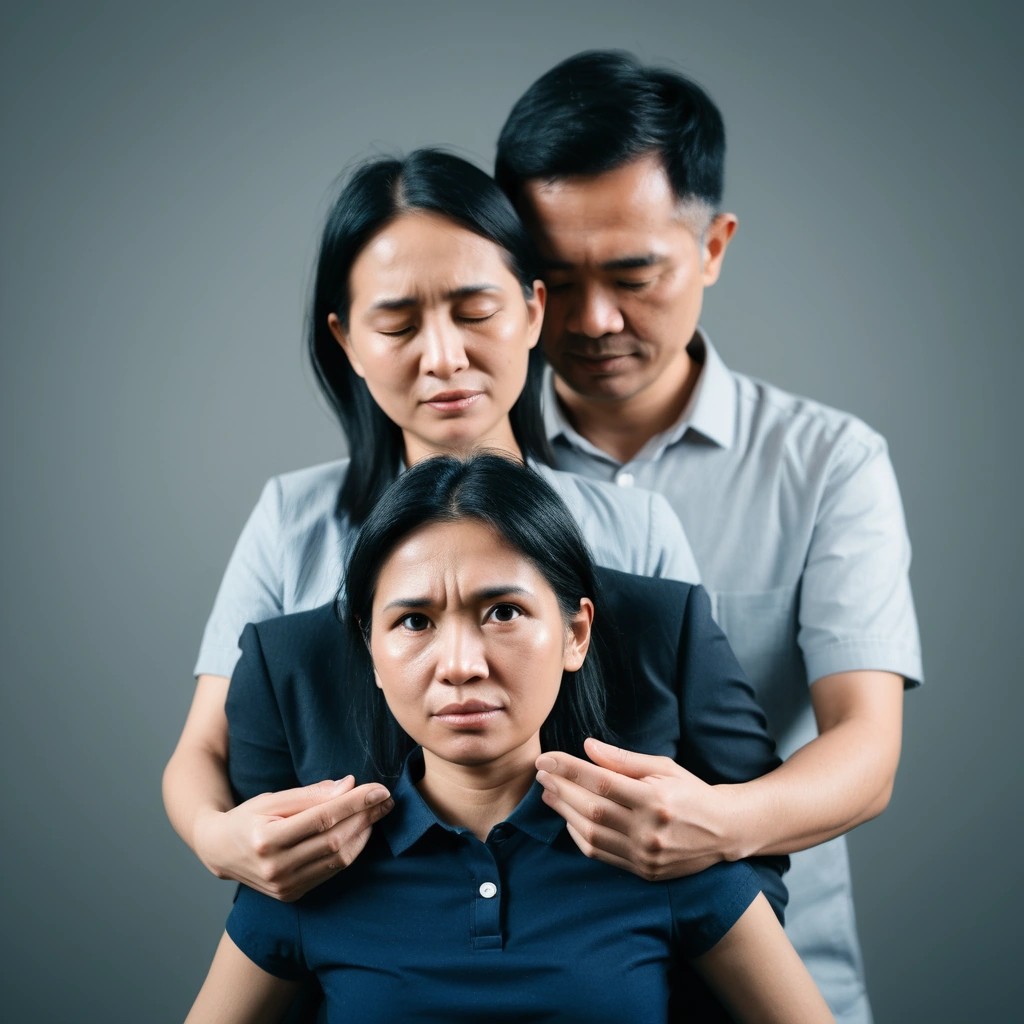
The Hidden Cost of Migration: A Complete Guide to OFW Mental Health and Family Wellbeing
Working overseas provides Filipino families with financial opportunities that would otherwise be impossible at home. The remittances fund education, build houses, and lift entire communities out of poverty. But migration extracts a price that rarely appears on any balance sheet: the psychological toll on workers abroad and the families they leave behind.
This guide addresses what many OFW resources overlook—the emotional and mental health challenges that affect millions of Filipino migrant workers and their families, and the concrete steps you can take to protect your wellbeing.
Understanding the Mental Health Landscape for OFWs
The statistics paint a sobering picture. Research conducted by the Department of Science and Technology through the Philippine Council for Health Research and Development indicates that prolonged exposure to migration-related stressors can lead to severe mental health issues, including anxiety, depression, and even suicidal thoughts among overseas workers. Dr. Veronica Ramirez, who has studied OFW mental health patterns extensively through the University of Asia and the Pacific, found that mental health problems may worsen over time if not enough attention is given to address them, with intervention needed during all three phases of migration: pre-departure, employment abroad, and reintegration after return.
Depression rates among expatriates can run significantly higher than among local populations. One counselor based in Spain who works with migrant communities noted that rates of depression—or the feeling that life is meaningless—could be up to 50 percent higher among those living abroad. The isolation, cultural adjustment, and separation from support networks create what researchers call a perfect storm for mental health challenges.
What makes the OFW experience particularly difficult is the expectation of constant strength. Filipinos abroad are seen as heroes providing for their families. Admitting to loneliness, depression, or anxiety feels like admitting failure. This silence allows problems to fester until they become crises.
The Six-Month Mark: When Reality Sets In
Experienced OFW counselors and returned workers consistently identify a pattern: around the sixth month of deployment, many workers experience what some describe as an almost unbearable dark feeling of sadness, loneliness, and utter despair. The initial excitement of the new job has worn off. The reality of years away from family becomes concrete rather than abstract. Holiday seasons pass without loved ones.
For some workers, this feeling eventually lifts as they adjust to their new reality. For others, the sadness lingers and even manifests as physical symptoms—unexplained fatigue, changes in appetite, difficulty sleeping, or frequent illness. Recognizing this pattern is the first step toward addressing it. If you’re approaching or past the six-month mark and experiencing persistent sadness, you’re not alone, and what you’re feeling has a name and a solution.
Common Mental Health Challenges Faced by OFWs
Homesickness That Becomes Something More
Every OFW experiences homesickness. Missing family, familiar food, the sound of your native language, and the rhythms of home is normal and expected. But when homesickness doesn’t fade with time, when it interferes with your ability to work or enjoy anything about your life abroad, it may have crossed into clinical depression.
The distinction matters because the solutions differ. Homesickness responds to more frequent calls home, connecting with fellow Filipinos, and finding familiar comforts in your host country. Depression requires more structured intervention—possibly counseling, lifestyle changes, or medical treatment. If your sadness has persisted for weeks, if you’ve lost interest in activities you once enjoyed, or if you’re having thoughts of harming yourself, please reach out for professional help immediately.
Anxiety and Uncertainty
Working abroad means living with constant uncertainty. Will the contract be renewed? Is the family managing the money wisely? Are the children really okay? For workers in countries with unstable political situations or difficult working conditions, this baseline anxiety intensifies. The Kafala system in some Gulf countries, where workers cannot change employers without permission, creates particular stress since escaping a bad situation feels impossible.
Research published in the journal Social Science and Medicine found that Filipino adolescents with parents working abroad reported high levels of loneliness and emotional stress that correlated with physical health symptoms. Parents abroad often share this anxiety, worrying constantly about children they cannot see or protect.
Identity Loss and Cultural Dislocation
When you strip away your former life—your job, your community, your role in your family—who are you? This question haunts many OFWs, particularly those who held professional positions at home but work in different capacities abroad. A teacher who becomes a domestic helper, an engineer who becomes a construction worker, a nurse who becomes a caregiver—these transitions can create profound identity crises.
The challenge intensifies when workers face discrimination or are treated as less than fully human by employers or society in their host country. Domestic workers in particular report being seen as possessions rather than people, with the dehumanization taking a severe psychological toll.
Trauma from Abuse or Exploitation
The statistics on abuse of migrant domestic workers are alarming. A 2017 survey suggested that as many as 60 percent of foreign domestic workers in some locations experienced some form of exploitation, including verbal threats and time exploitation. Physical abuse, sexual harassment, and conditions approaching forced labor affect workers across the Gulf region, Asia, and even Western countries.
Workers who escape abusive situations carry psychological scars that don’t heal automatically. Trauma manifests as nightmares, hypervigilance, difficulty trusting others, and emotional numbness. Without proper support, trauma survivors may struggle to reintegrate into normal life even after returning home.
The Families Left Behind: Children, Spouses, and Caregivers
Children of OFWs: The Anak ng OFW Experience
Between 1.5 and 9 million Filipino children are estimated to lack adequate parental involvement due to migration. The Philippine family unit is highly regarded as an integral support system, and research has established that familial cohesion serves as a key indicator for children’s mental health, including their likelihood of experiencing mental illness, suicidal ideation, and their willingness to seek help when struggling.
Children of OFWs experience a particular kind of grief—their parent isn’t dead, but isn’t present either. Studies have documented feelings of abandonment and neglect, negative emotions, anxiety, loneliness, and associated behavioral problems among children whose parents work abroad. The UGAT Foundation, which has worked with over 5,000 children of OFWs through their programs, found that one cause of enduring trauma is when parents leave in secret or with false promises about returning quickly. One workshop participant shared that when he was seven years old, his mother told him she would be away only for a while and to wait for her. He waited at the front gate every day for weeks. His mother returned after two years.
The impact differs based on which parent migrates. Research suggests that when fathers migrate, families often experience fewer disruptions because mothers traditionally handle caregiving roles in Filipino households. When mothers leave, the disruption tends to be more significant, particularly if fathers must take over caregiving duties they’re unprepared for or if children are left with extended family members who may not provide the same quality of care.
Spouses and Caregivers
The spouse left behind faces a unique kind of loneliness. They must manage the household alone, make decisions without their partner, and maintain the marriage across thousands of miles. Miscommunication over money, jealousy fueled by distance, and the simple erosion of intimacy from years apart strain many OFW marriages.
Grandparents, aunts, uncles, and other relatives who step into caregiver roles face their own challenges. They may feel inadequate to the task, overwhelmed by the responsibility, or caught between their own lives and the needs of the children in their care.
Government Resources for Mental Health Support
The Philippine government has established multiple channels for OFWs experiencing distress, though awareness of these services remains limited.
The 1348 Hotline
The Department of Migrant Workers (DMW) operates a 24/7 hotline that serves as the primary point of contact for distressed OFWs. The One Repatriation Command Center (ORCC) can be reached by dialing 1348 from within Metro Manila, (02) 1348 from outside Metro Manila, or 0632-1348 for international calls. This hotline operates around the clock, including weekends and holidays.
The 1348 hotline connects callers to assistance for a range of concerns including abuse, exploitation, poor working conditions, medical emergencies, and requests for repatriation. Family members who haven’t heard from their OFW loved one can also call to initiate a welfare check. One DMW spokesperson described it as functioning like a 911 emergency hotline, triggering response once a call or email comes in.
Contact Details:
- Hotline: 1348 (Metro Manila), (02) 1348 (provinces), 0632-1348 (international)
- Email: repat@dmw.gov.ph
- Walk-in: ORCC Help Desk, 2nd Floor, Blas F. Ople Building, Ortigas Avenue corner EDSA, Mandaluyong City (Monday-Friday, 8am-5pm)
- Alternative numbers: (02) 8-722-11-44, (02) 8-722-11-55
- General inquiries: connect@dmw.gov.ph
Migrant Workers Offices Abroad
The former Philippine Overseas Labor Offices (POLO) have been renamed Migrant Workers Offices (MWO) under the Department of Migrant Workers. These offices exist in countries with significant OFW populations and offer psychosocial counseling among their services.
MWO offices can assist with employment disputes, contract verification, emergency shelter, and referrals to local mental health resources. The offices in some locations, like Tokyo, specifically list psychosocial counseling and hospital visitation among their welfare assistance services.
To find the MWO in your host country, visit dmw.gov.ph or contact the 1348 hotline.
OWWA Programs and Services
The Overseas Workers Welfare Administration (OWWA) maintains its own support systems for members. The Welfare Assistance Program provides aid to members facing various circumstances, including medical and mental health needs. OWWA has partnerships with mental wellness helplines and can provide referrals to appropriate resources.
OWWA Regional Welfare Offices throughout the Philippines can assist family members of OFWs who need support. The central office is located at F.B. Harrison Street in Pasay City.
DOLE and Related Referral Systems
For OFWs needing mental health counseling, the OWWA maintains referral systems to several mental wellness helplines. These include:
- UGAT Foundation: (02) 8370-0239, Facebook: contactUGATsandaline
- Various psychological services providers that OWWA coordinates with based on location and need
Non-Government and Community Resources
UGAT Foundation and the PANATAG Program
The UGAT Foundation (Ugnayan at Tulong Para sa Maralitang Pamilya Foundation, Inc.) is a Jesuit apostolate that has focused on OFW families since 2008 through their PANATAG program. PANATAG stands for Pamilya ng Nangibang-bansa, Aruga, Tulong at Gabay, meaning Nurture, Support and Guide for OFW Families.
Their key programs include:
ANAK Workshop: A one-day workshop for children of OFWs using counseling approaches to help them understand their situation, share their feelings, and develop positive coping mechanisms. The workshops use the Person-Oriented Approach developed by psychologist Carl Rogers, allowing participants to undergo catharsis—releasing pent-up emotions and unresolved issues—before gaining deeper appreciation for their OFW parent’s decision and situation.
ALAB Youth Camp: An intensive two-night camp for children who have completed the ANAK Workshop, combining talks and interactive activities designed to boost self-image, overcome negative attitudes, and set positive goals.
KAISA Workshop: A half-day workshop for spouses and caregivers left behind, helping them understand their situation, share emotions, develop coping skills, and connect with others in similar circumstances.
GABAY Workshop: Training for volunteer facilitators and mentors who will sustain support programs in their schools and communities.
Contact Information:
- Website: ugatfoundation.com
- Phone: (02) 8370-0239
- Facebook: contactUGATsandaline
Religious and Community Organizations
The Episcopal Commission for the Pastoral Care of Migrants and Itinerant People (ECMI) of the Catholic Bishops’ Conference of the Philippines operates programs specifically for children of OFWs through their Sons and Daughters of OFW Formation Program (also called ANAK OFW Program). These initiatives help raise awareness of challenges faced by OFW children and train educators to provide psychosocial support.
Atikha Overseas Workers and Communities Initiative provides services including psychosocial intervention for women and children, values formation seminars, and summer workshops for children of overseas Filipinos. They have established self-help groups among OFW children in pilot areas.
Many Filipino communities abroad also organize informal support networks. Churches, cultural associations, and social groups provide spaces where OFWs can connect with fellow Filipinos, share experiences, and find emotional support. These communities become particularly important during holidays and times of crisis.
Practical Strategies for Protecting Your Mental Health Abroad
Before Departure: Mental Preparation
The pre-departure phase offers opportunities to strengthen your mental health foundation before facing the challenges of life abroad.
Honest conversations with family: Discuss expectations realistically. How often will you communicate? How will money be managed and decisions made? What happens if problems arise? These conversations prevent misunderstandings that fester into major conflicts.
Explaining departure to children: Avoid leaving secretly or making promises you cannot keep about when you’ll return. Children cope better when given honest, age-appropriate explanations about why a parent must leave and when they might return. The trauma of a parent disappearing without explanation can last decades.
Building your support network in advance: Research Filipino communities in your destination. Identify churches, associations, or social groups you might join. Having connections waiting for you reduces isolation in those crucial first months.
Mental health baseline: If you have a history of depression, anxiety, or other mental health conditions, consult with a mental health professional before departure. Understand your warning signs and have a plan for getting help abroad if needed.
During Employment: Daily and Weekly Practices
Maintain communication, but set boundaries: Regular contact with family is essential, but obsessive checking in can increase rather than decrease anxiety. Establish a communication schedule that works for both sides. Quality of connection matters more than quantity.
Physical health supports mental health: Exercise, adequate sleep, and proper nutrition directly impact mood and resilience. When work demands are intense, these basics often suffer—and mental health declines with them.
Find your community: Whether through church, cultural groups, sports leagues, or informal gatherings, connection with others provides crucial support. Many OFWs report that weekend gatherings with fellow Filipinos serve as lifelines during difficult times.
Create personal rituals: Small practices that connect you to home—cooking Filipino food, celebrating holidays even alone, maintaining religious practices—help preserve identity and provide comfort.
Recognize warning signs: Persistent sadness lasting more than two weeks, loss of interest in activities, changes in sleep or appetite, difficulty concentrating, or thoughts of self-harm warrant immediate attention. Don’t dismiss these signs as normal adjustment difficulties.
When Crisis Strikes: Getting Help
If you are experiencing a mental health crisis, abuse, or dangerous working conditions:
- Call for help immediately: The 1348 hotline operates 24/7. If you cannot call, email repat@dmw.gov.ph.
- Contact the nearest MWO: The Migrant Workers Office in your host country can provide immediate assistance including emergency shelter.
- Reach out to your embassy: Philippine embassies can provide assistance-to-nationals services when MWO offices are not available.
- Document everything: If you are being abused or exploited, document incidents when safe to do so. Photos of injuries, records of unpaid wages, copies of contracts—these become important if legal action follows.
- Don’t wait for it to get worse: Many OFWs endure terrible conditions hoping things will improve or fearing the consequences of reporting. The government has legal assistance funds and repatriation support for workers who leave abusive situations.
Supporting Your Family from Abroad: Long-Distance Parenting
Staying Present While Absent
Technology has transformed long-distance parenting. Video calls allow OFWs to participate in daily life in ways previous generations couldn’t imagine. But technology cannot replace presence, and families must work consciously to maintain emotional connections.
Participate in daily routines: Don’t limit calls to special occasions. Call during homework time, bedtime routines, or weekend mornings. Being part of ordinary moments maintains the sense of an ongoing relationship rather than periodic check-ins.
Be interested in their interests: Ask about friends, games, subjects at school, and small daily victories and challenges. Children need to feel that their absent parent knows and cares about the details of their lives.
Make the absent parent present: Spouses and caregivers can help by talking about the absent parent regularly, pointing out similarities between children and their OFW parent, and keeping photos and mementos visible in the home.
Avoid the gift trap: Material gifts cannot substitute for emotional presence. Some OFWs try to compensate for absence by sending expensive items, which can create entitled attitudes in children and guilt when financial circumstances change.
Addressing Problems Across Distance
When children struggle academically, behaviorally, or emotionally, long-distance intervention is challenging but possible:
Work with schools: Establish direct communication with teachers and guidance counselors who can be your eyes and report concerns while implementing agreed-upon responses.
Consider professional support: If a child shows persistent problems, counseling or therapy may help. Programs like UGAT’s ANAK Workshop provide structured support specifically designed for OFW children.
Avoid blame and guilt: Children’s problems are rarely solely due to a parent’s absence. Resist the temptation to see every difficulty as proof that migration was wrong. Focus on solutions rather than guilt.
Returning Home: Reintegration Challenges
The Adjustment Everyone Underestimates
Returning home should be happy, but many OFWs find reintegration surprisingly difficult. Years abroad change people. Children have grown. Spouses have developed independence. The community has moved on. The returning OFW no longer fits seamlessly into spaces that were once familiar.
Reverse culture shock is real and can be as difficult as the original adjustment to life abroad. Some returned OFWs report feeling like strangers in their own homes, unable to relate to family members who don’t understand what they experienced abroad.
Re-establishing Family Relationships
Children who grew up without a parent may have complex feelings about their return. Joy at the reunion may mix with resentment about the absence. Some children struggle to accept a parent’s authority after years of that parent being a voice on the phone rather than a physical presence.
Spouses must renegotiate roles and responsibilities. The partner who managed everything during the absence may not easily surrender control. The returning OFW may feel displaced in their own home.
These adjustments take time. Families should expect a period of awkwardness and conflict as everyone finds new equilibrium. Seeking family counseling during this period can help navigate the transition.
Government Reintegration Support
The National Reintegration Center for OFWs (NRCO), now under the DMW, provides programs to help returning workers transition back to Philippine life. Services include counseling, job search assistance, enterprise development support, and skills training.
OWWA’s reintegration programs include livelihood assistance and training to help returned OFWs establish businesses or find local employment.
Special Considerations for Domestic Workers
Domestic workers face particular mental health challenges due to the nature of their work. Living in employers’ homes means no true off-duty hours. The power imbalance inherent in domestic employment, combined with social isolation and cultural barriers, creates conditions ripe for exploitation and psychological harm.
Recognizing Exploitation
Not all difficult working conditions constitute abuse, but domestic workers should know the warning signs:
- Being confined to the house without permission to leave
- Passport or documents confiscated by employer
- Not receiving agreed-upon wages or having unauthorized deductions
- Being forbidden from communicating with family or friends
- Verbal abuse, threats, or humiliation
- Physical assault or sexual harassment
- Inadequate food, sleep, or living conditions
Protecting Yourself
Keep copies of your contract and important documents in a place your employer cannot access—perhaps with a trusted friend or at the MWO. Maintain contact with the Filipino community even if your employer discourages it. Know the emergency numbers for your host country and the Philippine embassy.
If you are being abused, you are not trapped. The Philippine government will help you leave and return home. Contact the 1348 hotline, the nearest MWO, or any Filipino community organization that can connect you with help.
Breaking the Silence: Why Talking Matters
Filipino culture often discourages open discussion of emotional struggles. Mental health problems carry stigma. OFWs feel pressure to maintain the image of successful heroes rather than admit to loneliness or depression.
This silence is dangerous. Problems that could be addressed early with support instead grow until they become crises. Workers suffer alone when help is available. Families don’t discuss the emotional costs of separation, allowing resentments and misunderstandings to build.
Talking about mental health doesn’t mean complaining or failing. It means acknowledging reality and seeking solutions. The strongest people are those who recognize when they need help and ask for it.
Contact Directory: Complete Mental Health and Emergency Resources
Primary Emergency Contacts
One Repatriation Command Center (ORCC)
- Hotline: 1348 (Metro Manila), (02) 1348 (provinces), 0632-1348 (international)
- Alternative: (02) 8-722-11-44, (02) 8-722-11-55
- Email: repat@dmw.gov.ph
- Address: 2nd Floor, Blas F. Ople Building, Ortigas Avenue corner EDSA, Mandaluyong City
Department of Migrant Workers (DMW)
- General inquiries: connect@dmw.gov.ph
- Feedback: feedback@dmw.gov.ph
- Website: dmw.gov.ph
OWWA
- Hotline: 1348
- Address: OWWA Building, F.B. Harrison Street, Pasay City
Mental Health and Counseling Support
UGAT Foundation
- Phone: (02) 8370-0239
- Website: ugatfoundation.com
- Facebook: contactUGATsandaline
- Programs: ANAK Workshop, KAISA Workshop, ALAB Youth Camp
National Center for Mental Health Crisis Hotline
- Phone: 1553, 0917-899-USAP (8727)
ECMI-CBCP (Pastoral Care of Migrants)
- Programs for children of OFWs and migrant families through local dioceses
International Organizations
International Organization for Migration (IOM)
- Provides assistance to migrants worldwide including trafficking victims
- Contact through Philippine offices or local IOM offices in host countries
For Children and Families in the Philippines
National Reintegration Center for OFWs (NRCO)
- Address: Under DMW, contact through OWWA regional offices
- Services: Counseling, job placement, livelihood assistance
OWWA Regional Welfare Offices
- Located in all regions of the Philippines
- Provide assistance to OFW families including referrals to mental health services
Trafficking and Abuse Reporting
Inter-Agency Council Against Trafficking (IACAT)
- Hotline: 1343
Commission on Human Rights
- Phone: (02) 8294-8704
- Address: SAAC Building, Commonwealth Avenue, UP Complex, Diliman, Quezon City
Conclusion: Your Wellbeing Matters
The sacrifice of working abroad for your family is real and honorable. But sacrifice should not extend to destroying your mental health or abandoning your own wellbeing. You cannot care for your family if you do not care for yourself.
Mental health struggles are not weakness. They are the natural human response to difficult circumstances. Acknowledging them and seeking help demonstrates strength, not failure.
If you are struggling, please reach out. The resources exist. The help is available. You are not alone, and you don’t have to suffer in silence.
Your family needs you healthy and whole—not just sending money, but present in their lives for years to come. Protecting your mental health is not selfish. It is one of the most important things you can do for the people you love.
