Navigating Doha’s Dreams: Filipino Domestic Workers, Sustainable Development, and the Pursuit of a Better Future in Qatar (2000s)
Introduction
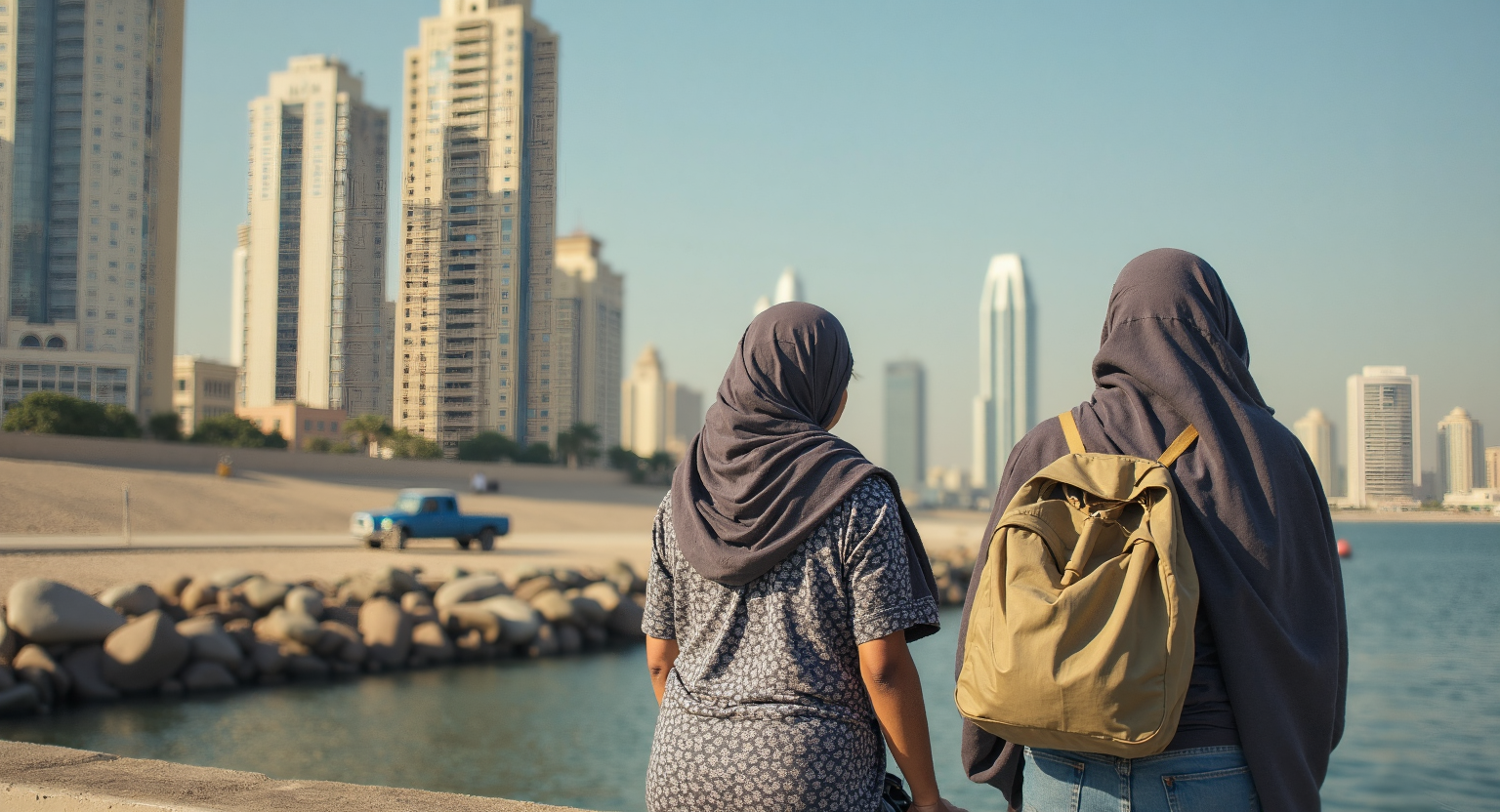
Picture this: Doha in the early 2000s. A skyline that sparkled with ambition, a testament to Qatar’s explosive growth, all fueled by the engine of globalization. For countless Overseas Filipino Workers (OFWs), particularly domestic helpers, this was their daily reality. Qatar was riding high on its energy sector, but it wasn’t just about oil and gas. No, this was ambition on steroids—massive infrastructure projects, skyscrapers reaching for the heavens, the works. And with all that growth came a hunger for labor, a gap that Filipinos rushed to fill. But let’s be real: it wasn’t just about the money. Families back home depended on those remittances, and for many, this was their shot at something better—something more than what they had at home. Still, because there’s always a but, this era wasn’t all glitz and glamour. Sure, there were perks. The Qatari lifestyle could be flashy, but don’t be fooled. The reality for OFWs, especially domestic helpers, was far more complicated. These were hardworking, resilient people, pumping vital cash into the Philippine economy. Yet, for every success story, there were tales of exploitation, grueling hours, and the soul-crushing feeling of being just another cog in a machine. It’s a duality that sticks with you, a stark reminder of the harsh realities behind the shiny facade. Technology, too, played a role—sometimes for better, sometimes for worse. Cheaper calls and the internet meant workers could stay in touch with home more easily—a lifeline for families. But that same tech? It also gave shady recruiters a new playground. High fees, empty promises—you name it, it happened. A lot. Domestic work in Qatar was a mixed bag. These helpers were the backbone of countless households, yet they had almost no legal protection. Unpaid wages? Far too common. Restricted movement? Absolutely. It’s staggering how a job so essential to daily life could also be so precarious. Makes you question the whole system, doesn’t it? But career growth? Don’t hold your breath. Domestic work was—and still is—labeled as unskilled, which meant limited opportunities for advancement. Some workers managed to pivot into elder care or special needs support, but that often hinged on employer goodwill. No formal training, no clear path. It’s a systemic issue, plain and simple. Skills programs could change the game, but they’re still few and far between. Then there are the UN’s Sustainable Development Goals (SDGs). The 2015 targets aren’t just lofty ideals—they’re directly relevant here. SDG 8, decent work, is the obvious one: fair wages, safe conditions. But SDG 10, reducing inequalities, and SDG 17, partnerships, are just as critical. Migrant workers, especially women, face systemic barriers that won’t budge without collaboration. Governments, NGOs, companies—they all need to step up. Looking ahead, global trends are shifting. AI might reshape domestic work demands, but aging populations in wealthy nations could drive up caregiving needs. Adaptability will be key for OFWs. Skills, advocacy, staying informed—these aren’t optional anymore. Platforms like OFWJobs.org (www.ofwjobs.org)? They’re more than just job boards. They’re lifelines, connecting workers to opportunities, sharing resources, and pushing for ethical hiring. Transparency isn’t just a buzzword here—it’s a necessity. No more shady dealings. The 2000s laid bare globalization’s double-edged sword. It opened doors but also exposed vulnerabilities. Addressing this isn’t just about policy tweaks—it’s about empathy. Recognizing the humanity of these workers, their struggles, their contributions. Because at the end of the day, they’re not just numbers on a spreadsheet. They’re people. And let’s not forget remittances—they’re a lifeline for the Philippine economy. That’s undeniable. But sustainable support is what’s really needed: education, skills training, entrepreneurship. Societies need to stop treating OFWs as invisible. Their stories deserve to be heard, loud and clear.