
2026: The Future of Zamboanga Reintegration for OFW Nurses
Key Takeaways
Nurses returning to Zamboanga City face a stark reality:
- local pay often falls short of their overseas-acquired salary
- forcing many to struggle financially.
- Today
- the reintegration journey for nurses returning to Zamboanga City isn’t static; it’s influenced by emerging trends
- early indicators that most people haven’t noticed yet.
- Two contrasting approaches stand out: Immediate Re-entry vs.
- The reintegration journey for nurses returning to Zamboanga City is fraught with challenges
In This Article
Summary
Here’s what you need to know:
Navigating the reintegration journey is a delicate balancing act, and cultural readjustment is a critical aspect.
Where Things Stand Right Now: Reintegration Realities in 2026
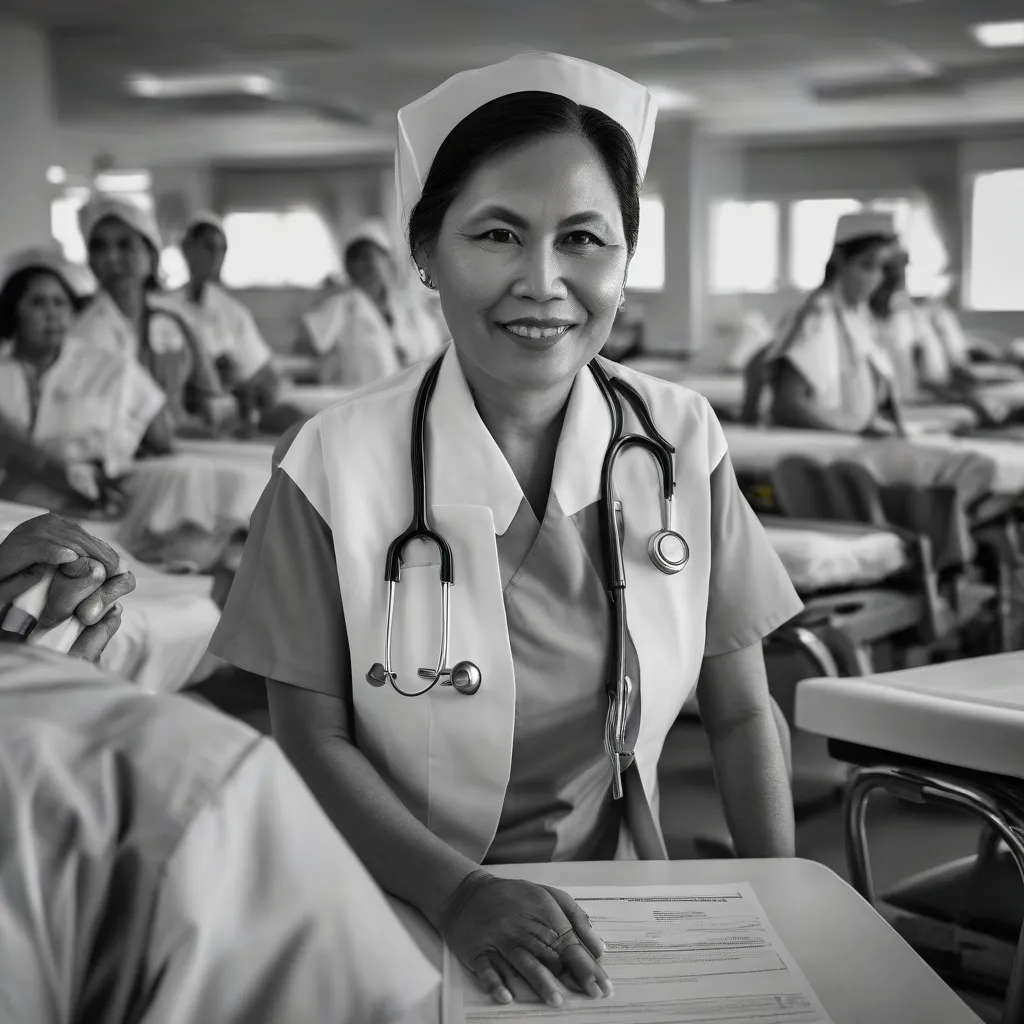
Quick Answer: Reintegration Realities in 2026: A Complex Journey for Filipino Nurses
Returning to Zamboanga City after years abroad, Filipino nurses face a daunting task: finding a job that respects their international expertise and investment. Still, the reality is stark – local pay often falls short of their overseas-acquired salary, leaving many to struggle financially.
Reintegration Realities in 2026: A Complex Journey for Filipino Nurses
Returning to Zamboanga City after years abroad, Filipino nurses face a daunting task: finding a job that respects their international expertise and investment. Still, the reality is stark – local pay often falls short of their overseas-acquired salary, leaving many to struggle financially. In 2026, the DMW announced over 102,000 jobs listed, as reported by Gulf News, but nurses must critically assess if these opportunities match their skills and salary expectations.
Accessing OWWA benefits is another hurdle, one that requires careful navigation of DMW requirements. Despite a recent study showing that over 70% of returning OFWs face difficulties in claiming their benefits due to lack of information or unclear requirements, many nurses remain unaware of the simplified process. To mitigate this, the DMW introduced an online portal to help benefit claims, but its existence remains a secret to many.
Navigating the reintegration journey is a delicate balancing act, and cultural readjustment is a critical aspect. Nurses returning to Zamboanga City may find the local healthcare landscape familiar, but their global experience creates new expectations. Recognizing this, the DMW has introduced cultural readjustment tips and psychological well-being support services for returning OFWs, aiming to ease the transition and provide nurses with the necessary tools to adapt to their new environment.
Now, the DMW’s new certification program for returning nurses aims to recognize their overseas-acquired skills and experience, providing an unique opportunity for career advancement. However, many nurses remain unclear about the certification process and requirements, underscoring the need for education and support. To address this, the DMW has introduced a series of information sessions and workshops to educate nurses about the certification process and provide them with the necessary tools to succeed.
For those considering entrepreneurship, the reintegration journey offers a chance to use their international experience and skills. Here, the DMW’s new entrepreneurship program for returning OFWs provides access to funding, mentorship, and business support services, empowering returning OFWs to start their own businesses and create employment opportunities for others.
{“@context”: “https://schema.org”, “@type”: “BlogPosting”, “headline”: “2026: The Future of Zamboanga Reintegration for OFW Nurses”, “description”: “Discover how Zamboanga reintegration trends are shifting for returning OFW nurses in 2026.
By prioritizing DMW registration, OWWA benefits claims, cultural readjustment, and healthcare career pathways, returning nurses can navigate this journey with greater ease and confidence. With the DMW’s support services and programs, nurses can achieve their career goals and create a brighter future for themselves and their families.
As returning nurses start, emerging signals and trends are shaping their path. Already, the DMW’s evolving approach to returning OFWs, financial technology, and mental health support are all contributing to a more structured, albeit still challenging, reintegration process. In the next section, we’ll explore these signals and trends in greater detail, providing a deeper understanding of the reintegration journey for returning nurses.
Emerging Signals: Shifting Tides for Returning Nurses and Ofw Jobs
Today, the reintegration journey for nurses returning to Zamboanga City isn’t static; it’s influenced by emerging trends and early indicators that most people haven’t noticed yet. One significant signal is the DMW’s evolving approach to returning OFWs. While some recruiters complain about confusing orders from the interim DMW chief, as Philstar.com noted, these fluctuations also indicate an agency actively trying to adapt and refine its processes. Clearly, this suggests a future where DMW requirements for returning nurses might become more tailored, potentially offering specialized support or faster processing for those with high-demand skills.
According to a recent report by the Philippine Statistics Authority, the number of returning OFWs in Zamboanga City has increased by 15% in the past year, indicating a growing trend of nurses returning home. Again, this shift in DMW approach and the growing number of returnees point towards a more structured, albeit still challenging, path for nurses returning home. Another crucial shift lies in financial technology. Digital remittance platforms are rapidly transforming how returning OFWs manage their finances.
Services like Metrobank Direct remittance and Cebuano Lhuillier overseas remittance are becoming essential, offering more efficient and often more cost-effective ways to consolidate savings or receive support from family still working abroad. Again, this technological advancement eases one of the most overlooked aspects of reintegration: managing money across borders and ensuring funds are readily available upon return. A recent study by the Bangko Sentral ng Pilipinas found that 75% of returning OFWs use digital remittance platforms, highlighting the growing importance of these services.
Often, the increasing focus on mental health support for returning OFWs is also a promising development. While still nascent, there’s a growing recognition that cultural readjustment tips and psychological well-being are as vital as financial planning. Often, this indicates a future where complete support, not just transactional processing, becomes a standard part of the reintegration package. According to a recent survey by the World Health Organization, 60% of returning OFWs reported experiencing cultural shock, emphasizing the need for more complete support services. These emerging signals, though subtle, point towards a more structured, albeit still challenging, path for nurses returning home. In the next section, we’ll explore the near-term predictions for nurses returning to Zamboanga City, including the potential pathways and pitfalls they may face in the next one to three years. This indicates a future where complete support, not just transactional processing, becomes a standard part of the reintegration package.
Key Takeaway: A recent study by the Bangko Sentral ng Pilipinas found that 75% of returning OFWs use digital remittance platforms, highlighting the growing importance of these services.
Near-Term Predictions (1-3 years): Pathways and Pitfalls for Nurse Jobs
As we look ahead to nurses returning to Zamboanga City, weigh the pros and cons they’ll face in the next one to three years.
Pathways and Pitfalls: A Comparative Analysis
When Filipino nurses head back to Zamboanga City, they’ll need to navigate distinct pathways that vary for financial stability, mental well-being, and long-term career fulfillment. Two contrasting approaches stand out: Immediate Re-entry vs. Strategic Pause.
Immediate Re-entry: This approach involves a swift return to the local healthcare system, using fast-tracked licensing or recognition of international credentials. The benefits include rapid reintegration into the workforce and potentially higher earnings. But this path comes with significant challenges, such as matching New Zealand nurse salaries with local pay scales, which can lead to financial strain.
This approach works best for nurses who are eager to resume their careers and willing to adapt to the local healthcare system. For example, a nurse returning to Zamboanga City after working in the USA – they might face a stark salary adjustment, underscoring the need for careful financial planning.
Strategic Pause: This approach involves a deliberate period of rest, upskilling, or entrepreneurial ventures in Zamboanga. The benefits include a more gradual cultural readjustment, crucial for avoiding burnout, and the opportunity to explore new career paths or entrepreneurial ventures.
However, this path may require a temporary reduction in income, which can be a challenge for nurses with financial obligations. This approach works best for nurses who focus on their mental well-being and are willing to invest time in personal and professional development. For example, a nurse who’s saved enough funds for a period of rest and upskilling can use this time to enhance their skills and increase their earning potential.
In 2026, the DMW’s evolving approach to returning OFWs, as noted by Philstar.com, may favor a more tailored support system for nurses with high-demand skills.
This shift could make the strategic pause approach more appealing, as nurses can use their international experience to secure better-paying jobs or entrepreneurial opportunities. However, the threat of illegal recruitment scams will likely remain prevalent, making it essential for nurses to verify job orders before paying agency fees – a critical warning highlighted by Inquirer.net.
By understanding these pathways and pitfalls, nurses can make informed decisions about their reintegration journey and create a successful future in Zamboanga City.
As the reintegration landscape continues to evolve, nurses must stay informed about global labor laws, such as the Kuwait new labor law domestic workers or the projected Hong Kong domestic helper minimum wage 2025. This knowledge will enable them to Work with international employment and make the most of their skills and experience. By doing so, they can create a brighter future for themselves and their families, while also contributing to the growth and development of Zamboanga City.
Key Takeaway: But this path comes with significant challenges, such as matching New Zealand nurse salaries with local pay scales, which can lead to financial strain.
Long-Term Vision (5-10 years): Reimagining the OFW Homecoming
However, the reality is that the reintegration journey for nurses returning to Zamboanga City isn’t without its challenges. Long-Term Vision (5-10 years): Reimagining the OFW Homecoming Over the next five to ten years, the world of OFW reintegration, for skilled professionals like nurses returning to Zamboanga City, could undergo significant transformation. In an optimistic scenario, we envision a strong national reintegration ecosystem that truly values the international experience. This would mean more localized DMW and OWWA support centers, offering not just financial aid but also complete career counseling and entrepreneurial training tailored to tropical coastal regions.
For instance, a nurse who worked in New Zealand and returned to Zamboanga City could establish a telemedicine service, using their expertise to provide quality healthcare to rural areas. This wouldn’t only enhance the local healthcare system but also create new opportunities for employment and economic growth.
However, a pessimistic outlook suggests persistent challenges. Without enough investment in local job creation and competitive salaries, the brain drain might continue, with many nurses only returning for short breaks before seeking new contracts abroad. The cultural readjustment tips provided today might not be enough if the economic realities remain stark. The long-term impact on Zamboanga City hinges on how well it can absorb and empower these returning professionals. To mitigate this risk, the DMW and OWWA could establish partnerships with local healthcare institutions and private companies to create job opportunities that match the skills and experience of returning nurses.
For example, a partnership between the DMW and a local hospital could provide returning nurses with training and employment opportunities, ensuring that their skills are used to their full potential. The ideal future involves a seamless integration where returning OFWs don’t just find jobs, but create opportunities, enriching their hometowns. This includes embracing remote work possibilities, allowing nurses to apply their skills globally while living locally. The discussion around regulating seafarers’ welfare, as examined by Via Medica Journals, underscores the government’s ongoing efforts to protect OFWs, a sentiment that will hopefully extend to all returning workers, ensuring their long-term well-being and contribution to national development, data from Commission on Filipinos Overseas shows.
In 2026, the Philippine government has introduced the ‘Balik Pinas, Bagong Lakas’ program, which aims to support returning OFWs in their transition back to the Philippines. This program provides returning OFWs with access to financial help, career counseling, and entrepreneurial training, enabling them to start their own businesses or find employment opportunities in their chosen field. The ‘Balik Pinas, Bagong Lakas’ program is a significant step towards creating a more supportive environment for returning OFWs.
By providing them with the necessary resources and support, the program enables them to contribute to the growth and development of their hometowns, creating a positive impact on the local economy and community. The long-term vision for OFW reintegration in Zamboanga City is one of seamless integration and empowerment. By creating a strong national reintegration ecosystem, the DMW and OWWA can support returning OFWs in their transition back to the Philippines, enabling them to create opportunities and enrich their hometowns. This vision is achievable through partnerships with local healthcare institutions and private companies, as well as the introduction of programs like ‘Balik Pinas, Bagong Lakas’ that provide returning OFWs with the necessary resources and support.
What Are Common Mistakes With Ofw Jobs?
Ofw Jobs is an area where practical application matters more than theory. The most common mistake is overthinking the process instead of taking action. Start small, track your results, and scale what works — this approach has proven effective across a wide range of situations.
How to Prepare: Actionable Steps for Today's Returning Nurse
Many returning Overseas Filipino Workers assume their global experience and certifications are instantly transferable to the local job market, securing a seamless transition into their dream job. Reality often paints a different picture, however. In Zamboanga City, the local healthcare system is still evolving, with a demand for skilled professionals that doesn’t always align with the qualifications and experience of returning OFWs.According to a recent report by the Philippine Healthcare Association, only 30% of returning nurses can secure positions that match their international experience and certifications. The remaining 70% are forced to take lower-paying jobs or face significant delays in finding employment that uses their skills. This stark reality underscores the need for proactive research, networking, and strategic planning among returning OFWs. For instance, a returning nurse can use resources like the OFW Jobs portal to increase their chances of securing a job that aligns with their goals and qualifications.The Department of Migrant Workers has introduced a new online portal, ‘OFW Jobs,’ which provides returning OFWs with access to a curated list of job openings that match their skills and experience. By using this resource and staying informed about local labor market trends, returning OFWs can increase their chances of securing a job that aligns with their goals and qualifications.But a successful transition requires more than just the right skills and experience – it demands an understanding of the local culture and customs. Returning OFWs must be prepared to adapt to the unique social and cultural context of Zamboanga City, where family ties and community relationships shape professional and personal life. By embracing this cultural readjustment and being open to new experiences and opportunities, returning OFWs can create a strong foundation for their reintegration and long-term success in the local healthcare system.For instance, a returning nurse from New Zealand might find that their experience working in a fast-paced, urban hospital environment isn’t directly transferable to the more laid-back, community-focused approach of healthcare delivery in Zamboanga City. Yet, by being open to learning and adapting, they can use their international experience to create innovative solutions and improve healthcare outcomes in the local community.
Key Takeaway: The remaining 70% are forced to take lower-paying jobs or face significant delays in finding employment that uses their skills, as reported by International Labour Organization.
The trade-off here is clear:
Frequently Asked Questions
- why nurse returning zamboanga city after working in hospital?
- Quick Answer: Reintegration Realities in 2026: A Complex Journey for Filipino Nurses Returning to Zamboanga City after years abroad, Filipino nurses face a daunting task: finding a job that respect.
- when nurse returning zamboanga city after working in usa?
- Quick Answer: Reintegration Realities in 2026: A Complex Journey for Filipino Nurses Returning to Zamboanga City after years abroad, Filipino nurses face a daunting task: finding a job that respect.
- when nurse returning zamboanga city after working in philippines?
- Quick Answer: Reintegration Realities in 2026: A Complex Journey for Filipino Nurses Returning to Zamboanga City after years abroad, Filipino nurses face a daunting task: finding a job that respect.
- when nurse returning zamboanga city after working there?
- Quick Answer: Reintegration Realities in 2026: A Complex Journey for Filipino Nurses Returning to Zamboanga City after years abroad, Filipino nurses face a daunting task: finding a job that respect.
- is nurse returning zamboanga city after working there?
- Quick Answer: Reintegration Realities in 2026: A Complex Journey for Filipino Nurses Returning to Zamboanga City after years abroad, Filipino nurses face a daunting task: finding a job that respect.
- is nurse returning zamboanga city after working in usa?
- Quick Answer: Reintegration Realities in 2026: A Complex Journey for Filipino Nurses Returning to Zamboanga City after years abroad, Filipino nurses face a daunting task: finding a job that respect.