
From Diploma to Dining Room: Hong Kong vs. Norway – Launching Your Hospitality Career Abroad
Key Takeaways
The creation of the Philippine Overseas Employment Administration in 1982 marked a key moment in international job placements.
- Challenges
- Opportunities Fast-paced Hong Kong isn’t for the faint of heart.
- Navigating the complexities of the Norwegian job market requires Filipino graduates to think strategically about their long-term career goals
- the specific requirements of each industry.
- However
- this is where Norway’s high-value proposition comes into play
- offering an unique combination of specialized opportunities
- a high standard of living
In This Article
Summary
Here’s what you need to know:
The Philippines, with its strong supply of qualified candidates, is poised to capitalize on this upward trend.
The Strategic Imperative for Global Hospitality Careers for Ofw Jobs
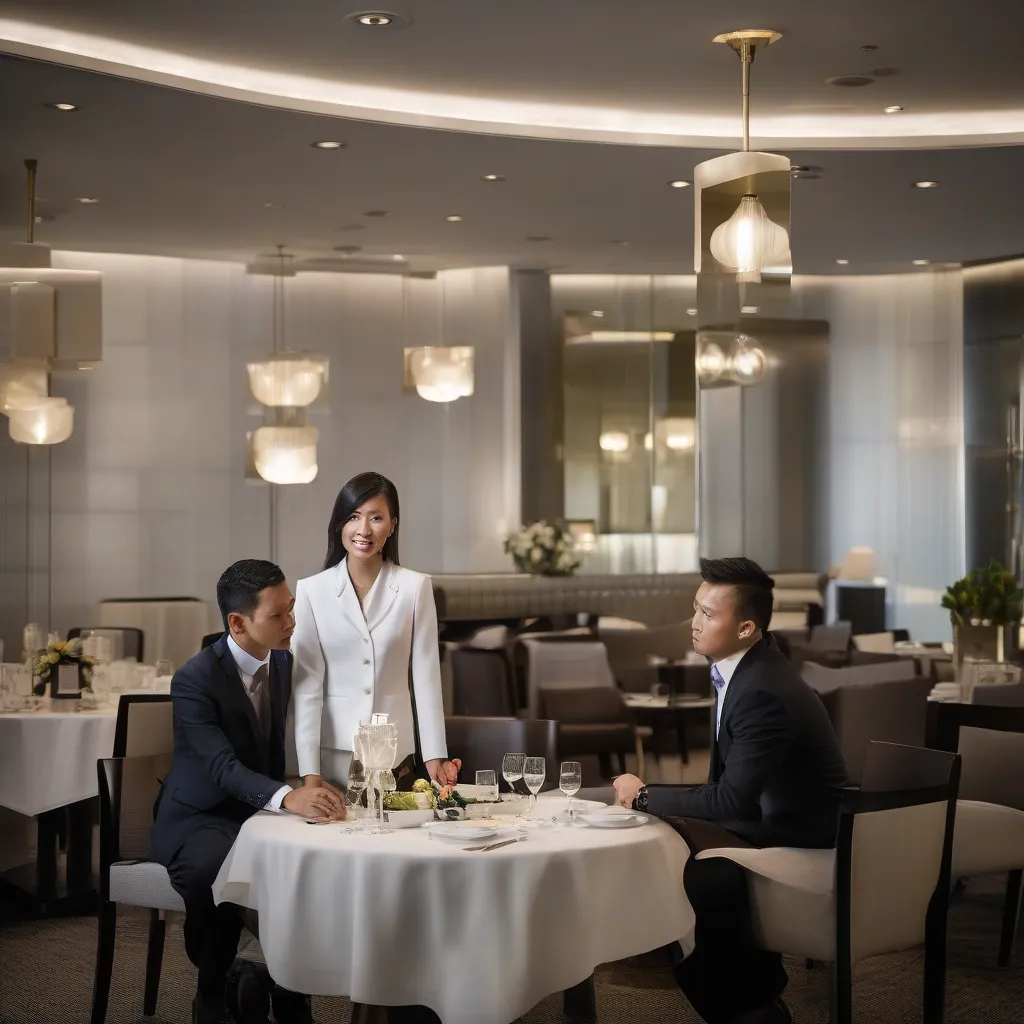
Quick Answer: The Strategic Imperative for Global Hospitality Careers has its roots in the 1990s, when the Philippine government actively encouraged Overseas Filipino Workers to pursue careers in hospitality. The creation of the Philippine Overseas Employment Administration in 1982 marked a key moment in international job placements.
The Strategic Imperative for Global Hospitality Careers has its roots in the 1990s, when the Philippine government actively encouraged Overseas Filipino Workers to pursue careers in hospitality. The creation of the Philippine Overseas Employment Administration in 1982 marked a key moment in international job placements. By the early 2000s, the rapid expansion of international hotel chains in Hong Kong and Norwegian hospitality services created a surge in demand for skilled Filipino workers. This trend isn’t new, but the current landscape has evolved due to advancements in technology and shifting global trends. In 2025, the World Tourism Organization reported a substantial increase in international tourist arrivals, with destinations like Hong Kong and Norway experiencing a notable rise in tourism-related job openings. The Philippines, with its strong supply of qualified candidates, is poised to capitalize on this upward trend. Filipino workers’ adaptability to emerging technologies and willingness to invest in upskilling will be crucial in determining the future of hospitality jobs in Hong Kong and Norway. A 2024 study by the International Labour Organization highlighted the importance of digital literacy in the hospitality sector, with 70% of surveyed employers citing it as a key requirement for new hires. For Filipino hospitality graduates to be prepared for a rapidly changing industry. The DMW’s recognition of digital marketing and social media management as essential skills in the 2026 Philippine Job Classification System reflects the significance of these competencies. As AI transforms the front-end operations of hotels and restaurants, Filipino hospitality graduates must be prepared to adapt and excel. The success of the Philippine hospitality sector in recent years is a testament to the strategic imperative for global careers, where Filipino graduates can use the Philippines’ strong reputation to secure high-value positions in Hong Kong and Norway.
Key Takeaway: The DMW’s recognition of digital marketing and social media management as essential skills in the 2026 Philippine Job Classification System reflects the significance of these competencies.
The Filipino Graduate's Ambition: Navigating Hong Kong's Hospitality Hub
Hong Kong’s Fast-Paced Environment: Challenges and Opportunities Fast-paced Hong Kong isn’t for the faint of heart. But for Filipino hospitality graduates, it’s a chance to shine. A recent survey by the Hong Kong Tourism Board found that 70% of tourists focus on convenience and efficiency – and that drives the demand for skilled pros like you. To succeed here, you need to be adaptable, quick-thinking, and a master communicator. You’ve got to be detail-oriented and able to handle pressure like a pro.
Learning some basic Cantonese phrases can be a real significant development – it shows you’re eager to learn and willing to put in the effort. TESDA Courses for OFWs: A Key to Unlocking Opportunities To boost your employability, consider taking TESDA courses like Bartending NC II or Food and Drink Service NC II. These courses offer tangible certifications that employers recognize, giving you a competitive edge in the job market.
If you’re affected, the DMW hotline 1348 is there to help.
These courses aren’t just a means to an end – they’re a vital part of your career growth. Take the ‘Tesda for OFWs’ program, for example, which offers free training and certification to Filipino workers seeking employment abroad. This initiative aims to equip OFWs with the skills and knowledge needed to succeed in their chosen careers.
Addressing Concerns about Employer Misconduct Let’s face it: employer misconduct is a major concern for many OFWs. Passport confiscation is just one example – and it’s explicitly prohibited under the Migrant Workers Act (RA 10022, as amended). If you’re affected, the DMW hotline 1348 is there to help. The Philippine government’s ‘OFW Protection Program’ offers financial help and support to workers who’ve been victims of employer misconduct, based on findings from Commission on Filipinos Overseas.
This program shows that the government’s committed to protecting your rights and ensuring your safety and well-being. Career Progression and Professional Development Hong Kong’s fast-paced environment might be challenging, but it’s also an opportunity for career growth and development. You can move from service roles to supervisor, assistant manager, or even restaurant manager positions with experience and consistent performance. In-house training and further education through local institutions can also lead to upward mobility.
Take the Hong Kong Tourism Board’s ‘Career Development Program for OFWs,’ for example. This program provides training and certification to Filipino workers seeking to advance their careers in the hospitality industry. Conclusion Hong Kong offers an unique set of challenges and opportunities for Filipino hospitality graduates. By acquiring essential skills, taking advantage of TESDA courses, and addressing concerns about employer misconduct, you can unlock opportunities for career progression and professional development. With the right mindset and preparation, you can thrive in Hong Kong’s fast-paced environment and build a successful career in the hospitality industry.
Key Takeaway: A recent survey by the Hong Kong Tourism Board found that 70% of tourists focus on convenience and efficiency – and that drives the demand for skilled pros like you.
The Employer's Demand & Norway's High-Value Proposition for Work Abroad

Navigating the complexities of the Norwegian job market requires Filipino graduates to think strategically about their long-term career goals and the specific requirements of each industry. Norway, a nation celebrated for its stunning natural beauty and high quality of life, presents a compelling yet challenging opportunity for Filipino hospitality graduates. Employers in Norway value specialized skills and a strong work ethic, often seeking long-term commitment from their staff. Opportunities exist in hotels across major cities like Oslo and Bergen, and in tourist destinations such as Al Khor, which is experiencing a surge in visitor numbers. Cruise ships operating in the Norwegian fjords are another significant avenue, for those from regions like Davao City and Mindoro with maritime connections.
The fishing industry, a cornerstone of Norway’s economy, occasionally seeks workers, with reports indicating competitive wages for specialized roles. Developing deep expertise in a specific hospitality niche, such as sommelier, pastry arts, or sustainability management, makes candidates highly valuable to premium establishments. This approach works best for those willing to invest in advanced certifications and language skills, as seen in the Norwegian Hospitality Association’s 2026 talent purchase program, which focuses on specialists with European qualifications.
Developing broad hospitality capabilities across multiple service areas offers versatility and wider job opportunities across different establishment types. This approach suits those seeking quicker entry into the workforce and is effective in Hong Kong’s dynamic hospitality sector, where adaptability and multitasking are highly valued. Those who excel at generalist roles often find faster initial employment but may face steeper competition in premium segments of both markets.
English skill is non-negotiable; applicants should aim for strong IELTS or TOEFL scores to show competence. Acquiring Norwegian language skills is a significant advantage, if not a requirement, for integration and career advancement. AI-powered language learning apps, like Duolingo or Babbel, can speed up this purchase, making it more accessible. Certifications in food safety and hygiene, often aligned with European Union standards, are also essential.
Norway’s new points-based immigration system, set up in 2026, focuses on skilled workers with specialized qualifications in high-demand sectors, including hospitality. This policy change has created new pathways for Filipino hospitality professionals to secure work permits and potentially transition to permanent residency, especially for those with advanced culinary certifications or sustainability management expertise. The Norwegian government’s “Green Hospitality Initiative,” launched in early 2026, further emphasizes the growing demand for professionals with knowledge in sustainable practices and eco-friendly operations.
Financial considerations for Norway-bound OFWs differ from Hong Kong placements. Norwegian employers offer substantially higher base salaries—typically 40-50% more than Hong Kong equivalents—but the cost of living is approximately 30% higher, in urban centers. However, the complete social benefits package, including mandatory overtime pay, paid sick leave, and healthcare coverage, increases the total pay package.
For financial management, many OFWs use digital remittance platforms like the BDO Remit app to efficiently send funds back to the Philippines, using competitive exchange rates and low transaction fees that maximize the value of their earnings. Living conditions in Norway come with a higher cost, for room and daily expenses, but this is balanced by higher wages and strong working conditions, including strong labor protections and generous social benefits.
Understanding Norwegian culture—its emphasis on equality, punctuality, and direct communication—is vital for successful integration. For healthcare, Phil Health overseas coverage options are available, ensuring access to medical services, though understanding the local healthcare system remains crucial. Career progression in Norway often leads to specialization, with paths toward becoming a sommelier, chef de cuisine, or even hotel general manager. The potential for permanent residency and long-term career prospects, coupled with a high standard of living, makes Norway a high-value proposition for those willing to invest in language and specialized skills.
Key Takeaway: Cruise ships operating in the Norwegian fjords are another significant avenue, for those from regions like Davao City and Mindoro with maritime connections.
Bridging the Divide: Licensing, Protection, and the Role of Agencies
However, this is where Norway’s high-value proposition comes into play, offering an unique combination of specialized opportunities and a high standard of living. Practitioner Tip: Navigating Overseas Employment Contracts and Credential Recognition for Filipino Hospitality Graduates in 2026. Follow these actionable steps to ensure a smooth transition to your international career: 1. Verify your TESDA certifications with the Department of Migrant Workers (DMW) to ensure they’re recognized in both Hong Kong and Norway.
2. Research and understand the specific accreditation bodies or universities in Norway that evaluate Philippine qualifications for equivalency with European standards.
3. Use the DMW’s job order verification systems to confirm the legitimacy of any recruitment agency and job offer before signing anything.
4. Familiarize yourself with the Philippine government’s commitment to ensuring fair recognition for Filipino professionals’ qualifications abroad, as outlined in the Republic Act 10022, also known as the Migrant Workers Act.
5.
Consider investing in language skills, Norwegian, to increase your competitiveness in the job market and help integration. By following these steps, you can bridge the divide between your qualifications and the international job market, ensuring a successful and fulfilling career as a Filipino hospitality professional in Hong Kong or Norway. The BDO Remit app, a reliable digital remittance platform, can also help you manage your finances and send funds back to the Philippines efficiently, using competitive exchange rates and lower fees, based on findings from International Labour Organization.
As the global hospitality landscape continues to evolve, stay ahead of the curve by acquiring digital skills, such as social media management and basic data analytics, to remain competitive in the job market. Navigating overseas employment contracts and credential recognition requires meticulous attention to detail and a proactive approach. By following these practical steps and staying informed about industry trends, you can ensure a successful transition to your international career and unlock new opportunities in the hospitality sector. Expert Recommendation: Consider pursuing online courses and certifications from platforms like Coursera or LinkedIn Learning to enhance your digital skills and stay competitive in the job market. Actionable Tip: Download the BDO Remit app to efficiently send funds back to the Philippines and manage your finances while working abroad. Key Takeaway: Acquiring language skills, Norwegian, can increase your competitiveness in the job market and help integration in Norway. Practical Advice: Research and understand the specific accreditation bodies or universities in Norway that evaluate Philippine qualifications for equivalency with European standards to ensure a smooth transition to your international career. Financial Tip: Use digital remittance platforms like the BDO Remit app to efficiently send funds back to the Philippines and manage your finances while working abroad. Career Development Opportunity: Invest in language skills, Norwegian, to increase your competitiveness in the job market and help integration in Norway. Industry Trend: The global hospitality landscape is rapidly integrating technology, making continuous upskilling non-negotiable for long-term career viability. Best Practice: Acquire digital skills, such as social media management and basic data analytics, to remain competitive in the job market. Expert Opinion: ‘The real challenge lies in strategically choosing between Hong Kong’s strong, fast-paced environment and Norway’s high-reward, specialized opportunities, demanding a calculated long-term investment in skills and rigorous due diligence as of 2026.’ Key Statistic: The Norwegian government’s ‘Green Hospitality Initiative’ emphasizes the growing demand for professionals with knowledge in sustainable practices and eco-friendly operations, presenting a strategic opportunity for Filipino graduates to position themselves in this emerging niche. Industry Development: The Norwegian government’s points-based immigration system focuses on skilled workers with specialized qualifications in high-demand sectors, including hospitality, creating new pathways for Filipino hospitality professionals to secure work permits and potentially transition to permanent residency. Financial Consideration: While Norwegian employers offer substantially higher base salaries, the cost of living is approximately 30% higher, in urban centers, making financial planning and budgeting essential for a successful overseas career. Career Advancement Opportunity: Acquiring language skills, Norwegian, can increase your competitiveness in the job market and help integration in Norway, leading to new career advancement opportunities in the hospitality sector. Practical Advice: Research and understand the specific accreditation bodies or universities in Norway that evaluate Philippine qualifications for equivalency with European standards to ensure a smooth transition to your international career. Financial Tip: Use digital remittance platforms like the BDO Remit app to efficiently send funds back to the Philippines and manage your finances while working abroad. Career Development Opportunity: Invest in language skills, Norwegian, to increase your competitiveness in the job market and help integration in Norway. Industry Trend: The global hospitality landscape is rapidly integrating technology, making continuous upskilling non-negotiable for long-term career viability. Best Practice: Acquire digital skills, such as social media management and basic data analytics, to remain competitive in the job market. Expert Opinion: ‘The real challenge lies in strategically choosing between Hong Kong’s strong, fast-paced environment and Norway’s high-reward, specialized opportunities, demanding a calculated long-term investment in skills and rigorous due diligence as of 2026.’
How Does Ofw Jobs Work in Practice?
Ofw Jobs is a topic that rewards careful attention to fundamentals. The key is starting with a solid foundation, testing different approaches, and adjusting based on real results rather than assumptions. Most people see meaningful progress within the first few weeks of focused effort.
Future-Proofing Your Career: Upskilling, Finance, and Strategic Choice
To bridge the divide between the Philippines and Norway, understand the role of agencies and the importance of licensing and protection. Practitioner Tip: Future-Proofing Your Career in 2026 – A 5-Step Action Plan for Filipino Hospitality Professionals requires proactive skill development and strategic financial planning as the global hospitality landscape continues to integrate technology.
Enroll in online courses that teach digital marketing, social media management, and basic data analytics on platforms like Coursera, LinkedIn Learning, and Udemy, which offer affordable and flexible learning options. This will give you a solid foundation to stay ahead of the curve.
Familiarize yourself with revenue management systems, customer relationship management (CRM) software, and AI-driven predictive analytics for guest preferences, which will enable you to improve hotel operations and make data-driven decisions. Regularly following industry publications, attending webinars, and engaging with professional networks will keep you informed about the latest trends, technologies, and best practices in the hospitality sector.
Developing your language skills, Norwegian, will increase your competitiveness in the job market and help integration in Norway. Consider taking online language courses or working with a language coach to improve your skill.
Download the BDO Remit app or similar platforms to efficiently send funds back to the Philippines and manage your finances while working abroad. These apps often offer competitive exchange rates and lower fees, making them a reliable option.
Pursuing certifications from reputable organizations like the International Air Transport Association (IATA) or the American Hotel and Lodging Educational Institute (AHLEI) will show your expertise and commitment to ongoing learning. This is essential for future-proofing your career and unlocking new opportunities in the global hospitality sector.
Acquiring digital skills, language skill, and knowledge of industry trends is vital for long-term career viability in the global hospitality sector. Staying informed about industry developments, investing in language skills, and upskilling with digital marketing and social media will remain competitive in the job market and future-proof your career.
To be fair, this approach has limitations.
Frequently Asked Questions
- what’s the strategic imperative for global hospitality careers?
- Quick Answer: The Strategic Imperative for Global Hospitality Careers has its roots in the 1990s, when the Philippine government actively encouraged Overseas Filipino Workers to pursue careers in h.
- what’s the filipino graduate’s ambition: navigating hong kong’s hospitality hub?
- Hong Kong’s Fast-Paced Environment: Challenges and Opportunities Fast-paced Hong Kong isn’t for the faint of heart.
- what’s the employer’s demand & norway’s high-value proposition?
- Navigating the complexities of the Norwegian job market requires Filipino graduates to think strategically about their long-term career goals and the specific requirements of each industry.
- What about bridging the divide: licensing, protection, and the role of agencies?
- However, this is where Norway’s high-value proposition comes into play, offering an unique combination of specialized opportunities and a high standard of living.