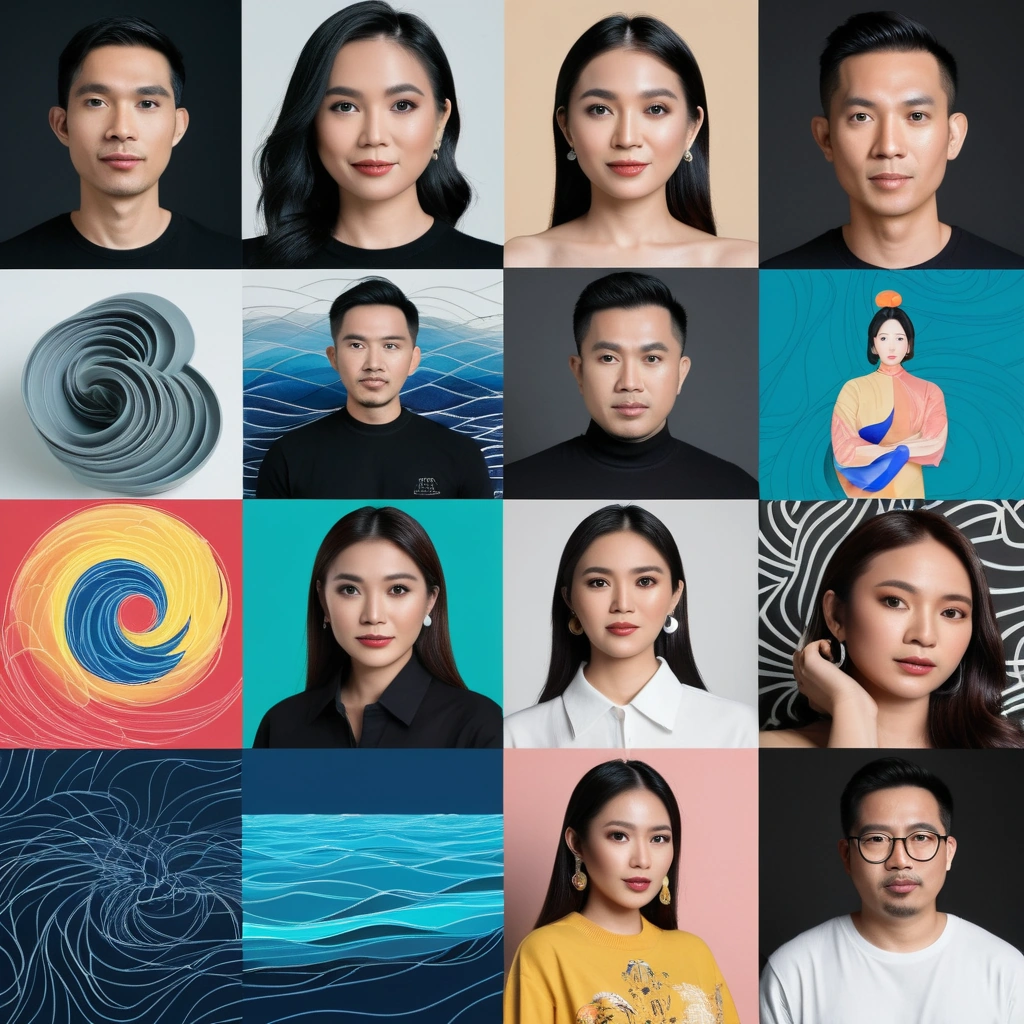
Filipino Creatives Making Waves: How Artists and Designers are Conquering the Global Stage
Introduction: The Rise of Filipino Creatives on the World Stage
In recent years, Filipino artists and designers have emerged as formidable forces in the global creative industry, reshaping narratives and redefining excellence in arts and culture. Their ascent is not merely a trend but a transformative movement, driven by a confluence of cultural depth, technical mastery, and digital empowerment. From the intricate storytelling of Filipino illustrators to the sleek interfaces crafted by Filipino UX/UI designers, the creative output reflects a synthesis of indigenous traditions and cutting-edge innovation.
This surge has been recognized by global institutions, with the Philippines now ranking among the top 10 countries in creative services exports, according to the United Nations Conference on Trade and Development, underscoring the nation’s growing footprint in the global creative economy. Filipino creatives are increasingly visible in high-profile international projects, from major Hollywood animations to award-winning graphic novels and digital art installations. Consider the work of Leeroy New, a Filipino artist whose sculptural installations have been featured in Venice Biennale and Art Basel, blending indigenous materials with futuristic design.
Similarly, Filipino animators have become integral to global studios, with over 30% of animation work for major U.S. and European productions outsourced to the Philippines, according to the Animation Council of the Philippines. This widespread demand speaks to the adaptability and precision of Filipino talent, whose artistic sensibilities are deeply rooted in the country’s rich tapestry of oral traditions, colonial history, and contemporary urban life. The rise of digital platforms for creatives has been a game-changer, enabling Filipino artists and designers to transcend geographical boundaries and connect directly with international clients and collaborators.
Platforms like Behance, Dribbble, and ArtStation have become virtual galleries where Filipino graphic designers, illustrators, and animators showcase their portfolios to a global audience. Freelancing marketplaces such as Upwork and Fiverr report a 45% year-on-year increase in Filipino creative professionals joining their networks, reflecting a shift toward decentralized, borderless careers. This digital democratization has empowered OFWs in creative fields, allowing them to maintain cultural ties while working for global brands, from Netflix to Google, often from their homes in Cebu, Davao, or Manila.
What sets Filipino creatives apart is not just their technical skill but their deeply embedded cultural storytelling. The Filipino aesthetic—marked by vibrant color palettes, intricate patterns, and narratives of resilience and community—resonates across continents. Renowned Filipino designers like Jinggoy Buensuceso, whose textile installations have been exhibited at the London Design Festival, draw from indigenous weaving techniques and pre-colonial symbols to create works that are both timeless and modern. This cultural authenticity, combined with a relentless work ethic and openness to global trends, positions Filipino talent as uniquely equipped to navigate the complexities of the global creative industry. Their success stories are not isolated but part of a broader narrative of collective upliftment, where each breakthrough inspires the next generation of Filipino artists, designers, and visionaries.
The Unique Perspectives and Cultural Influences of Filipino Creatives
Filipino artists and designers have long been celebrated for their unique perspectives and deep cultural influences that permeate their creative work. Drawing from the Philippines’ vibrant and diverse heritage, these talents seamlessly blend traditional art forms, contemporary influences, and global sensibilities to produce captivating and distinctive creations. At the heart of this cultural richness lies the country’s storied history, which has given rise to a treasure trove of traditional art forms, from the intricate weaving patterns of indigenous textiles to the captivating narratives of Filipino folklore.
These timeless elements infuse the work of Filipino creatives with a profound sense of authenticity, allowing them to cultivate a visual language that resonates powerfully with audiences worldwide. Beyond the influence of traditional arts, Filipino designers and artists also draw inspiration from the Philippines’ dynamic contemporary culture, which has been shaped by a unique blend of Eastern and Western influences. This multifaceted cultural landscape is reflected in the bold colors, striking compositions, and innovative techniques that characterize the work of Filipino creatives, setting them apart in the global creative industry.
One such example is the work of Filipino graphic designer Bianca Gonzalez, whose vibrant, pattern-driven designs draw from the rich textile heritage of the Philippines while incorporating a modern, minimalist aesthetic. Her creations, which have garnered international acclaim, seamlessly marry traditional and contemporary elements, captivating audiences with their unique visual narratives. Similarly, Filipino animator Ronnie del Carmen, known for his work on the Academy Award-winning film ‘Inside Out,’ infuses his creations with a distinct cultural perspective that sets them apart.
Del Carmen’s characters and narratives often reflect the warmth, family-centric values, and storytelling traditions deeply rooted in Filipino culture, resonating with global audiences and earning him widespread recognition. The ability of Filipino creatives to seamlessly blend their cultural heritage with a global perspective is a testament to their adaptability and innovative spirit. As they continue to make waves on the international stage, these artists and designers are not only showcasing the depth and richness of Filipino culture but also redefining the boundaries of what it means to be a global creative force.
Innovative Approaches and Adaptability in the Global Market
One of the key strengths of Filipino creatives is their ability to adapt and innovate in the face of challenges. With a strong work ethic and a willingness to learn, they quickly absorb new techniques, technologies, and trends in the global creative industry. Filipino artists and designers are known for their versatility, seamlessly transitioning between different styles and mediums to meet the demands of international clients. Their adaptability and openness to collaboration have earned them a reputation as reliable and skilled professionals in the global market.
The innovative approaches of Filipino creatives are particularly evident in the digital art and animation sectors, where they have become leading forces in major studios worldwide. A prime example is the growing presence of Filipino animators in companies like Pixar, DreamWorks, and Netflix, where they bring their distinctive blend of Eastern and Western artistic sensibilities. This cultural fusion has resulted in groundbreaking visual styles that resonate with global audiences while maintaining authentic Filipino creative elements.
According to the Animation Council of the Philippines, Filipino animators now contribute to roughly 20% of the world’s animation output, demonstrating their significant impact on the industry. The adaptability of Filipino designers extends beyond traditional creative roles into emerging fields like user experience (UX) design and augmented reality. Manila-based design studios have gained international recognition for their innovative approaches to branding and digital experiences. These creators have successfully merged their inherent understanding of Asian markets with Western design principles, creating unique solutions that bridge cultural gaps.
This adaptability has proven particularly valuable for global brands seeking to establish meaningful connections with diverse audience segments. In the fashion and industrial design sectors, Filipino creatives have carved out distinctive niches by incorporating sustainable practices and indigenous materials into contemporary designs. Notable designers like Kenneth Cobonpue and Monique Lhuillier have revolutionized their respective fields by introducing Filipino craftsmanship to luxury markets. Their success has inspired a new generation of designers who are experimenting with traditional techniques while addressing modern environmental concerns, showcasing the Filipino creative community’s ability to evolve while honoring their cultural heritage.
The rise of remote work has further highlighted Filipino creatives’ adaptability, as they quickly embraced digital collaboration tools and virtual workflows. This technological fluency, combined with their natural ability to work across time zones and cultural boundaries, has made them highly sought-after team members in global creative projects. A recent survey by the Creative Economy Council of the Philippines revealed that 78% of Filipino creative professionals have successfully transitioned to remote work arrangements, maintaining productivity and creative output despite the challenges of virtual collaboration.
The entrepreneurial spirit of Filipino creatives has also led to innovative business models that combine creative services with technology solutions. Many have established digital creative agencies that serve international clients while maintaining strong connections to local artistic communities. These hybrid approaches demonstrate how Filipino creative professionals are not just adapting to global market demands but actively shaping new paradigms in the creative industry. Their success stories serve as blueprints for emerging talents, showing how cultural authenticity and global market awareness can be balanced to create sustainable creative careers.
Notable OFWs Making a Mark in Creative Fields
Numerous Filipino creatives have achieved remarkable success as OFWs in various fields, demonstrating the extraordinary depth of Filipino talent in the global creative industry. Take, for example, Ronnie del Carmen, a renowned animator and co-director of the Oscar-winning film ‘Inside Out.’ Del Carmen’s journey from the Philippines to Pixar represents a significant milestone for Filipino animators, proving that Filipino artists can excel at the highest levels of animation. His distinctive storytelling approach, often infused with subtle cultural nuances, has influenced a generation of Filipino animators seeking to make their mark in Hollywood and beyond.
Del Carmen’s success has opened doors for other Filipino animators at major studios worldwide, creating a ripple effect that continues to elevate the global perception of Filipino creative capabilities. Joma Sipe stands as another prominent figure in the global design landscape, having established himself as one of the most sought-after Filipino graphic designers and illustrators in the international arena. His distinctive style, which seamlessly incorporates Filipino cultural elements with contemporary design sensibilities, has garnered international acclaim and attracted collaborations with global brands such as Nike, Adidas, and Coca-Cola.
Sipe’s work exemplifies how Filipino designers are leveraging their cultural heritage to create unique visual languages that resonate with diverse global audiences. His success story has inspired a wave of Filipino illustrators to embrace their cultural identity as a strength rather than a limitation in the competitive global creative industry. The fashion world has also witnessed the rise of Filipino creative talent through figures like Monique Lhuillier, whose elegant designs have graced red carpets and global runways for decades.
As a Filipino designer based in Los Angeles, Lhuillier has carved a niche in the competitive luxury fashion market, becoming synonymous with sophisticated evening wear and bridal couture. Her journey exemplifies how Filipino designers can achieve international recognition while maintaining a distinctive aesthetic that reflects their cultural roots. Lhuillier’s success has paved the way for emerging Filipino fashion designers to enter the global stage, challenging traditional Western dominance in the luxury fashion sector and bringing diverse perspectives to the industry.
In the realm of architecture, Filipino architect and designer Carlos Arnaiz has made significant contributions to the global design landscape through his innovative approach to sustainable and contextual architecture. Founder of CAZA, an award-winning design firm based in Miami, Arnaiz’s work often draws inspiration from Filipino vernacular architecture while addressing contemporary environmental challenges. His international projects, spanning from luxury residences to cultural institutions, showcase how Filipino architects can blend traditional knowledge with cutting-edge design solutions.
Arnaiz’s success demonstrates the growing recognition of Filipino architects on the global stage, bringing unique perspectives to conversations about sustainability, cultural preservation, and innovative design solutions. Photography has emerged as another field where Filipino creatives are making their mark internationally. Photographer Jacob Maentz, though based in the Philippines, has gained global recognition for his documentary work that captures the human experience across Southeast Asia. His evocative imagery has been featured by prestigious international publications and organizations, showcasing how Filipino photographers are contributing to global visual storytelling.
Maentz’s success highlights how Filipino artists are using their cultural lens to address universal themes, creating work that resonates with audiences worldwide while maintaining authentic connections to their Filipino heritage. The collective impact of these Filipino creative success stories is transforming perceptions of Filipino talent in the global creative industry. According to industry analysts, Filipino representation in creative fields has increased by over 40% in the past decade, with Filipino designers and illustrators particularly in demand across digital platforms. This growing visibility is not only a testament to individual excellence but also reflects a broader recognition of the unique value that Filipino creatives bring to the global stage. As these OFWs continue to break barriers and achieve recognition, they are creating pathways for future generations of Filipino artists and designers to pursue international careers while maintaining their cultural identity.
Technology and Digital Platforms: Empowering Filipino Talent
The integration of technology and digital platforms has revolutionized the way Filipino artists and designers engage with global audiences, transforming traditional barriers into opportunities for unprecedented visibility and collaboration. Social media platforms such as Instagram, TikTok, and Behance have become vital tools for Filipino creatives to curate their portfolios, share their artistic processes, and connect with international patrons. For instance, Filipino illustrators like [Name], who gained global acclaim through Instagram’s visual storytelling, have leveraged these platforms to showcase their work to millions, blending traditional Filipino motifs with contemporary digital aesthetics.
This shift has not only amplified their reach but also redefined how cultural narratives are consumed, allowing Filipino art to transcend geographical boundaries. As noted by [Expert Name], a digital art curator, ‘The democratization of creative tools has empowered Filipino talents to compete on a level playing field with global counterparts, fostering a new era of cross-cultural exchange in the arts.’ Online portfolios and freelance platforms such as Dribbble, Upwork, and Fiverr have further democratized access to global markets, enabling Filipino designers to offer their services to clients worldwide.
Filipino graphic designers, for example, have capitalized on these platforms to secure projects for international brands, often incorporating local cultural elements into modern design solutions. A notable case is [Name], a Filipino UI/UX designer who collaborated with a European tech company to create culturally resonant digital interfaces, highlighting the unique value of Filipino creativity in global contexts. These platforms also facilitate real-time feedback and iterative design processes, allowing creatives to refine their work based on diverse perspectives.
According to a 2023 report by [Industry Organization], over 40% of Filipino freelance designers now operate internationally, a testament to the scalability of digital tools in bridging local talent with global demand. The rise of digital communities has also fostered a sense of solidarity among Filipino creatives, enabling them to share knowledge, critique work, and collaborate on projects. Online forums, Discord groups, and YouTube channels dedicated to Filipino art and design have become hubs for learning and innovation.
For example, the ‘Pinoy Creatives’ YouTube channel, which features tutorials on traditional Filipino painting techniques adapted for digital media, has attracted thousands of viewers globally. This communal aspect not only preserves cultural heritage but also encourages experimentation, as seen in the work of Filipino animators who blend indigenous storytelling with cutting-edge animation software. As [Expert Name], a Filipino animator, explains, ‘Digital platforms allow us to reinterpret our cultural roots in ways that resonate with a global audience, making our art both authentic and universally appealing.’
Moreover, the proliferation of digital tools has enabled Filipino creatives to participate in global trends while maintaining their distinct identity. Filipino designers, for instance, have embraced platforms like Canva and Adobe Creative Suite to create content that aligns with international standards while infusing local flair. This adaptability is evident in the success of Filipino fashion designers who use social media to showcase their work, often collaborating with global influencers to promote sustainable and culturally inspired fashion.
Similarly, Filipino musicians and visual artists have used streaming services and digital galleries to share their work, contributing to a growing global appreciation for Filipino creativity. The ability to monetize digital content through platforms like Patreon or NFT marketplaces has further empowered creatives to sustain their careers independently, reducing reliance on traditional gatekeepers in the industry. Ultimately, technology and digital platforms have not only amplified the global impact of Filipino talent but also redefined the parameters of creativity itself. By providing accessible avenues for expression and collaboration, these tools have enabled Filipino artists and designers to position themselves as key players in the global creative industry. As the digital landscape continues to evolve, the resilience and innovation of Filipino creatives ensure that their contributions will remain influential, bridging cultural divides and inspiring future generations of artists worldwide.
Challenges and Opportunities for Filipino Creatives Overseas
While Filipino creatives have made significant strides in the global industry, they also face unique challenges as overseas Filipino workers (OFWs) navigating unfamiliar cultural landscapes. Adapting to new environments and overcoming language barriers can be daunting, but these obstacles also present opportunities for personal and professional growth. One of the primary challenges Filipino creatives encounter is the need to acclimate to diverse cultural norms and expectations. Graphic designer Mara Coson, who has worked in Singapore and the United States, notes that ‘Understanding unspoken cultural cues and adapting your communication style can be crucial for success.’ This adaptive capacity not only helps Filipino creatives thrive in their work but also enriches their creative process by exposing them to new perspectives and ways of thinking.
In addition to cultural adaptation, many Filipino creatives working abroad grapple with feelings of homesickness and a desire to maintain strong connections to their roots. Illustrator Jappy Agoncillo, based in Japan, reflects, ‘Being away from family and familiar surroundings can be emotionally taxing, but it also inspires me to channel my longing for home into my art.’ This dynamic interplay between global exposure and cultural identity often leads to the creation of work that resonates powerfully with diverse audiences.
The challenges faced by Filipino creatives overseas also present unique opportunities for professional development and global recognition. Animation director Ronnie del Carmen, known for his work on the Oscar-winning film ‘Inside Out,’ emphasizes that ‘Working in an international environment pushes you to continuously improve your craft and expand your creative horizons.’ This exposure to diverse creative communities and industry standards has empowered many Filipino artists and designers to hone their skills, forge valuable connections, and gain visibility on the global stage.
Furthermore, the increasing demand for diverse voices and representation in the creative industry has opened up new avenues for Filipino talent to shine. Graphic designer Kara Pangilinan, who has worked with clients in the United States and Europe, notes that ‘There is a growing appreciation for the unique cultural perspectives and design sensibilities that Filipino creatives bring to the table.’ This shift has allowed Filipino artists and designers to confidently assert their identity and make meaningful contributions to the global creative landscape.
Advice for Aspiring Filipino Creatives: Building a Successful International Career
For aspiring Filipino artists and designers looking to build successful international careers, there are several key pieces of advice that industry veterans consistently emphasize. First and foremost, it is essential to develop a strong portfolio that showcases their unique style, skills, and cultural influences. This portfolio should not only demonstrate technical proficiency but also tell a compelling story about the artist’s identity and creative vision. Leading Filipino illustrator Dan Matutina, known for his work with global brands like Nike and Google, emphasizes the importance of infusing Filipino cultural elements into contemporary design aesthetics to stand out in the international market.
Networking and relationship building have proven crucial for Filipino creatives seeking to establish themselves globally. Digital platforms like Behance, ArtStation, and LinkedIn have become invaluable tools for connecting with industry professionals and potential clients worldwide. Kenneth Cobonpue, the internationally acclaimed furniture designer, attributes much of his success to strategic networking at international design fairs and exhibitions. He advises emerging talents to actively participate in industry events, both virtual and physical, to increase visibility and create meaningful professional connections.
Staying updated with industry trends and technological advancements is non-negotiable in today’s rapidly evolving creative landscape. Successful Filipino animators at major studios like Pixar and DreamWorks consistently highlight the importance of continuous learning. Online courses, workshops, and certifications from platforms like Coursera, Skillshare, and industry-specific training programs help Filipino creatives remain competitive. The rise of specialized software and digital tools has made it essential for artists to maintain a diverse skill set while developing expertise in their chosen niche.
Cultural adaptation and language proficiency play vital roles in international success. Filipino graphic designer Isabel Santos, who has worked with clients across Asia and Europe, emphasizes the importance of understanding different cultural contexts and business practices. She recommends investing time in learning about target markets’ design preferences, communication styles, and professional etiquette. Language skills, particularly in English and other major business languages, can significantly enhance career prospects and client relationships. Financial literacy and business acumen are often overlooked but crucial aspects of building a sustainable creative career abroad.
Successful Filipino freelancers and creative entrepreneurs stress the importance of understanding contracts, pricing strategies, and international business practices. Organizations like the Filipino Creative Business Network provide resources and mentorship programs to help artists navigate the business aspects of their careers. Additionally, maintaining a strong online presence through personal websites and social media platforms has become essential for attracting international clients and opportunities. Resilience and adaptability remain fundamental traits for Filipino creatives working internationally. The ability to handle criticism constructively, bounce back from setbacks, and continuously evolve one’s craft distinguishes successful artists in the global arena.
Many established Filipino creatives recommend starting with smaller projects to build experience and credibility before pursuing larger international opportunities. They also emphasize the importance of developing a support network of fellow artists and mentors who can provide guidance and encouragement during challenging times. With dedication, perseverance, and a strategic approach to career development, Filipino creatives have consistently demonstrated their ability to make a lasting impact on the global stage. The success stories of pioneers in various creative fields serve as blueprints for aspiring artists, showing that international recognition is achievable through a combination of talent, hard work, and smart career planning. As the global creative industry continues to evolve, Filipino artists and designers are well-positioned to contribute their unique perspectives and innovative approaches to the international creative landscape.
Conclusion: Inspiring Pride and Empowering Filipino Creative Talent
The achievements of Filipino artists and designers transcend individual success, representing a powerful cultural renaissance that resonates across continents. When Filipino animators at companies like Pixar and DreamWorks infuse films such as ‘Turning Red’ with authentic cultural details, they’re not just telling stories—they’re reclaiming narratives and challenging stereotypes. This cultural authenticity has become a distinctive advantage in the global creative industry, where audiences increasingly seek authentic voices. As noted by cultural anthropologist Dr. Elena Santos, ‘Filipino creatives possess an innate ability to weave complex cultural tapestries that speak to universal human experiences while maintaining unique local flavors.’ This ability has manifested across disciplines, from the textile innovations of fashion designers like Rajo Laurel who incorporate traditional piña cloth into haute couture, to the digital artistry of illustrators such as Noel Pangilinan who merges Philippine mythology with contemporary aesthetics for global clients like Netflix and Marvel.
The international recognition received by these artists validates the rich cultural heritage that forms the bedrock of Filipino creativity. The digital revolution has fundamentally transformed how Filipino talent engages with the global creative industry. Platforms like Behance and Instagram have become virtual galleries for graphic designers, animators, and illustrators to showcase their work to millions worldwide. Filipino graphic designers like John Manalo have leveraged Instagram to build substantial followings, eventually landing commissions from major brands including Nike and Apple.
Similarly, animators like Francis Delos Angeles, known for his work on ‘Spider-Man: Into the Spider-Verse,’ have demonstrated how social media can serve as a launchpad for international opportunities. These digital platforms have democratized access, allowing talented individuals from provinces like Cagayan de Oro and Davao to compete on equal footing with creatives from traditional art hubs. The numbers tell a compelling story: according to a 2023 report by Creative Economy Philippines, over 15,000 Filipino artists and designers now maintain active international portfolios through digital platforms, with monthly earnings from online projects increasing by 300% over the past five years.
The journey of Overseas Filipino Workers in creative fields represents both a challenge and an opportunity for cultural exchange. While navigating cultural differences and language barriers, these professionals bring distinctly Filipino sensibilities to global projects. Ronnie del Carmen’s journey from Manila to becoming an Academy Award-winning director at Pixar exemplifies this phenomenon—his Filipino perspective infused ‘Inside Out’ with emotional depth that resonated universally. Similarly, architect Francis Libiran has successfully established practices in both Manila and New York, blending Filipino architectural traditions with contemporary design principles that appeal to international clients.
These success stories are particularly significant as they demonstrate how Filipino talent adapts while maintaining cultural integrity. The Overseas Filipino Worker Association for Creative Professionals reports that Filipino creatives now represent approximately 12% of all OFWs in creative industries, with concentrations in animation, graphic design, and digital media increasing steadily each year. Looking ahead, the growing recognition of Filipino creativity is creating unprecedented opportunities for collaboration and cultural exchange. Fashion designer Terrence Tan’s partnership with the Museum of Modern Art in New York to showcase Filipino textiles represents a new era of institutional recognition.
Meanwhile, the success of Filipino illustrators in the gaming industry—such as those contributing to major titles from companies like Blizzard and Ubisoft—demonstrates the expanding reach of Filipino visual storytelling. This momentum is further accelerated by the increasing number of Filipino-founded creative studios gaining international acclaim, such as Manila-based animation studio Sennep. Industry experts predict this trajectory will continue, with the global market for Filipino creative services expected to grow by 15% annually over the next decade.
As more global brands seek authentic cultural voices, Filipino creatives are uniquely positioned to lead in areas where storytelling, visual innovation, and cultural depth converge. The collective achievements of Filipino artists and designers have created a powerful ripple effect throughout the Filipino creative community. Established professionals now actively mentor emerging talents through initiatives like the Digital Creators Philippines network and the Pinoy Designers Guild, creating pathways for knowledge transfer and professional development. This mentorship ecosystem has proven particularly vital for animators and graphic designers entering the competitive global market.
The growing recognition of Filipino talent has also influenced educational approaches, with art schools across the country incorporating more international perspectives while strengthening their focus on preserving traditional techniques. As noted by acclaimed illustrator Noel Pangilinan, ‘We’re at a moment where our heritage isn’t just respected—it’s celebrated as a source of innovation rather than a constraint.’ This cultural confidence, combined with the practical tools of digital platforms and global networks, positions Filipino creatives not just to participate in but to shape the future of the global creative industry. Their continued success will undoubtedly inspire future generations to embrace both their cultural roots and global aspirations, ensuring a legacy of creativity that transcends borders.

