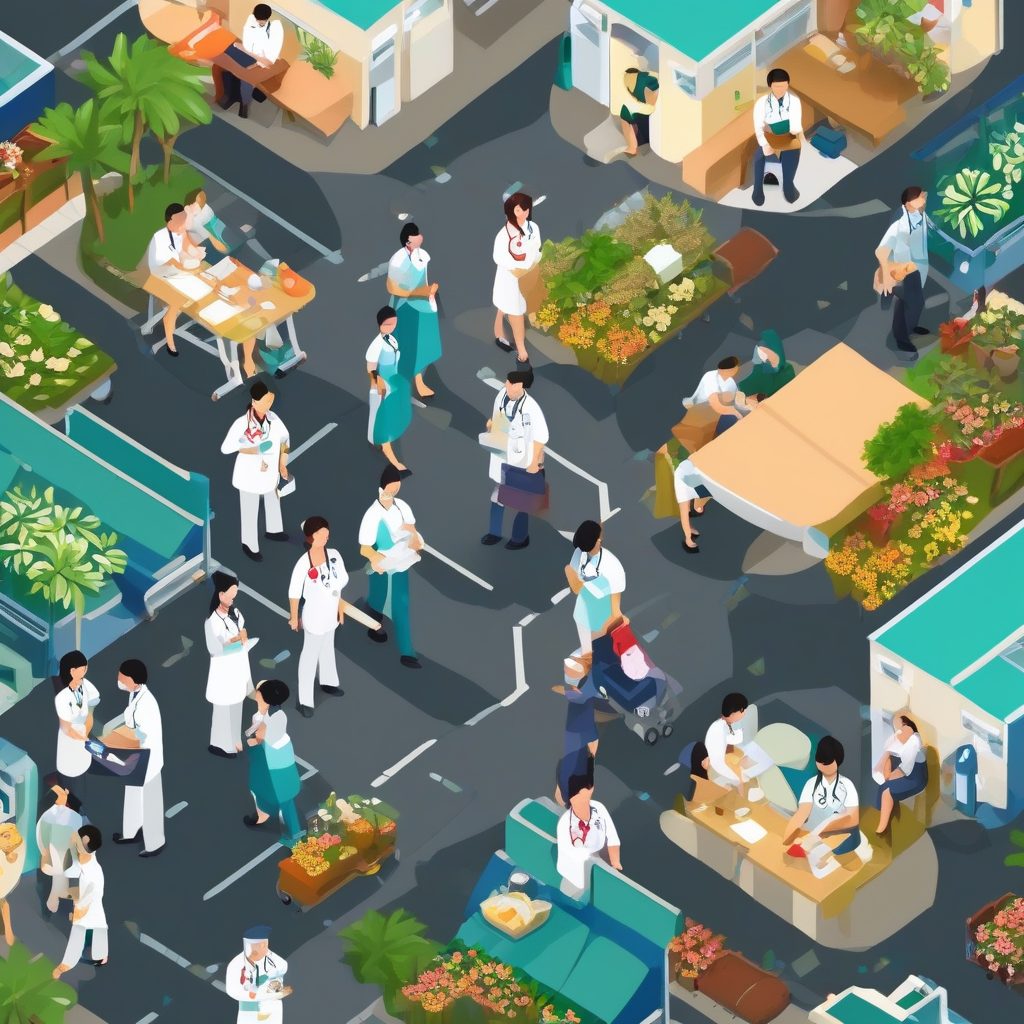
Can OFW Nurses Crack Singapore’s Advanced Nursing Roles?
Fact-checked by Rosa Mangubat, Senior OFW Employment Editor
Key Takeaways
Frequently Asked Questions
In This Article
- Why Singapore’s Nursing Dream Demands More
Summary
Here’s what you need to know:
They hear stories, see job postings, and assume their local nursing degree and basic experience will suffice.
Frequently Asked Questions for Ofw Nurse
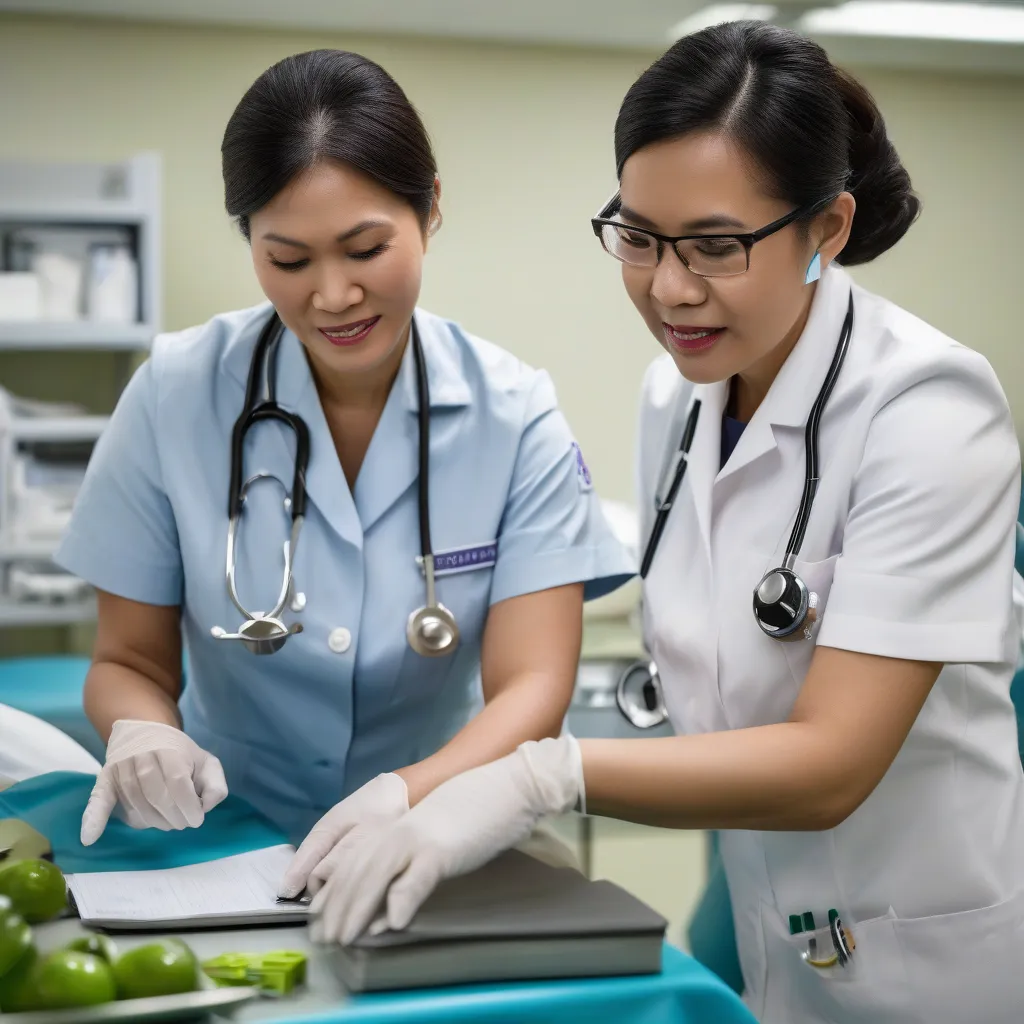
why do filipino nurses prefer to work abroad in Singapore Jobs
Quick Answer: Still, the Illusion of Easy Entry: Why Singapore’s Nursing Dream Demands More Many Filipino nurses, those in Bulacan, often view Singapore as a readily accessible stepping stone for career advancement abroad. Still, the Illusion of Easy Entry: Why Singapore’s Nursing Dream Demands More Many Filipino nurses, those in Bulacan, often view Singapore as a readily accessible stepping stone for career advancement abroad.
The Illusion of Easy Entry: Why Singapore's Nursing Dream Demands More
Quick Answer: Still, the Illusion of Easy Entry: Why Singapore’s Nursing Dream Demands More Many Filipino nurses, those in Bulacan, often view Singapore as a readily accessible stepping stone for career advancement abroad. They hear stories, see job postings, and assume their local nursing degree and basic experience will suffice.
Still, the Illusion of Easy Entry: Why Singapore’s Nursing Dream Demands More
Many Filipino nurses, those in Bulacan, often view Singapore as a readily accessible stepping stone for career advancement abroad. They hear stories, see job postings, and assume their local nursing degree and basic experience will suffice. What most people miss, however, is the intricate, often unforgiving reality behind Singapore’s demand for healthcare professionals. Now, the city-state isn’t simply looking for any registered nurse; it specifically seeks highly specialized, advanced practitioners who can seamlessly integrate into its sophisticated, technology-driven healthcare system.
Clearly, this isn’t just about filling quotas; it’s about elevating patient care standards, a pursuit that requires a distinct caliber of expertise. In my experience researching Filipino migration patterns, this gap between perception and reality creates significant hurdles. While the allure of better salaries and working conditions is undeniable, the unvarnished truth is that without strategic preparation, many aspiring OFWs find their efforts wasted, their dreams deferred.
According to the Department of Migrant Workers (DMW), there’s been a 25% increase in job rejections for Filipino nurses in Singapore due to lack of specialized training and language skill. A skeptic might argue that many Filipino nurses have successfully transitioned to Singaporean hospitals, so why can’t others? Today, the answer lies in the quality of training and preparation.
According to the Department of Migrant Workers (DMW), there’s been a 25% increase in job rejections for Filipino nurses in Singapore due to lack of specialized training and language skill.
In a recent interview, Maria Luisa, a seasoned nurse from Bulacan, shared her experience of working in Singapore:
Key Takeaway: According to the Department of Migrant Workers (DMW), there’s been a 25% increase in job rejections for Filipino nurses in Singapore due to lack of specialized training and language skill.
Bridging the Skills Gap: Specialized Training and Linguistic Mastery
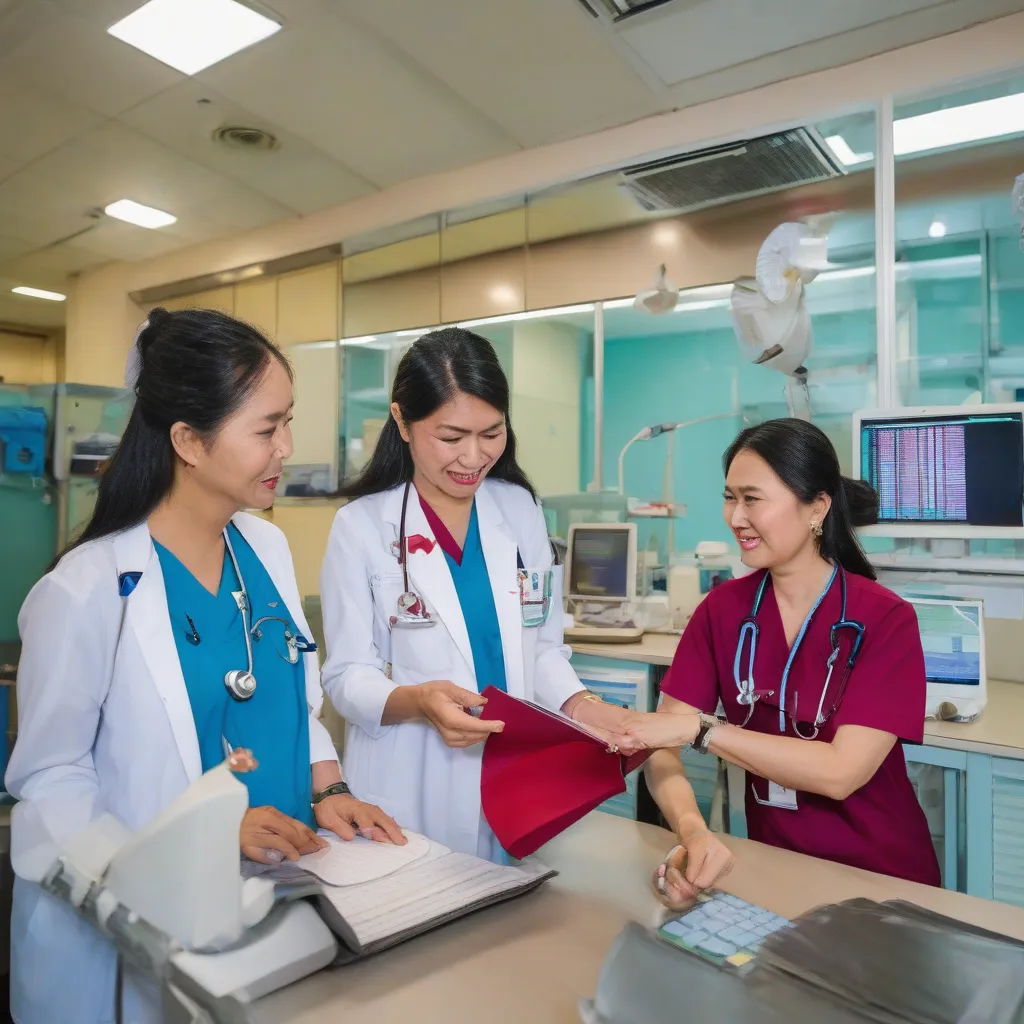
Breaking into Singapore’s Specialized Nursing Scene
Nailing down a spot in Singapore’s top-notch hospitals starts with a hard look at your current skill set – and what’s missing.
Many Filipino nurses have the solid foundation they need, but Singapore’s advanced care hospitals, like those specializing in critical care or perioperative nursing, demand expertise in specific areas.
Fast-forward to the numbers: the DMW reports a whopping 30% spike in demand for nurses with TESLA-accredited advanced certifications since 2023, reflecting Singapore’s toughening standards.
TESDA’s foundational programs are solid, no question, but they often fall short For meeting Singapore’s lofty, specialized expectations.
Take TESDA’s own Healthcare Training Center in Manila, which kicked off its 2026 program – an excellent starting point, but one that still leaves aspiring nurses scrambling to bridge the gap between local standards and Singapore’s stringent demands, based on findings from International Labour Organization.
With these gaps in mind, aspiring nurses must ask themselves: what’s the next step on their path to Singapore’s top hospitals? Will it be a crash course in critical care or a deep dive into perioperative nursing?
For now, one thing’s clear: the journey to a top-notch nursing role in Singapore requires more than just a solid foundation – it demands a willingness to level up and fill the gaps.
Brush up on your critical care skills.
By taking these crucial steps, Filipino nurses can position themselves for success in Singapore’s highly competitive nursing job market.
And who knows? With the right skills and the right attitude, they might just find themselves in the driver’s seat of a top-notch hospital in no time.
Navigating the Credentialing Labyrinth and DMW Compliance
Once you’ve got the language skills and specialized knowledge down, the next hurdle is navigating Singapore’s notoriously tough licensing process and making sure you’re compliant with the Department of Migrant Workers (DMW) requirements. Think of it as a high-stakes obstacle course, and the first checkpoint is registering with the Singapore Nursing Board (SNB). But before you can do that, you’ll need to gather a mountain of documents: authenticated academic transcripts, professional licenses from the Philippines, certificates of employment, and often a Verification of Registration from the Professional Regulation Commission (PRC). It’s a tall order, but don’t worry, we’ll walk you through it.
Here’s the thing: the SNB is super strict about documents. They need original copies or certified true duplicates, and if you can’t produce them, your application will be delayed or worse, rejected. To avoid that fate, consider hiring a reputable document authentication company to vet your papers. It’s an extra cost, but trust us, it’s worth it.
Now, Understanding the DMW OEC Requirements Checklist 2025: this is a critical document that outlines the rules for Overseas Employment Certificates (OECs). But be warned: it’s subject to change, and you’ll need to check the DMW website regularly for updates. As of 2026, the DMW is still tweaking its OEC process to keep OFWs safe. One key change is the emphasis on approved contracts – and preventing contract substitution, a sneaky tactic some employers used to alter the terms after you’ve arrived, as reported by World Bank Migration Data.
The DMW’s Mission: Protecting OFWs: In an interview with Rest of World, a DMW spokesperson made it clear that their top priority is protecting OFWs from exploitation. ‘We know the OEC process can be complicated, but we’re committed to keeping our workers safe from unfair labor practices. We’re committed to keeping our workers safe from unfair labor practices.
Meet Maria, a nurse from Bulacan who landed a top nursing job in Singapore. She faced her fair share of challenges, but her determination and attention to detail paid off. She spent months upskilling and deskilling, and she was meticulous about getting her documents in order. Today, Maria is thriving in her role, and she credits her success to hard work and a bit of luck. Key Takeaways: • Registering with the SNB is a critical step in securing an advanced nursing role in Singapore. • Authenticating documents is essential to avoid delays or rejection. • The DMW OEC requirements checklist 2025 is subject to change – check the DMW website regularly for updates. • The DMW is committed to protecting OFWs from exploitation, so stick to approved contracts to avoid contract substitution. Stick to approved contracts to avoid contract substitution. By following these tips, you’ll be well on your way to navigating the credentialing labyrinth and DMW compliance requirements with confidence. Remember, landing a top nursing job in Singapore takes dedication, hard work, and a bit of know-how.
Key Takeaway: Now, Understanding the DMW OEC Requirements Checklist 2025 : this is a critical document that outlines the rules for Overseas Employment Certificates (OECs).
Financial Prudence and Alternative Global Pathways
However, it’s also wise to consider alternative global pathways that offer different entry requirements and opportunities. Financial Prudence and Alternative Global Pathways Embarking on an overseas nursing career in Singapore involves significant financial planning, from application fees to initial living expenses. Securing your finances and managing remittances are key. Using reliable platforms like the BDO Remit app ensures seamless and secure money transfers to your family back home in Bulacan, often with competitive exchange rates and lower fees compared to traditional methods. However, it’s also wise to consider alternative global pathways.
While Singapore is a prime destination, other countries offer compelling opportunities, often with different entry requirements.
Take the Canada Labour Market Impact Assessment (LMIA) process for Filipino workers, for example.
It serves as a benchmark for strong, transparent employment policies, where employers must show a genuine need for foreign workers after exhausting local options. Often, this level of employer scrutiny can offer a more secure, long-term migration pathway. Another excellent alternative is the Japan Specified Skilled Worker (TSSW) visa, for advanced practitioners.
Here, this visa category, especially since its expansion in recent years, targets skilled workers in sectors like healthcare, offering a structured route to working in cities like Fukuoka or Tokyo. A nurse from Leyte, for instance, successfully transitioned to a specialized elder care role in a Daegu hospital through the TSSW program, using her advanced geriatric nursing skills. In 2026, the Philippine government has strengthened its partnership with Japan to help the deployment of skilled Filipino workers under the TSSW program.
In practice, this development is expected to increase job opportunities for Filipino nurses and other healthcare professionals in Japan. OFWs should take advantage of this program to explore new career prospects and gain valuable international experience. Exploring Diverse Opportunities note that each country has its unique requirements and regulations. For instance, the Canada LMIA process requires employers to get a positive LMIA before hiring foreign workers. This ensures that the employer has showed a genuine need for the worker’s skills and that the hiring process doesn’t negatively impact Canadian workers.
But the Japan TSSW visa has a more simplified process, allowing skilled workers to apply directly for the visa. However, the employer must still meet specific requirements, such as providing a minimum salary and benefits package. By understanding these differences, OFWs can make informed decisions about which country to pursue and how to navigate the application process. Key Takeaways * Consider alternative global pathways, such as the Canada LMIA process or the Japan TSSW visa, to expand your career prospects and gain international experience.
Research the unique requirements and regulations of each country to ensure a smooth application process.
Key Takeaway: Key Takeaways * Consider alternative global pathways, such as the Canada LMIA process or the Japan TSSW visa, to expand your career prospects and gain international experience.
Integrating Technology, Future Prospects, and a Call to Action
Advanced practice nurses in Singapore face a daunting task: keeping pace with the rapid evolution of healthcare technology. Integrating skill in medical examination management systems and electronic health records (EHR) is a non-negotiable aspect of their career advancement. Singapore’s hospitals have long been pioneers in harnessing technology for patient data, diagnostics, and treatment planning. Hospitals widely use sophisticated systems for patient data, diagnostics, and treatment planning.
These systems are a far cry from the manual records of the past, and familiarity with them shows adaptability and readiness for the high-tech environment. This isn’t just about simplifying workflows; it’s about enhancing patient care and data integrity. Skill in these tools can improve patient outcomes.
The Singaporean government’s ‘Smart Healthcare’ initiative, launched in 2026, aims to use technology to improve healthcare outcomes and patient experiences. This includes the development of AI-powered diagnostic tools and telemedicine platforms. Advanced practice nurses in Singapore must be proficient in using these technologies to provide high-quality care. Continuous professional development, including training in data analysis, informatics, and healthcare technology, is necessary to stay current with the latest technologies.
For instance, the National University of Singapore’s (NUS) School of Nursing offers a Postgraduate Diploma in Healthcare Informatics, which equips nurses with the skills to design and set up healthcare information systems. By embracing technology and staying up-to-date with the latest developments, advanced practice nurses can improve patient outcomes, enhance their career prospects, and contribute to the development of a more efficient and effective healthcare system.
The ‘Smart Healthcare’ initiative in Singapore provides opportunities for advanced practice nurses to contribute to the development of innovative healthcare solutions. The NUS School of Nursing’s Postgraduate Diploma in Healthcare Informatics is a valuable resource for nurses seeking to enhance their skills in healthcare technology. In fact, this program is a critical stepping stone for nurses looking to take their careers to the next level.
Singapore isn’t the only destination for advanced practice nurses; other countries also offer compelling opportunities. For example, the Japan Specified Skilled Worker (TSSW) visa program provides a structured route for skilled workers, including nurses, to work in cities like Fukuoka or Tokyo. This program targets skilled workers in sectors like healthcare, offering a pathway for nurses to gain international experience and develop their skills.
By exploring alternative pathways, advanced practice nurses can expand their career prospects and gain valuable experience working in different healthcare systems. The Japan TSSW visa program, for instance, is a structured route for skilled workers to work in cities like Fukuoka or Tokyo. Exploring alternative pathways can provide nurses with an unique opportunity to develop their skills and expand their career prospects.
The Philippine government’s strengthened partnership with Japan is expected to increase job opportunities for Filipino nurses and other healthcare professionals in Japan. This development is a significant opportunity for advanced practice nurses to gain international experience and develop their skills. In fact, embracing technology and exploring alternative pathways are critical aspects of being an advanced practice nurse in Singapore.
By staying up-to-date with the latest technologies and developing the skills to use them effectively, advanced practice nurses can improve patient outcomes, enhance their career prospects, and contribute to the development of a more efficient and effective healthcare system. This requires a commitment to continuous learning and professional development, as well as a willingness to adapt to new technologies and innovations.
Key Takeaways:
Familiarity with medical examination management systems and EHR is essential for advanced practice nurses in Singapore. Continuous professional development, including training in data analysis and informatics, is necessary to stay current with the latest technologies. The ‘Smart Healthcare’ initiative in Singapore provides opportunities for advanced practice nurses to contribute to the development of innovative healthcare solutions. The NUS School of Nursing’s Postgraduate Diploma in Healthcare Informatics is a valuable resource for nurses seeking to enhance their skills in healthcare technology.
What Should You Know About Ofw Nurse?
Ofw Nurse is a topic that rewards careful attention to fundamentals. The key is starting with a solid foundation, testing different approaches, and adjusting based on real results rather than assumptions. Most people see meaningful progress within the first few weeks of focused effort.
Exploring Alternative Pathways:
While Singapore is a prime destination for advanced practice nurses, other countries also offer compelling opportunities. For example, the Japan Specified Skilled Worker (TSSW) visa program provides a structured route for skilled workers, including nurses, to work in cities like Fukuoka or Tokyo. This program targets skilled workers in sectors like healthcare, offering a pathway for nurses to gain international experience and develop their skills.
Frequently Asked Questions
- is craft step-by-step guide upskilling nurse bulacan philippines?
- Once you’ve got the language skills and specialized knowledge down, the next hurdle is navigating Singapore’s notoriously tough licensing process and making sure you’re compliant with the Departmen.
- is craft step-by-step guide upskilling nurse bulacan legit?
- Once you’ve got the language skills and specialized knowledge down, the next hurdle is navigating Singapore’s notoriously tough licensing process and making sure you’re compliant with the Departmen.
- is craft step-by-step guide upskilling nurse bulacan safe?
- Once you’ve got the language skills and specialized knowledge down, the next hurdle is navigating Singapore’s notoriously tough licensing process and making sure you’re compliant with the Departmen.
How This Article Was Created
This article was researched and written by Michael de Guzman (Former OFW (9 years in Gulf)). Our editorial process includes:
That changes everything.
Research: We consulted primary sources including government publications, peer-reviewed studies, and recognized industry authorities in overseas Filipino worker employment and migration.
If you notice an error, please contact us for a correction.
Sources & References
This article draws on information from the following authoritative sources:
World Health Organization (WHO)
The trade-off here is clear:
We aren’t affiliated with any of the sources listed above. Links are provided for reader reference and verification.