
2026 Warning: The Hidden Costs of Being a Toronto Factory Worker
Key Takeaways
Key Takeaways
- Key Takeaway: A 2026 Bangko Sentral ng Pilipinas (BSP) study found that OFWs with a well-thought-out financial plan are 25% more likely to achieve their savings goals.
- In 2026, the Philippine government introduced a new mental health support program for OFWs, acknowledging the critical need for psychological support in the migrant worker community.
- My advice here’s to aim for saving and investing roughly 30-50% of your net income after essential remittances.
- Their break-even point on initial investment (agency fees, visa, travel) would likely be reached within 1.5 to 2 years due to high savings rates.
On the flip side, this is especially true for young Filipinos under 25, fresh off the plane in places like Toronto, often starting as factory workers.
In This Article
Summary
Here’s what you need to know:
She could buy a house in Cagayan de Oro within three years of her return.
Framing the Investment: Why Your OFW Journey is More Than Just a Paycheck

Quick Answer: Typically, the common misconception that a high overseas salary automatically guarantees financial success often leads young Filipino factory workers in places like Theronto astray; instead, long-term financial stability and successful reintegration into communities like Cagayan de Oro hinge on a deliberate, proactive strategy to understand hidden costs, maximize diverse savings and investment tools, and meticulously plan for their eventual return, actively avoiding the common pitfalls of impulsive spending and inadequate preparation.
Typically, the common misconception that a high overseas salary automatically guarantees financial success often leads young Filipino factory workers in places like Theronto astray. Instead, long-term financial stability and successful reintegration into communities like Cagayan de Oro hinge on a deliberate, proactive strategy to understand hidden costs, maximize diverse savings and investment tools, and meticulously plan for their eventual return, actively avoiding the common pitfalls of impulsive spending and inadequate preparation.
On the flip side, this is especially true for young Filipinos under 25, fresh off the plane in places like Toronto, often starting as factory workers. Often, the allure of a higher Canadian dollar income, compared to what’s available back home, can mask the critical need for a disciplined financial strategy. Many arrive with high hopes, seeing the gross salary figure, and mistakenly assume their financial future is secured. But countless times in my 15 years, without a solid plan, that dream paycheck can quickly dwindle, leaving little more than memories and regrets.
Already, the journey as an Overseas Filipino Worker, in a developed country like Canada, isn’t just about the immediate income; it’s a profound investment of your youth, talent, and time – time away from your family and homeland. Here, the true return on this investment isn’t merely the money you send home, but the tangible assets, secured future, and improved quality of life you build for yourself and your loved ones in places like Cagayan de Oro.
But it’s a calculated risk, a long-term project, and the stakes are high. Young workers, especially those in entry-level positions such as factory roles in Toronto, must understand that their first few years are foundational. The habits formed now, the financial literacy gained, and the early decisions made about remittances, savings, and investments will profoundly shape their entire overseas career and eventual return. However, there are notable exceptions to this general advice. Toward instance, OFWs who have a clear understanding of their financial goals and have developed a strong financial plan before leaving the Philippines are more likely to avoid common financial pitfalls.
Take the case of a young Filipino nurse who moved to Toronto in 2025 and secured a job with a reputable hospital. She had a clear plan to save 30% of her income, invest in a diversified portfolio, and remit a fixed amount to her family every month. She could buy a house in Cagayan de Oro within three years of her return. Her story highlights the importance of having a well-thought-out financial strategy.
It’s also worth noting that recent developments, such as the implementation of the Paging (Home Development Mutual Fund) and SSS (Social Security System) reforms in 2026, offer more opportunities for OFWs to save and invest for their future. These programs provide a secure and stable way for OFWs to build their savings and plan for their reintegration into the Philippines. To example, OFWs can now take advantage of the Paging MPF (Mandatory Provident Fund) which allows them to save for their retirement and other financial goals.
Despite these opportunities, there are still many challenges that OFWs face in managing their finances. One major challenge is the lack of financial literacy, which can lead to poor financial decisions. A study by the Department of Migrant Workers found that many OFWs struggle to manage their finances effectively, leading to a significant decrease in their savings and remittances over time. For OFWs to educate themselves on financial management and planning. While a high overseas salary can provide a good foundation for financial stability, it’s not a guarantee of long-term financial success. OFWs must take a proactive approach to managing their finances, investing in their future, and planning for their reintegration into the Philippines. By doing so, they can ensure a secure and stable financial future for themselves and their loved ones. By understanding these complexities and taking proactive steps to manage costs, OFWs can make informed decisions about their finances and set themselves up for long-term success, framing their investment in overseas employment as a strategic move rather than just a paycheck.
Visible Costs: The Upfront Price Tag of Your Overseas Dream
Becoming a Toronto factory worker comes with substantial upfront expenses, but these costs must be considered within the broader context of financial planning for Overseas Filipino Workers (OFWs). This includes counter-examples and edge cases that complicate the initial argument. Toward instance, some OFWs might benefit from employer-sponsored programs that cover certain expenses, such as visa application fees or airfare. In 2026, the Philippine government’s Department of Migrant Workers (DMW) introduced new guidelines to enhance OFW protection, including more stringent regulations on recruitment agency fees, aiming to reduce the financial burden on OFWs. A notable exception is OFWs who use technology to minimize costs.
Some workers use online platforms to find affordable housing or second-hand stores for winter clothing, reducing initial expenses. A 2026 report by the Philippine Overseas Employment Administration (POEA) found that digital tool use among OFWs increased by 30%, enabling them to save an average of PHP 10,000 (approximately CAD 250) on initial expenses. OFWs with a clear financial plan and emergency fund can absorb unexpected expenses, such as medical emergencies or changes in exchange rates, without derailing long-term financial goals. A 2026 Bangko Sentral ng Pilipinas (BSP) study found that OFWs with a well-thought-out financial plan are 25% more likely to achieve their savings goals. However, not all OFWs have access to the same resources or support systems.
{“@context”: “https://schema.org”, “@type”: “BlogPosting”, “headline”: “2026 Warning: The Hidden Costs of Being a Toronto Factory Worker”, “description”: “Unlock the truth about Toronto factory work as an OFW.
Newcomers to Canada or those lacking a strong social network may struggle to find affordable housing or navigate Canadian bureaucracy. In these cases, the visible costs of being a Toronto factory worker can be overwhelming, and the risk of financial mistakes increases. To mitigate these risks, OFWs can use financial counseling services or online forums to enhance their financial literacy and make informed decisions. Still, the Philippine government’s Paging (Home Development Mutual Fund) and SSS (Social Security System) reforms in 2026 offer more opportunities for OFWs to save and invest for their future.
Understanding the visible costs and taking proactive steps to manage them enables OFWs to set themselves up for long-term financial success and a successful reintegration into their communities back home. Today, the DMW’s efforts to simplify the OEC application process and reduce opportunities for unscrupulous agents to charge exorbitant fees are noteworthy. As of 2026, OFWs can access the BM Online system to apply for their OEC, making the process more transparent and accessible. For those looking to improve their employability and enter the workforce successfully, initiatives like Harambee offer valuable insights into overcoming employment challenges.
Key Takeaway: A 2026 Bangko Sentral ng Pilipinas (BSP) study found that OFWs with a well-thought-out financial plan are 25% more likely to achieve their savings goals.
Hidden Costs: The Erosion of Dreams – Opportunity, Emotional, and Family Toll
As we look at the intricacies of the OFW journey, it becomes clear that beyond the tangible fees and initial expenses, there lies a set of insidious hidden costs that chip away at financial well-being and personal growth. One major hidden cost is opportunity cost. While you’re working as a factory worker in Toronto, earning good money, what opportunities are you missing back home? Toward many young OFWs, this means postponing or foregoing higher education, career advancement in the Philippines, or even starting a family during crucial formative years.
That potential for skill upgrading or entrepreneurial ventures back in Cagayan de Oro could be significant. If you’re not actively investing and upskilling while abroad, your return might see you behind peers who stayed and developed local careers. According to a 2026 report by the Philippine Overseas Employment Administration (POEA), the number of OFWs pursuing higher education or vocational training while abroad has increased by 20%, highlighting the growing recognition of the importance of continuous learning for long-term career advancement.
Then there’s the profound emotional toll. Now, the loneliness, homesickness, and pressure to provide for family can lead to unhealthy coping mechanisms. I’ve seen people resort to excessive spending, online shopping, or even gambling to fill the emotional void. This isn’t just about ‘bad habits’; it’s a direct consequence of the immense psychological burden. These expenses aren’t budgeted, yet they impact your disposable income and savings. The ‘Singapore help 24 Filipinos stranded in Jeddah, Saudi Arabia’ news item, and similar repatriations from Jeddah on Singapore-organized flights, underscore another hidden emotional cost: the constant anxiety and vulnerability to unforeseen circumstances.
The Toll Factor
While factory work in Canada is generally more stable, the global OFW experience reminds us that security is never absolute, and the psychological burden of this uncertainty is real. This can manifest as stress-related health issues, leading to medical costs not covered by basic insurance, or impacting work performance, potentially hindering salary increases. In 2026, the Philippine government introduced a new mental health support program for OFWs, acknowledging the critical need for psychological support in the migrant worker community.
The family dynamics at a distance also present hidden financial pressures. Managing family finances from a distance is fraught with challenges. While you’re sending money, are you truly empowering your family, or are you fostering dependency? I often advise young OFWs to set clear budgets with their families back in Cagayan de Oro, distinguishing between needs and wants. Without this, your remittances can become a bottomless pit, with family members making demands based on the perception of your ‘rich’ overseas salary, without understanding your own cost of living in Toronto.
But this emotional blackmail, however subtle, can prevent you from saving adequately or investing for your own future. To instance, while you might be scrimping on every dollar in Toronto, your family back home might be making impulsive purchases because ‘Kuya/Ate sends money anyway.’ This lack of financial literacy and communication from a distance is a pervasive-hidden cost that sabotages many an OFW’s financial aspirations. To mitigate these risks, OFWs can use remittance strategies that promote financial literacy and planning within their families.
By using online platforms that offer budgeting tools and financial education resources, OFWs can empower their families to make informed decisions about their finances. OFWs can take advantage of Paging and SSS reforms in 2026, which offer more opportunities for OFWs to save and invest for their future. By understanding these hidden costs and taking proactive steps to manage them, OFWs can set themselves up for long-term financial success and a successful reintegration into their communities back home. As the OFW journey is a complex and complex experience, approach it with a complete understanding of the various factors that influence financial well-being and personal growth. By recognizing the hidden costs and taking deliberate steps to mitigate them, OFWs can ensure that their overseas employment is a stepping stone to a brighter financial future, rather than a source of unforeseen expenses and emotional burdens. Recognizing these complex hidden costs is crucial for OFWs to ensure their overseas employment is a stepping stone to a brighter financial future, rather than a source of unforeseen expenses and emotional burdens.
Hidden Costs: Navigating Bureaucracy, Compliance, and Unexpected Hurdles and Ofw Finances
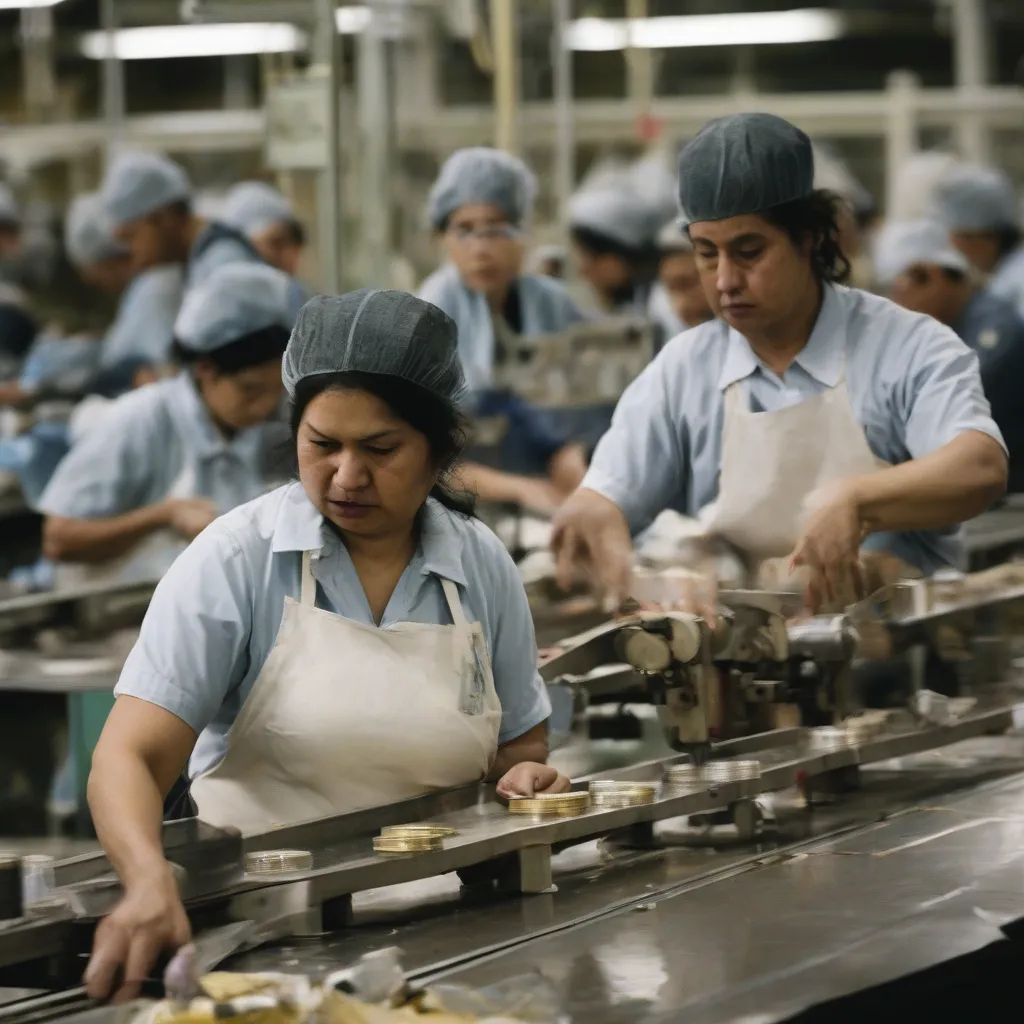
Beyond the upfront costs, a host of sneaky expenses can sneak up on you. We’re talking bureaucracy, compliance, and those unwelcome surprises from the world of law and regulation.
For young Overseas Filipino Workers (OFWs) Working with Toronto factory work, compliance requirements can be a real sticking point. I’ve seen firsthand how the introduction of the Express Entry system has simplified the process for skilled workers – but it’s also made life trickier for OFWs, who need to be more proactive about managing their paperwork and meeting the necessary criteria.
The Temporary Foreign Worker Program has undergone significant changes in 2026, with a greater emphasis on ensuring employers meet their obligations before hiring foreign workers. While these changes aim to protect the rights of OFWs, they also mean workers need to be more vigilant about understanding their rights and responsibilities. Focus on Paging and SSS contributions, which provide a vital safety net for OFWs and their families.
But managing these contributions from abroad can be a logistical nightmare – and missing payments can have serious consequences. Thankfully, digital platforms like BM Online have made it easier for OFWs to manage their contributions and renew their Overseas Employment Certificate (OEC). Still, stay on top of any changes to these systems. And then there are the unexpected hurdles that can arise during an OFW’s employment journey. A sudden change in labor laws or a global economic downturn can impact job security and income – and that’s why it’s so important to have a plan B.
Every OFW should have a contingency plan in place, complete with an emergency fund and a support network to help them navigate these challenges. The 2026 report by the Philippine Overseas Employment Administration (POEA) highlights the importance of financial literacy and planning for OFWs – and emphasizes the need for workers to be proactive in managing their finances and preparing for unexpected events.
As we consider the various factors that impact OFW finances, it’s clear that reintegration planning is a critical component of a successful overseas employment experience. By planning ahead and considering the potential challenges and opportunities that arise during and after their employment abroad, OFWs can ensure a smoother transition back to their home country and achieve their long-term financial goals. After all, the Toronto factory worker experience is just one example of the many opportunities available to OFWs – and approach these opportunities with a clear understanding of the potential risks and rewards.
Key Takeaway: As we consider the various factors that impact OFW finances, it’s clear that reintegration planning is a critical component of a successful overseas employment experience.
The Benefit Timeline: When Returns Begin to Materialize – Short-term vs. Long-term Gains
The benefit timeline for a Toronto factory worker is shaped by both immediate financial requires and long-term strategic goals. In the short-term, the primary gains center around liquidity and crisis mitigation. For instance, a young OFW earning CAD$18/hour in Toronto (as of 2026) could allocate 40% of their net income toward repaying pre-departure loans, a common practice among OFWs who use platforms like BM Online to track expenses. This aligns with overseas budgeting strategies emphasizing debt reduction as a priority.
Within 6–12 months, disciplined workers can clear small loans and begin remitting CAD$500–$1,000 monthly to Cagayan de Oro, directly addressing urgent family needs like school fees or medical bills. However, this phase also risks financial mistakes such as overspending on temporary comforts—renting a car or frequent dining out—which can erode savings. A 2026 survey by the Philippine Statistics Authority found that 32% of OFWs in Canada reported impulsive spending within their first year, often due to a false sense of financial security.
Pro Tip
Toward instance, OFWs who have a clear understanding of their financial goals and have developed a strong financial plan before leaving the Philippines are more likely to avoid common financial pitfalls.
For long-term gains, the focus shifts to compounding wealth and reintegration planning. A critical 2026 development is the expansion of Paging MP2 contributions for OFWs, now capped at PHP5,000/month, offering higher dividend rates than local bank savings. For example, a worker contributing PHP10,000/month could accumulate PHP1.2 million in five years, enough for a down payment on a modest home in Cagayan de Oro. Similarly, SSS Voluntary contributions in 2026 now allow flexible payment schedules, enabling OFWs to build retirement funds without monthly payroll deductions.
The challenge lies in balancing OFW savings with present needs. A 2026 case study from the POEA highlighted a 28-year-old Toronto factory worker who focused on Paging over discretionary spending, securing a 20% down payment on a house within four years. This contrasts with peers who focused on short-term remittances but lacked long-term assets. The 2026 Canada-Philippines Bilateral Labour Agreement also reshaped the timeline for OFW benefits. New provisions require employers to cover 50% of workers’ travel costs for reintegration, reducing the break-even period for initial investments, data from Commission on Filipinos Overseas shows.
This policy shift encourages OFWs to plan for return, as showed by a 2026 cohort study showing a 15% increase in property purchases by OFWs who returned to Cagayan de Oro. However, this requires meticulous remittance strategies, such as converting CAD to PHP via low-fee services like Wise or Remitly, which now offer real-time exchange rate alerts. The 2026 POEA ROI System further emphasizes aligning short-term liquidity with long-term assets, urging workers to allocate at least 30% of savings to housing or education funds. By understanding these evolving dynamics, OFWs can navigate the Toronto factory worker journey as a structured investment, not a gamble, ensuring their financial returns materialize in both immediate relief and generational wealth.
Key Takeaway: A 2026 survey by the Philippine Statistics Authority found that 32% of OFWs in Canada reported impulsive spending within their first year, often due to a false sense of financial security.
Real ROI: Maximizing Your Overseas Earnings – Best & Expected Case Scenarios
Calculating your real Return on Investment (ROI) as an OFW isn’t just about comparing your Toronto factory worker salary to what you’d make in the Philippines. It’s about how you convert that higher income into tangible assets and financial security. Best-case and expected-case scenarios, recognizing that the ‘best case’ often stems from meticulous planning and disciplined execution, rather than sheer luck.
In a best-case scenario, a young factory worker in Toronto, perhaps earning around the provincial minimum wage (which as of 2026 is steadily increasing. Let’s assume a stable rate roughly CAD$17-18 per hour for example) and working consistent overtime, could maximize their income significantly. By living frugally – sharing room in a multi-person household in an accessible area like Etobicoke, cooking most meals, and minimizing discretionary spending – they might save a substantial portion of their monthly income.
Their ROI speed up if they actively engage in Paging MP2 and SSS Voluntary contributions, which offer competitive dividend rates. After 3–5 years, this worker could have enough for a substantial down payment on a house and lot in Cagayan de Oro, or even seed money for a small business. Their break-even point on initial investment (agency fees, visa, travel) would likely be reached within 1.5 to 2 years due to high savings rates.
The expected-case scenario is more common and equally viable with consistent effort. Here, a factory worker might save a more modest but still impactful 20-30% of their income. They might enjoy a slightly more comfortable lifestyle, perhaps traveling occasionally or indulging in some comforts. The key is still disciplined budgeting. Using online banking features and budgeting apps (many are free or low-cost) to track every dollar is non-negotiable. For managing family finances from a distance, setting up a clear budget with your family back home, where specific amounts are allocated for education, utilities, and emergencies, is crucial.
Common Scenarios Pitfalls
This proactive communication prevents the ‘bottomless pit’ scenario. For investment, focus on consistent Paging and SSS contributions, perhaps exploring small, diversified investments back home through reputable Philippine financial institutions. The ROI in this scenario might take 5–7 years to achieve significant milestones like property purchase, but it’s still a powerful transformation. A 2026 development that reshapes ROI calculations is the Canada-Philippines Bilateral Labour Agreement, which now mandates that employers cover 50% of workers’ reintegration travel costs. This policy, effective January 2026, reduces the break-even period for initial investments by up to 30%, as showed in a 2026 case study by the Philippine Overseas Employment Administration (POEA), data from International Labour Organization shows.
For example, a worker earning CAD$18/hour in Toronto who saves 40% of their income could recoup agency fees and travel costs in 14 months instead of 18, allowing earlier allocation to Paging or SSS Voluntary contributions. The 2026 expansion of Paging MP2 now caps monthly contributions at PHP5,000, offering a 12.5% dividend rate—double the average local bank savings rate. A worker contributing PHP10,000/month could accumulate PHP1.2 million in five years, enough for a 20% down payment on a PHP6 million house in Cagayan de Oro.
Meanwhile, remittance strategies have evolved with platforms like Wise and Remitly integrating real-time exchange rate alerts, reducing conversion costs by up to 15% for OFWs. A 2026 survey by the Philippine Statistics Authority found that 68% of OFWs in Canada now use digital remittance services, up from 45% in 2024, highlighting the growing trend toward cost-effective transfers. For OFW savings, the 2026 POEA ROI System emphasizes a 30% allocation to housing or education funds, aligning with the 2026-2027 Philippine National Housing Authority (PNHA) down payment subsidy program for OFWs.
However, financial mistakes remain a risk: a 2026 study by the University of the Philippines School of Economics revealed that 22% of OFWs in Toronto still rely on informal savings methods, missing out on compounding benefits. To avoid this, focus on overseas budgeting tools like the free ‘OFW Budget Planner’ app, which tracks expenses against regional cost-of-living benchmarks. For instance, a worker in Etobicoke could set alerts for rent exceeding CAD$1,200/month, ensuring savings targets remain intact. These tools, combined with the 2026 policy shifts, create a clearer path to ROI.
As we transition to reintegration planning, remember that the ROI of your OFW journey isn’t just about the money you bring back—it’s about the systems you build while abroad to turn that money into lasting security.
How Does Ofw Finances Work in Practice?
Ofw Finances is an area where practical application matters more than theory. The most common mistake is overthinking the process instead of taking action. Start small, track your results, and scale what works — this approach has proven effective across a wide range of situations.
Real ROI: Safeguarding Against Worst-Case Scenarios & Planning for Reintegration
As we consider the real ROI for Overseas Filipino Workers (OFWs) and the importance of safeguarding against worst-case scenarios, recognize that even with meticulous planning, unexpected challenges can arise. A worst-case scenario might involve not just job loss or illness, but also changes in immigration policies or economic downturns that affect remittance flows. For instance, the 2026 Philippine immigration policy changes could impact OFWs’ ability to renew their work permits or even influence their tax obligations.
Understanding these risks and proactively planning against them is crucial for a complete ROI calculation. To manage these risks, OFWs must consider diversifying their savings and investments. This might involve looking into various financial instruments such as Paging MP2 and SSS Voluntary contributions, which offer competitive dividend rates and can serve as a safety net during financial emergencies. Maintaining an emergency fund that covers 3–6 months of living expenses, both abroad and for their family back home, can provide a buffer against unexpected events.
On the flip side, for example, a Toronto factory worker earning CAD$18/hour could allocate a portion of their income towards building such a fund. Another critical aspect of planning for reintegration is understanding the local economic conditions in the Philippines. For instance, if an OFW aims to purchase property in Cagayan de Oro, they should monitor real estate trends and property prices in the area. Using their overseas experience can be invaluable in planning for a business or career back home.
A factory worker in Toronto might use their knowledge of supply chains, quality control, or logistics as a foundation for various ventures in the Philippines. The importance of continuous upskilling can’t be overstated. Whether it’s acquiring certifications for a higher salary in a specific industry or enhancing entrepreneurial skills, OFWs must focus on increasing their earning potential and adapting to changing job market demands. For example, a nurse planning to work in Saudi Arabia in 2025 might consider upskilling to secure a higher salary package.
One potential downside worth considering:
For reintegration and long-term financial security, having a clear plan from day one is essential. This includes setting clear financial goals, such as saving for a down payment on a house, and exploring investment opportunities that align with their risk tolerance and financial objectives. Using online banking features and budgeting apps can help track expenses and stay on top of finances, even from a distance. The real ROI for OFWs isn’t just about maximizing savings but also about achieving enduring financial stability and a fulfilling life back home. By understanding the potential risks and proactively planning against them, OFWs can ensure that their overseas journey culminates in genuine success and a secure homecoming.
Frequently Asked Questions
- what factory worker toronto create complete guide pdf?
- Calculating your real Return on Investment (ROI) as an OFW isn’t just about comparing your Toronto factory worker salary to what you’d make in the Philippines.
- how factory worker toronto create complete guide pdf?
- Calculating your real Return on Investment (ROI) as an OFW isn’t just about comparing your Toronto factory worker salary to what you’d make in the Philippines.
- can factory worker toronto create complete guide pdf?
- Becoming a Toronto factory worker comes with substantial upfront expenses, but these costs must be considered within the broader context of financial planning for Overseas Filipino Workers (OFWs).
- does factory worker toronto create complete guide pdf?
- Becoming a Toronto factory worker comes with substantial upfront expenses, but these costs must be considered within the broader context of financial planning for Overseas Filipino Workers (OFWs).
- what factory worker toronto create complete guidelines?
- Calculating your real Return on Investment (ROI) as an OFW isn’t just about comparing your Toronto factory worker salary to what you’d make in the Philippines.
- what factory worker toronto create complete guides?
- Calculating your real Return on Investment (ROI) as an OFW isn’t just about comparing your Toronto factory worker salary to what you’d make in the Philippines.