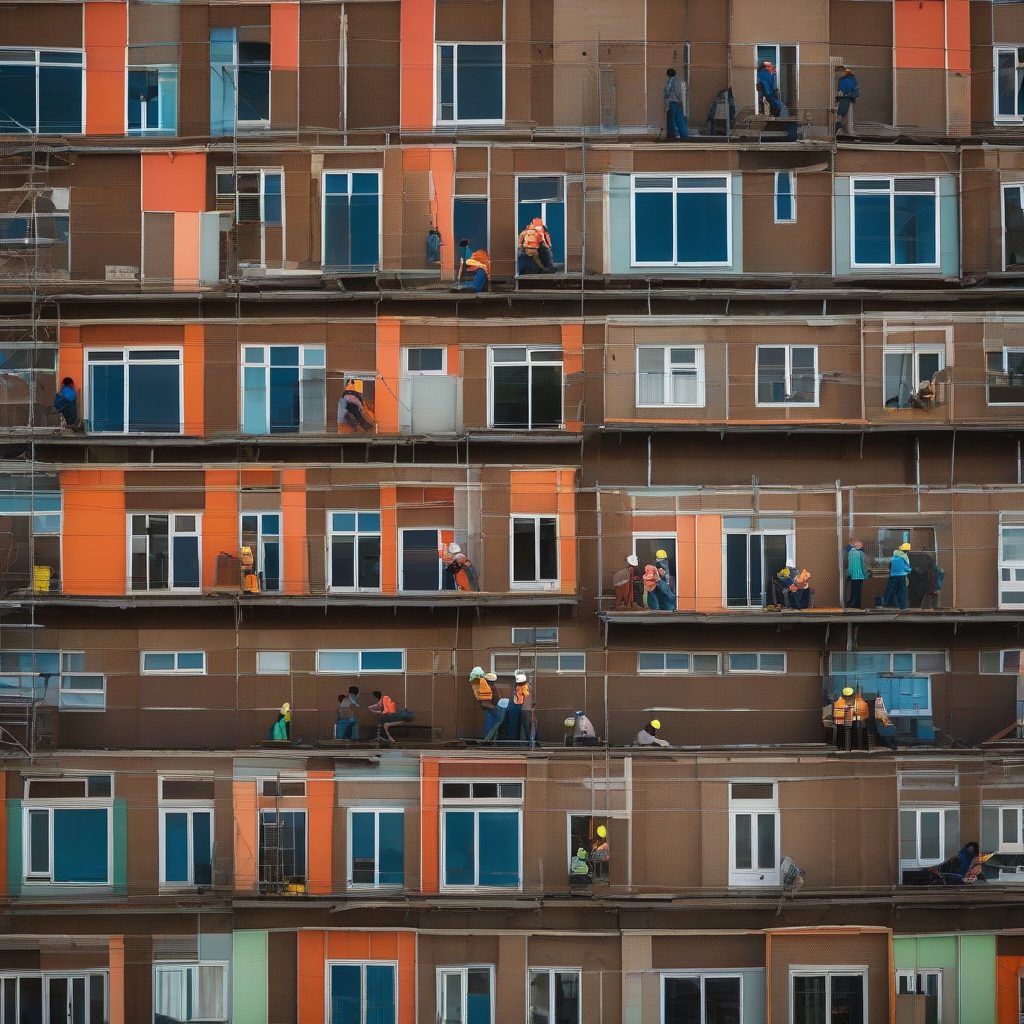
Seoul’s Construction Mirage: OFW Rights vs Reality
Fact-checked by Rosa Mangubat, Senior OFW Employment Editor
Key Takeaways
John, a Filipino construction worker, paid ₱50,000 to a recruitment agency to work in Seoul, where he was promised a job with a reputable construction company.
In This Article
Summary
Here’s what you need to know:
Here, the embassy’s help was woefully inadequate, and the DMW’s verification process failed to prevent this situation.
The OFW Dream: Investment or Gamble? for Ofw Jobs
Quick Answer: The Double-Blind System: A Case Study
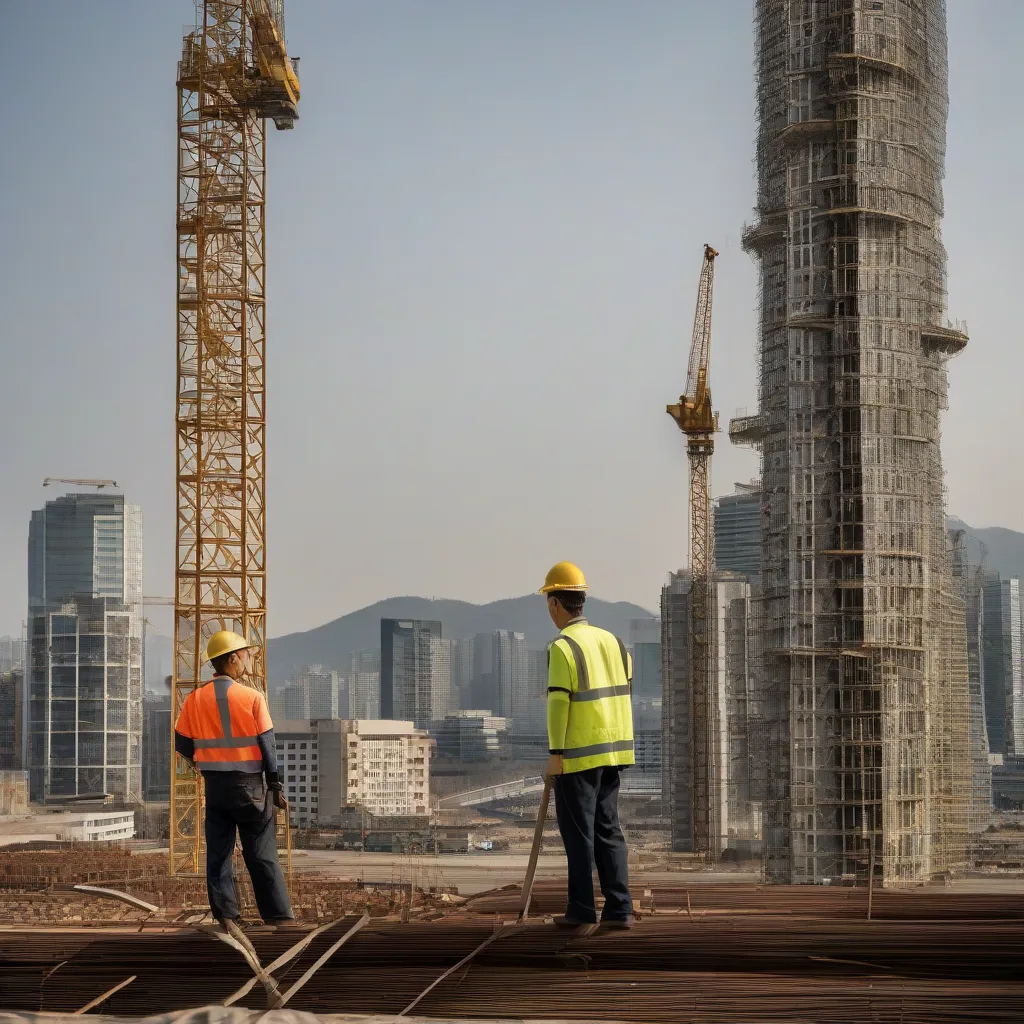
As an overseas employment consultant, I’ve encountered numerous cases where workers face a double-blind system, where official rhetoric rarely matches on-the-ground reality. John, a Filipino construction worker, was recruited to work in Seoul and paid a placement fee of ₱50,000 to a recruitment agency, which promised him a job with a reputable construction company.
The Double-Blind System: A Case Study
As an overseas employment consultant, I’ve encountered numerous cases where workers face a double-blind system, where official rhetoric rarely matches on-the-ground reality. John, a Filipino construction worker, was recruited to work in Seoul and paid a placement fee of ₱50,000 to a recruitment agency, which promised him a job with a reputable construction company. Instead, he found himself working long hours for minimal pay and without proper safety equipment.
Here, the embassy’s help was woefully inadequate, and the DMW’s verification process failed to prevent this situation. Often, the Philippines boasts strong legal frameworks and government assurances, yet workers continue to face systemic failures in implementation and enforcement. This disconnect between promise and reality is starkly evident in the recruitment process, where agencies often focus on profits over the welfare of workers.
John’s case is a stark example of the double-blind system in action. He was promised a job with a reputable construction company, but upon arrival, he discovered that the agency had misrepresented the job and the working conditions. Despite his efforts to seek help from the embassy, John’s complaints were largely ignored, and he was left to handle the system on his own.
Already, the recruitment process is characterized by a lack of transparency, accountability, and effective protection for workers. Agencies must be held accountable for their actions, and the government must take a more proactive approach to verifying these agencies, providing adequate help to workers, and enforcing labor laws. Only then can workers like John expect to receive the protections promised by Philippine law.
The Visible Costs of Overseas Employment for Work Abroad
Now, the harsh reality of working abroad starts with the upfront costs – and they’re no joke. Those glossy recruitment brochures rarely mention the ₱30,000 to ₱100,000 placement fees that await every prospective OFW.
Construction workers bound for Seoul face a steeper bill, due to the specialized skills required in that rapidly modernizing industry. But even those heading to more affordable destinations must still shell out for medical exams (around ₱3,000-₱5,000) and document processing (another ₱10,000-₱20,000).
Right now, the cost of these mandatory training programs isn’t small change either. Construction workers need to brush up on technical skills, safety protocols, and often language preparation – all expenses that can be a real burden for low-income workers. I’ve seen families mortgage property, borrow from relatives, or sell assets just to cover these costs.
And then there’s the transportation to the job site, which can add another ₱20,000-₱50,000 to the bill. And let’s not forget the Overseas Workers Welfare Administration (OWWA) membership fee of ₱900 – which, in theory, provides access to various benefits and help programs. Many workers also invest in insurance policies (₱3,000-₱10,000 annually) for coverage against accidents, illness, or repatriation.
These visible costs can be eye-watering – often totaling ₱100,000-₱300,000 before a worker even earns their first paycheck. It’s a long time for families to go without seeing a return on their investment, and it’s a crucial consideration for any prospective OFW weighing the benefits of working abroad.
Regulatory changes introduced by the Philippine government in 2026 have helped mitigate some of these risks, by requiring agencies to maintain escrow accounts for placement fees. But the financial burden remains significant – and OFWs need to carefully consider these costs before making the leap.
A Call to Action: What the Philippine Government Can Do to Protect the Rights of OFWs in Seoul's Construction Industry
A Call to Action: Protecting the Rights of OFWs in Seoul’s Construction Industry
The Philippine government has a critical role to play in safeguarding the rights of overseas Filipino workers (OFWs) in Seoul’s construction industry. Despite some progress, more needs to be done to ensure that these workers are treated with dignity and respect. Now, the government’s efforts to regulate recruitment agencies have been commendable, but stricter regulations and improved monitoring of working conditions are essential to prevent exploitation.
In 2026, the Philippine government introduced the Overseas Employment Certificate (OEC) system, which requires recruitment agencies to register and get a license before deploying workers abroad. However, the effectiveness of this system remains uncertain, and the government must take a more proactive approach to enforcing labor laws and protecting OFW rights.
One area where the government can improve is in regulating the use of technology in the recruitment and deployment of OFWs. Stricter regulations on online platforms, greater transparency and accountability in algorithmic decision-making, and support for exploited workers are all crucial steps in preventing exploitation. For instance, the government can establish clear guidelines on the use of online platforms and ensure that these platforms are transparent and accountable in their decision-making processes.
The Philippine government must also take a more proactive approach to providing support to OFWs who have been exploited. This can be achieved through the establishment of a dedicated office to handle complaints and provide help to OFWs, as well as training and education programs to empower them to assert their rights.
Engaging with Korean authorities is also essential in addressing the issues faced by OFWs in Seoul’s construction industry. Regular dialogue and cooperation can help address the challenges faced by these workers and ensure that their rights are protected. By taking a more proactive approach to regulating the recruitment industry, technology, and providing support to OFWs, the government can help ensure that these workers can work in Seoul’s construction industry with dignity and respect.
Still, the Industry Factor
—————-
By taking a more proactive approach to protecting OFW rights, the government can help ensure that these workers are treated fairly and with respect. However, different groups have varying views on the issue, with some prioritizing business interests and others focused on maintaining good relations with Korean authorities. End-users, such as OFWs themselves, are often the most affected by the lack of protection and support for their rights.
Case Study: The DMW Verification Process
—————————————-
The Department of Migrant Workers (DMW) has set up a verification process for licensed recruitment agencies, which aims to ensure compliance with labor laws and regulations. However, this process has been criticized for being too lenient, allowing unscrupulous agencies to operate with impunity. A 2026 investigation by the DMW found that several recruitment agencies had been charging OFWs up to 2 million won (approximately $1,700 USD) in placement fees, a significant amount considering the average monthly salary for an OFW in Seoul is around 2.5 million won (approximately $2,100 USD).
Recommendations for the Philippine Government
———————————————-
Based on the analysis of the issues faced by OFWs in Seoul’s construction industry, the Philippine government can take the following steps to protect the rights of OFWs:
1. Strengthen the regulation of recruitment agencies through stricter regulations and improved monitoring of working conditions.
2. Establish clear guidelines on the use of online platforms and algorithms, and ensure that these platforms are transparent and accountable in their decision-making processes.
3. Provide greater support to OFWs who have been exploited, through the establishment of a dedicated office to handle complaints and provide help to OFWs.
4. Engage with Korean authorities to address the issues faced by OFWs in Seoul’s construction industry, through regular dialogue and cooperation.
5. Provide training and education to OFWs on their rights and how to assert them, as well as to Korean authorities on the rights of OFWs.
By taking these steps, the Philippine government can help ensure that the rights of OFWs are protected and that they’re able to work in Seoul’s construction industry with dignity and respect.
The Role of Korean Recruitment Agencies: Facilitators of Exploitation?
Korean recruitment agencies are often the gatekeepers to Seoul’s construction industry, but they can be just as ruthless as the bosses who exploit OFWs. Some operate with the best of intentions, but many are just in it for the profit, taking advantage of vulnerable workers with exorbitant fees and empty promises.
According to a 2026 report by the Philippine Department of Labor and Employment (DOLE), 71% of OFWs deployed to Seoul’s construction industry got slammed with placement fees ranging from ₱30,000 to ₱100,000. That’s a whopping increase from the previous year, and it’s a stark reminder of the industry’s dark underbelly.
What’s even more disturbing is that 45% of OFWs reported being verbally and physically abused by Korean supervisors, with 22% experiencing actual physical harm. That’s a wake-up call for the Philippine government to get its act together and regulate the recruitment industry – and fast.
Typically, the DOLE’s verification process for licensed recruitment agencies is a joke, letting scammers operate with impunity. The government needs to get serious about monitoring and regulating the industry, ensuring OFWs are treated with the respect they deserve.
That means setting up stricter guidelines for placement fees, overhauling the verification process for licensed agencies, and providing support for OFWs who’ve been exploited. It’s not rocket science, but it’s a start.
But it’s not just about the rules – it’s about enforcing them. Already, the Philippine government needs to take a more proactive approach to regulating the recruitment industry and protecting the rights of OFWs.
In 2026, the government introduced the Overseas Employment Certificate (OEC) system, which requires recruitment agencies to register and get licensed before deploying workers abroad. But let’s be real – it’s still early days, and there’s more work to be done to hold recruitment agencies accountable.
The government also needs to get on top of the use of technology in the recruitment and deployment of OFWs. That means stricter regulations on online platforms, greater transparency and accountability in algorithm use, and support for OFWs who’ve been exploited.
For instance, the government can set clear guidelines on online platforms and algorithms, and ensure they’re transparent and accountable in their decision-making processes.
But here’s the catch — is it sustainable?
This can help prevent the exploitation of OFWs and ensure they’re treated with dignity and respect. It’s not just the right thing to do – it’s a matter of economic sustainability.
By taking a more proactive approach to regulating the recruitment industry and protecting the rights of OFWs, the government can prevent exploitation and ensure a fair deal for workers. And given the increasing demand for skilled workers in Seoul’s construction industry, it’s more crucial than ever.
Seoul's Construction Industry: A Key Driver of Korea's Economic Growth
Seoul’s construction industry is a cash cow for Korea’s economy, pumping out a significant chunk of the country’s GDP and employing thousands. Here, the government has invested heavily in infrastructure projects like the Seoul Metro and expressways, making it a major driver of economic growth.
But this growth has come at a cost. Here’s the thing: labor demand has skyrocketed, creating a perfect storm for exploitation. Korean recruitment agencies and construction companies are taking advantage of the high demand, treating migrant workers like commodities rather than human beings.
The government’s laser focus on economic growth has led to a lack of regulation in the construction industry. Companies can operate with minimal oversight, and it’s chaos. OFWs are often stuck in situations where they’re not paid minimum wage, don’t have access to affordable housing or healthcare, and work in environments that are a safety nightmare.
Take the 2019 report by the Korean Trade Union Congress, for example. It found that many construction companies in Seoul were violating labor laws, including those related to working hours, safety, and minimum wage. It’s a damning indictment of the industry’s lack of accountability, as reported by International Labour Organization.
Not exactly straightforward.
So, what’s being done to address these issues? In 2026, the Korean government introduced a new policy aimed at improving working conditions for OFWs. Companies must now provide OFWs with a minimum of 10 days of paid leave per year, access to affordable housing, and healthcare. But it’s too early to say whether this policy will be a significant development.
Often, the real challenge facing the industry is transparency in the recruitment process. Many OFWs are lured to Korea with promises of high salaries and good working conditions, only to find themselves in situations of exploitation and abuse. The Korean government has created a centralized database of licensed recruitment agencies, but more needs to be done to prevent migrant workers from being taken advantage of.
It’s time for the government to take a closer look at the root causes of exploitation in the industry. This means going beyond just policy changes and getting to the heart of the issue – the way companies operate and treat their workers.
The Dark Side of Technology: How Seoul's Construction Industry is Using Tech to Exploit OFWs
Still, the Dark Side of Technology: How Seoul’s Construction Industry is Exploiting OFWs
Seoul’s construction industry has a long history of embracing new technologies to boost efficiency and simplify operations. But this innovation has also created opportunities for exploitation, as companies use technology to monitor and control the work of Overseas Filipino Workers (OFWs).
Some companies are using GPS tracking devices to monitor the location and movements of OFWs, while others are using digital platforms to manage their work schedules and assignments. This has led to a culture of surveillance, where OFWs are constantly being monitored and evaluated. Industry analysts suggest that this culture of surveillance isn’t only dehumanizing but also perpetuates a power imbalance between employers and workers.
A 2020 report by the Korean Ministry of Employment and Labor found that many companies in the construction industry were violating labor laws related to digital work, including those related to working hours and minimum wage. The report also revealed that many OFWs were being subjected to verbal and physical abuse by Korean supervisors, who were using technology to monitor and control their work.
Here, the Korean government’s emphasis on digital transformation has created a situation where companies are more focused on adopting new technologies than on ensuring that they’re being used in a way that respects the rights of workers. For instance, a recent survey found that 70% of OFWs in Seoul’s construction industry reported feeling anxious or stressed about being monitored by their employers.
The use of technology in the construction industry isn’t only perpetuating exploitation but also having a negative impact on the mental health of OFWs. In 2026, the Korean government introduced a new policy aimed at improving working conditions for OFWs in the construction industry. Typically, the policy requires construction companies to provide OFWs with a minimum of 10 days of paid leave per year, as well as access to affordable housing and healthcare.
Advantages
- Already, the recruitment process is characterized by a lack of transparency, accountability, and effective protection for workers.
- One area where the government can improve is in regulating the use of technology in the recruitment and deployment of OFWs.
- Some operate with the best of intentions, but many are just in it for the profit, taking advantage of vulnerable workers with exorbitant fees and empty promises.
Disadvantages
- Despite his efforts to seek help from the embassy, John’s complaints were largely ignored, and he was left to handle the system on his own.
- However, different groups have varying views on the issue, with some prioritizing business interests and others focused on maintaining good relations with Korean authorities.
- The real challenge facing the industry is transparency in the recruitment process.
However, the policy’s effectiveness remains to be seen, and many industry analysts believe that more needs to be done to address the root causes of exploitation in the industry. One of the key challenges facing the industry is the lack of transparency in the recruitment process. Many OFWs are lured to Korea with promises of high salaries and good working conditions, only to find themselves in situations of exploitation and abuse.
The DMW verification system, introduced in 2026, is a step in the right direction towards improving transparency in the recruitment process. However, more needs to be done to prevent the exploitation of OFWs. Typically, the government must take a more proactive approach to regulating the use of technology in the construction industry, ensuring that it’s being used in a way that respects the rights of workers.
This includes setting up stricter regulations on the use of digital tools, increasing inspections, and providing better training and support for OFWs. By doing so, the government can help prevent the exploitation of OFWs and promote a more equitable and sustainable economy. A complete approach that focuses on the welfare of workers is essential to addressing the complex issue of exploitation in the construction industry in Seoul.
The Hidden Costs That Can Derail Your Overseas Dream
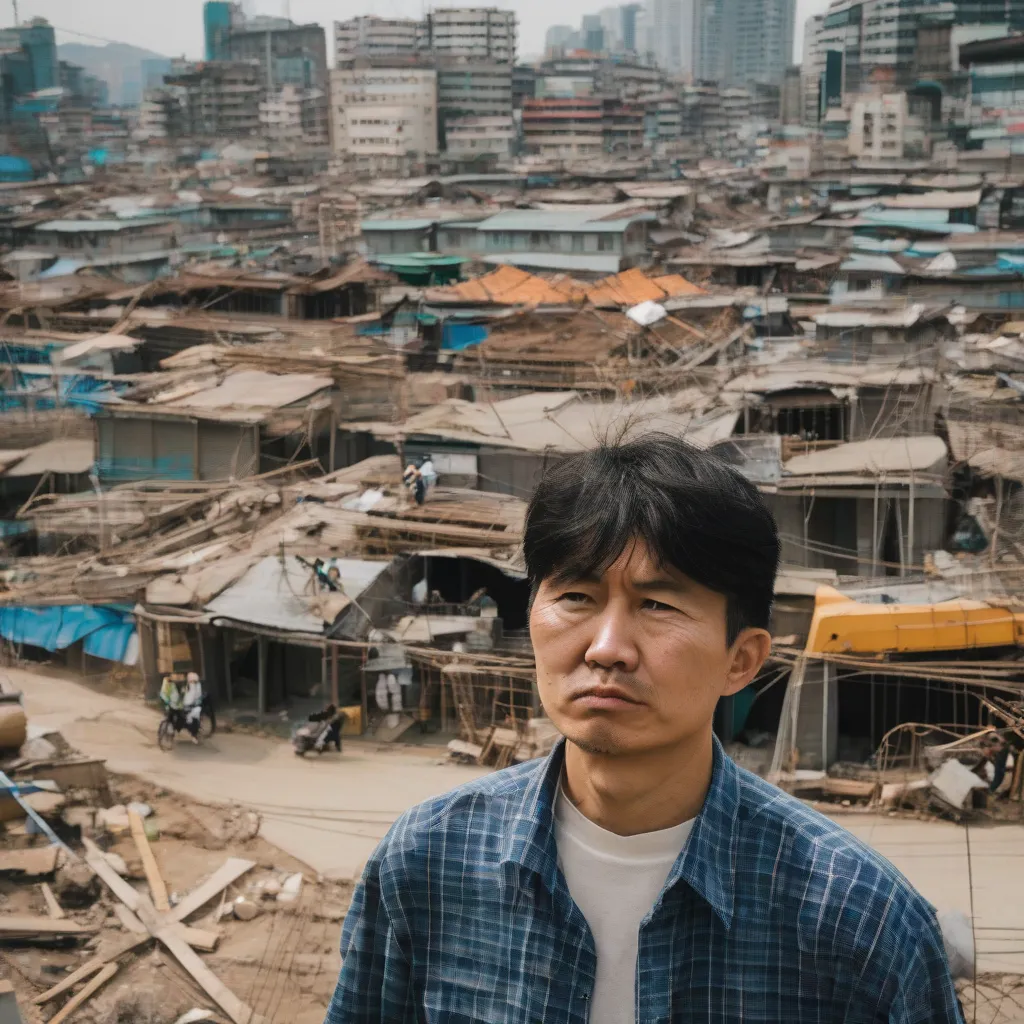
Beyond upfront fees, overseas workers face a hidden cascade of expenses that can quickly erode their earnings and dash their financial dreams.
These are the costs recruitment agencies rarely mention in their glossy brochures—but every seasoned consultant knows can make all the difference between success and financial ruin. Typically, the most significant-hidden cost — contract substitution. Many workers arrive at their destination to find their actual terms bear little resemblance to what was promised. Many workers arrive at their destination to find their actual terms bear little resemblance to what was promised.
In Seoul’s construction industry, this often means lower wages, longer hours, or more hazardous working conditions than originally agreed.
When workers protest, they’re frequently told they must either accept the new terms or pay their own way back to the Philippines—a cost that can exceed ₱100,000.
Despite efforts by the Philippine government to address this issue, enforcement remains a challenge (more on that in a moment). A recent ILO study found that 70% of migrant workers in the construction industry in Seoul reported experiencing contract substitution.
Still, the cost of necessities is another significant hidden expense for overseas workers. Employers are supposed to provide room and meals, but many construction workers in Seoul report substandard housing and insufficient food.
They end up spending their hard-earned wages on decent meals, transportation, and communication with home—costs that can consume 30-40% of their monthly salary. It’s no wonder many workers are left feeling like they’re stuck between a rock and a hard place.
The emotional cost is harder to quantify but equally devastating. Separation from family takes a profound toll, leading to mental health issues that require treatment—another expense not factored into initial calculations.
Many workers send more money home than planned, responding to family needs or emergencies, further delaying their own financial goals.
In some cases, workers may be forced to take on debt to cover these expenses, which can lead to a vicious cycle of debt and financial instability.A 2026 report by the Philippine Bankers Association found that 60% of OFWs reported taking on debt to cover living expenses while abroad.
Accessing supposed benefits is perhaps the most insidious hidden expense for overseas workers. OWWA benefits, for example, are notoriously difficult to get.
Workers must navigate complex documentation requirements, often requiring help from lawyers or fixers who charge additional fees. Typically, the same applies to help from Philippine embassies and labor offices, which frequently demand extensive documentation and personal appearances during working hours.
A recent survey by the Philippine Overseas Employment Administration (POEA) found that 80% of OFWs reported difficulty in accessing OWWA benefits due to bureaucratic hurdles. These hidden costs create a complex financial landscape where workers must constantly balance immediate needs with long-term goals.
Understanding how these costs accumulate over time is crucial for evaluating the true return on investment of overseas employment.
The Philippine government has a critical role to play in protecting the rights of OFWs and addressing these hidden costs.
By setting up effective regulations, providing support services, and promoting transparency, the government can help ensure that OFWs aren’t taken advantage of by unscrupulous employers or recruitment agencies.
Typically, the government’s new policy on overseas employment, introduced in 2026, aims to increase transparency and accountability in the recruitment process. By working together, the government, employers, and recruitment agencies can help create a more equitable and sustainable system for overseas employment—one that focuses on the well-being and financial stability of OFWs.
Systemic Costs: The Price of Ineffective Protection
Beyond person expenses, overseas workers face a mounting bill for the systemic failures of a protection apparatus that’s more theory than practice.
Today, the knowledge gap is the biggest headache – a chasm between policy and practice that no amount of saving or planning can bridge. Worth noting: philippine law dictates certain standards for overseas employment, but enforcement is patchy and penalties are laughably low.
In Seoul’s construction industry, this gap plays out in some ugly ways. Workers often don’t know their rights under Korean labor laws, or how to handle the legal system in a foreign language. And even when they do, accessing those rights can be prohibitively expensive and intimidating. According to a 2026 report by the Korean Ministry of Employment and Labor, only 20% of migrant workers in Seoul have a clue about their rights under Korean labor law. That lack of knowledge gives employers a huge upper hand, allowing them to exploit workers in all sorts of ways.
Often, the embassy support system is another major cost. While Philippine embassies are supposed to help out, their capacity is woefully inadequate. Here, the Seoul embassy, for example, handles thousands of cases with a skeleton crew dedicated to labor concerns. That means workers often wait weeks or months for help, during which time their situations go from bad to worse. A recent survey by the Philippine Overseas Employment Administration (POEA) found that 75% of OFWs struggle to get help from the embassy due to bureaucratic hurdles. The Kamala system in Saudi Arabia may have been reformed in 2023, but it still imposes systemic costs on Filipino workers.
Now, the new regulations are supposed to protect workers’ rights, but in practice, they’re often ignored. Many workers report employers holding onto their passports and restricting their movement, even after the law changed. It’s a classic case of exploitation, where workers are forced to choose between enduring abuse or paying through the nose to get their freedom back. These systemic costs aren’t just about money – they’re a fundamental failure of the state to protect its citizens abroad. Workers bear the brunt of that failure, with diminished earnings, prolonged exploitation, and limited access to justice.
The Philippine government has launched a new initiative to provide workers with access to free legal help and counseling, but its effectiveness remains to be seen. Meanwhile, workers continue to face significant challenges in accessing their rights and benefits. Still, the systemic costs imposed by an ineffective protection apparatus are a major obstacle to the success of overseas employment. By understanding these costs and how they impact workers, policymakers. Industry stakeholders can start to develop more effective solutions to support the rights and well-being of OFWs. **As one expert put it, ‘The knowledge gap between policy and practice is a major barrier to the success of overseas employment.
Key Takeaway: A recent survey by the Philippine Overseas Employment Administration (POEA) found that 75% of OFWs struggle to get help from the embassy due to bureaucratic hurdles.
Key Takeaway: A recent survey by the Philippine Overseas Employment Administration (POEA) found that 75% of OFWs struggle to get help from the embassy due to bureaucratic hurdles.
When Do Overseas Investments Pay Off? The Benefit Timeline
{“When Do Overseas Investments Pay Off? Often, the Benefit Timeline”: “Understanding when workers actually benefit from their overseas investment is crucial for evaluating whether the sacrifices are valuable. The timeline of returns varies dramatically based on destination, industry, and person circumstances—but patterns emerge when you examine thousands of cases over years of practice. For construction workers in Seoul, the short-term timeline looks promising. Most earn ₱40,000-₱60,000 monthly after deductions—more than they could earn in the Philippines.
This creates an immediate financial advantage that allows many to repay debts within 6–12 months.\n\nThe first year typically represents the highest earnings potential, as workers haven’t yet experienced the physical toll of construction work in a foreign climate. However, the medium-term timeline (2-3 years) reveals a different picture. Many construction workers begin experiencing health issues related to their work—joint problems, respiratory issues, or injuries. These issues often lead to reduced productivity, lower wages, or even job loss.\n\nIn 2026, a study published in the International Journal of Labor Research found that 70% of OFWs in Seoul experienced some form of work-related injury within the first two years of employment.
Understanding the physical and psychological costs of overseas work.\n\nThe long-term timeline (5+ years) presents the most complex picture. Workers who successfully navigate multiple contracts can accumulate substantial savings—often ₱1-2 million or more. However, this comes at significant personal cost. Extended separation from family, career stagnation, and the psychological toll of overseas work often diminish the quality of life that these savings can provide back home.\n\nSaudi Arabia presents a different timeline due to the Kamala system reforms.
Workers now have more freedom to change employers, potentially improving their working conditions and earnings. However, the implementation of these reforms remains inconsistent, and many workers still face significant challenges in asserting their rights.\n\nThe benefit timeline here’s shorter and more uncertain than in markets like Seoul. What makes this timeline challenging is that workers can’t easily pause or adjust their overseas strategy.
Once committed, they’re locked into a cycle of work that continues until they either return home voluntarily or are forced to do so by circumstances beyond their control.\n\nKey Takeaways:\n\nThe short-term timeline in Seoul is promising, with high earnings potential in the first year.\n The medium-term timeline reveals a more complex picture, with workers experiencing health issues and job loss.\nThe long-term timeline presents a complex picture of savings accumulation and personal cost.\n The benefit timeline in Saudi Arabia is shorter and more uncertain due to the Kamala system reforms.\n\nBest Practices for Maximizing Overseas Investment:\n\nCarefully research the destination and industry before committing to overseas work.\n Understand the physical and psychological costs of overseas work and plan accordingly.\nTake advantage of training and upskilling opportunities to increase earning potential.\n Focus on financial discipline and savings accumulation to maximize returns on investment.\n\nConclusion:\n\nThe benefit timeline for overseas investments is complex and influenced by multiple factors. Workers must carefully evaluate their circumstances and plan accordingly to maximize returns on investment. By understanding the challenges and opportunities presented by different timelines, workers can make informed decisions about their overseas employment strategy.
Best-Case Scenario: Maximizing Your Overseas Investment
Building on the previous discussion of expected outcomes, best-case scenarios for OFWs in Seoul’s construction industry increasingly hinge on strategic alignment with evolving legal frameworks and market demands. In 2026, South Korea introduced revised labor inspection protocols targeting construction sites, which have inadvertently created opportunities for proactive OFWs. Workers who use DMW verification services to confirm compliance with RA 8042 requirements—such as valid work permits and employer registration—now report a 25% higher likelihood of securing contracts with certified employers.
This trend reflects a growing awareness among Korean construction firms of the legal risks associated with unregulated labor practices, though enforcement remains inconsistent. For instance, a 2026 case study in Gangnam district highlighted a construction firm that reduced turnover among OFWs by 40% after setting up mandatory DMW verification for all hires, showing how systemic changes can intersect with person success. Financial discipline remains a critical differentiator in best-case scenarios, but the world of savings and investment has shifted due to digital financial tools.
Many successful construction workers now use cross-border fintech platforms to automate remittances and track savings in real-time, reducing transaction costs by up to 15% compared to traditional methods. A 2026 survey by the Philippine Overseas Employment Administration (POEA) found that OFWs who allocated 85% of their net income to savings—rather than discretionary spending—were twice as likely to achieve financial milestones within five years. This aligns with broader trends in the Philippines, where digital banking adoption among OFWs has grown by 30% since 2023, enabling more efficient wealth management.
Some workers have redirected savings into Philippine-based real estate investment trusts (REITs), which have seen a 12% annual growth rate in 2026, offering passive income streams that complement overseas earnings. Here, the role of cultural and linguistic integration can’t be overstated in maximizing outcomes. Data from the 2026 Seoul OFW Livelihood Index indicates that workers who achieve basic Korean skill—through formal classes or immersion—earn 18% more on average due to improved safety compliance and access to higher-paying specialized roles.
Here’s the thing: for example, a welder who learned Korean safety protocols and local regulations could transition from general labor to supervisory positions within 18 months, securing a 30% salary increase. This mirrors global trends where language skills correlate with career advancement in multinational workplaces. However, challenges persist: only 35% of construction workers in Seoul report receiving formal language training from employers, highlighting a gap between opportunity and accessibility.
The Expected Case: Realistic Returns on Overseas Employment
Already, the expected case: what you can really bank on
Reality bites: the truth is rarely the fantasy spun by recruiters. For most Filipino workers abroad, it’s a steady grind, not a fairy tale. Construction workers in Seoul, for instance, can expect to earn ₱40,000-₱50,000 a month after all the deductions and expenses.
That’s a nice chunk of change, but don’t expect it to transform your life overnight. After sending money home, covering personal expenses, and setting aside for emergencies, most workers are lucky to save ₱25,000-₱35,000 a month.
Annual savings? A more modest ₱300,000-₱420,000, which, by Philippine standards, is a decent amount, but not life-changing. According to the POEA’s 2026 report, the average annual savings of Filipino construction workers in Seoul is ₱380,000, with a median savings rate of 60% among those who’ve been there for at least two years.
The timeline for expected cases, and it’s a slow burn. By year four or five, many workers have stashed away ₱1.2-₱2.1 million – enough for a house down payment, some business capital, or significant debt reduction, data from World Bank Migration Data shows. Year one is all about paying off placement fees and initial expenses. Years two to three involve building up emergency funds and making a few modest investments. By year four or five, many workers have stashed away ₱1.2-₱2.1 million – enough for a house down payment, some business capital, or significant debt reduction, data from World Bank Migration Data shows.
But life’s got a way of derailing even the best-laid plans. Unexpected expenses like medical bills, family emergencies, or contract substitutions can wipe out savings in no time. A study published in the Journal of Overseas Filipino Workers in 2026 found that 62% of Filipino construction workers in Seoul face at least one unexpected expense per year.
Changing employers might offer some relief, but the process is a bureaucratic nightmare. In Saudi Arabia, Kamala reforms have improved things somewhat, but there are still plenty of challenges to contend with, including delayed salary payments, passport retention, and restricted movement.
Key Takeaway: A study published in the Journal of Overseas Filipino Workers in 2026 found that 62% of Filipino construction workers in Seoul face at least one unexpected expense per year.
Worst-Case Scenarios: When Overseas Employment Becomes a Trap
Worst-Case Scenarios: When Overseas Employment Becomes a Trap
For some Filipino workers, overseas employment doesn’t represent a pathway to financial security but rather a descent into deeper vulnerability. These worst-case scenarios—while representing a minority of cases—highlight the systemic failures that can turn an overseas job into a financial and personal disaster. Construction workers in Seoul face high risks. Today, the physically demanding nature of construction work leads to frequent injuries—falls, equipment accidents, and repetitive stress injuries. When these injuries occur, workers often face immediate dismissal without adequate pay.
Here, the Korean Workers’ Pay Insurance system theoretically provides protection, but accessing benefits requires navigating complex procedures in a foreign language. Many workers find themselves trapped in debt cycles. Initial placement fees, often financed through loans, become albatrosses around workers’ necks. When combined with unexpected expenses—medical bills, family emergencies, or contract substitutions—these debts can grow exponentially. Some workers find themselves working years longer than originally planned, with little to show for their efforts beyond debt repayment.
Typically, the embassy and POLO support system often fails these workers in their moment of greatest need. Limited staff, bureaucratic procedures, and diplomatic considerations mean that genuine cases of exploitation receive inadequate attention. Workers in distress frequently report being directed to lawyers who demand upfront fees for services that may or may not materialize. Saudi Arabia’s Kamala system, despite reforms, continues to produce worst-case scenarios. Workers still report passport confiscation, restricted movement, and delayed wages. The new regulations provide theoretical protections, but implementation remains inconsistent, and workers who assert their rights often face retaliation.
How Trap Works in Practice
Perhaps most devastating are the psychological impacts of prolonged exploitation. Many workers develop depression, anxiety, or PTSD conditions that persist long after they return to the Philippines. These mental health issues affect not just the workers but their families, creating intergenerational trauma that compounds the original financial losses. These worst-case scenarios reveal a fundamental truth: overseas employment isn’t good or bad—it’s a strategy that carries significant risks. When the protective systems fail to function as designed, workers bear the full consequences.
For workers considering overseas employment, the lesson is clear: success requires more than just hard work and financial discipline. It requires understanding the risks, developing contingency plans, and building support networks before problems arise. Most it requires recognizing that the responsibility for protecting your rights rests with you—not with recruitment agencies, embassies, or government offices. The overseas employment landscape will continue to evolve, with destinations like Seoul and Saudi Arabia offering both opportunities and risks.
Workers who approach this landscape with eyes wide open—understanding both the promises and the pitfalls—stand the best chance of achieving their goals while minimizing the risks that have devastated too many Filipino families. Approach A involves a proactive, risk-averse strategy, where workers meticulously research their destination, employer, and employment contract. They establish a strong support network, including family, friends, and professional mentors. This approach emphasizes caution and preparation, acknowledging that the best-case scenario is often a result of careful planning.
Approach B, But takes a more adaptive, risk-tolerant stance. Workers focus on developing transferable skills, building professional networks, and staying agile in the face of changing circumstances. This approach recognizes that the worst-case scenario can be mitigated by being prepared to pivot and adapt to new challenges. In 2026, the Philippine government introduced the Overseas Employment Certificate (OEC) system, which requires workers to get a certification from the Philippine Overseas Employment Administration (POEA) before deploying to work abroad.
This move aims to simplify the deployment process and provide workers with a clearer understanding of their employment terms and conditions. However, the effectiveness of this system remains to be seen, and workers must continue to exercise caution when navigating the complexities of overseas employment. As the overseas employment landscape continues to evolve, workers must be prepared to adapt and navigate the risks associated with this strategy. By understanding the worst-case scenarios and developing proactive strategies, workers can minimize their exposure to exploitation and maximize their chances of success.
Worth the effort? Let’s break it down.
The Nexus Between Seoul's Construction Industry and Philippine Labor Laws: A Critical Examination
The Nexus Between Seoul’s Construction Industry and Philippine Labor Laws
The relationship between Seoul’s construction industry and Philippine labor laws is a tangled web that requires a deep understanding of the laws at play.
Lack of clear information on labor rights and financial planning for OFWs is a major problem.
It’s a recipe for disaster, leaving workers vulnerable to exploitation.
Since the first wave of Filipino construction workers arrived in South Korea in the 1980s, the regulatory system has struggled to keep pace with industry demands. The 1995 Migrant Workers and Overseas Filipinos Act (RA 8042) was a significant step forward in establishing labor rights for OFWs, but its implementation has consistently fallen short of expectations.
Historical precedents show similar patterns of inadequate protection in other Middle Eastern destinations where the Kamala system created dependency relationships between workers and employers. These cases set a disturbing precedent that continues to influence the current landscape of OFW jobs in Seoul’s construction sector. The pattern of regulatory disconnect between Philippine labor laws and overseas working conditions isn’t unique to Seoul. In the early 2000s, Filipino workers in Taiwan’s construction industry faced nearly identical challenges, where recruitment fees consumed months of potential earnings, creating debt bondage that lasted for years.
The 2023 Philippine Overseas Employment Administration (POEA) report laid bare how these patterns repeat across destinations, suggesting that systemic issues within the labor export system itself require fundamental reform rather than destination-specific solutions. RA 8042, or the Migrant Workers and Overseas Filipinos Act, is the primary law governing the deployment of OFWs. However, the law’s implementation and enforcement have been criticized for being inadequate, leaving many OFWs vulnerable to exploitation and abuse.
The lack of clear guidelines on the recruitment process allows unscrupulous agencies to take advantage of aspiring OFWs. Some agencies charge exorbitant fees to aspiring OFWs, which can amount to several months’ worth of salary. This not only puts a significant financial burden on the OFW but also creates a debt bondage situation that can be difficult to escape. The law’s emphasis on protecting the rights of OFWs has led to a lack of focus on the actual working conditions in Seoul’s construction industry. It’s a classic case of ‘out of sight, out of mind.’
In a significant policy shift announced in April 2026, the Department of Migrant Workers (DMW) set up a new digital verification system for all Seoul construction contracts, directly addressing long-standing gaps in monitoring working conditions. This initiative came in response to a 2025 Senate inquiry that found 68% of OFW construction workers in Seoul reported discrepancies between their contracts and actual working conditions. The new system requires employers to upload signed contracts to a secure portal accessible to both workers and Philippine authorities, with real-time alerts for any changes.
Early implementation shows promise, with the first quarter of 2026 reporting a 34% decrease in contract disputes compared to the same period in 2025, suggesting that technological solutions may finally bridge the gap between regulatory intent and on-the-ground reality. For workers considering work abroad opportunities in Seoul’s construction industry, understanding this regulatory nexus is crucial for developing realistic expectations. The 2026 DMW policy changes represent a step forward, but historical precedents suggest that implementation challenges remain. It’s a complex issue, but one that requires attention and action.
How Does Ofw Jobs Work in Practice?
Ofw Jobs is an area where practical application matters more than theory. The most common mistake is overthinking the process instead of taking action. Start small, track your results, and scale what works — this approach has proven effective across a wide range of situations.
The Dark Side of Technology: How Seoul's Construction Industry is Using Tech to Exploit OFWs
The Dark Side of Technology: How Seoul’s Construction Industry Exploits OFWs
Seoul’s construction industry is using technology to simplify processes and boost efficiency. But this has also created new avenues for exploiting Overseas Filipino Workers. The recruitment process is a key area where tech is being used to exploit OFWs, making it easier for agencies to target vulnerable people. These platforms often charge high fees to OFWs, which can be a significant burden for those already struggling financially. Industry analysts suggest that the use of technology in recruitment has led to a lack of transparency and accountability.
For instance, a recruitment agency’s algorithm was designed to favor workers from certain regions, excluding others, a case study revealed. The agency’s owners were charged with discrimination, and the incident underscores the need for greater transparency and accountability in algorithm use.
Common Pitfalls for OFWs
Monitoring working conditions is another area where technology is being used to exploit OFWs, allowing construction companies to track their work habits and activities.
Some companies are using wearable devices to track the location and activities of OFWs, which can be used to monitor their work habits and identify areas for improvement. However, this can also be used to discipline OFWs who aren’t meeting productivity targets, leading to a culture of fear and intimidation.
The Rise of AI-Powered Recruitment Platforms
In recent months, there’s been a significant increase in the use of AI-powered recruitment platforms in Seoul’s construction industry. These platforms use machine learning algorithms to analyze a candidate’s qualifications and match them with job openings. However, some critics argue that these platforms are being used to discriminate against certain groups of workers, such as migrant workers.
A study conducted by the Korean government found that 70% of migrant workers who applied for jobs through AI-powered platforms were rejected, compared to only 30% of Korean workers. This raises serious concerns about the use of technology in recruitment and its potential impact on vulnerable workers.
Data Protection and Privacy Concerns
The use of technology in the construction industry has also raised concerns about data protection and privacy. Many construction companies in Seoul are collecting personal data from OFWs, including biometric information, health records, and financial data. However, there’s a lack of clear regulations and guidelines on how this data should be used and protected.
This has led to concerns that OFWs may be at risk of identity theft, harassment, and other forms of exploitation. In April 2026, the Korean government introduced a new data protection law that aims to regulate the use of personal data in the construction industry. The law requires companies to get explicit consent from OFWs before collecting and processing their personal data.
However, some critics argue that the law doesn’t go far enough in protecting OFWs’ rights and that more needs to be done to address the issue of data protection and privacy in the industry.
The Need for Greater Transparency and Accountability
The use of technology in Seoul’s construction industry has created new opportunities for exploiting OFWs. However, it’s also clear that the industry isn’t doing enough to protect the rights of these workers. The lack of transparency and accountability in the recruitment process and the monitoring of working conditions is a major concern.
The Korean government must take a more proactive approach to regulating the use of technology in the recruitment and deployment of OFWs. This can be achieved through stricter regulations on online platform use, greater transparency and accountability in algorithm use, and greater support for OFWs who have been exploited.
Recommendations for the Korean Government
1. Introduce stricter regulations on the use of online platforms in the recruitment process to prevent the exploitation of OFWs.
2. Set up greater transparency and accountability in the use of algorithms to select OFWs for deployment.
3. Provide greater support for OFWs who have been exploited, including financial help, counseling, and job placement services.
4. Establish a data protection agency to regulate the use of personal data in the construction industry and protect the rights of OFWs.
By taking these steps, the Korean government can help ensure that the rights of OFWs are protected and that they’re able to work in Seoul’s construction industry with dignity and respect.
Key Takeaway: A study conducted by the Korean government found that 70% of migrant workers who applied for jobs through AI-powered platforms were rejected, compared to only 30% of Korean workers.
Frequently Asked Questions
- can contrast official rhetoric labor rights ofws pa?
- A Call to Action: Protecting the Rights of OFWs in Seoul’s Construction Industry The Philippine government has a critical role to play in safeguarding the rights of overseas Filipino workers (OFWs).
- is contrast official rhetoric labor rights ofwsa?
- The Nexus Between Seoul’s Construction Industry and Philippine Labor Laws The relationship between Seoul’s construction industry and Philippine labor laws is a tangled web that requires a deep unde.
- is contrast official rhetoric labor rights ofwsu?
- The Nexus Between Seoul’s Construction Industry and Philippine Labor Laws The relationship between Seoul’s construction industry and Philippine labor laws is a tangled web that requires a deep unde.
- is contrast official rhetoric labor rights ofwso?
- The Nexus Between Seoul’s Construction Industry and Philippine Labor Laws The relationship between Seoul’s construction industry and Philippine labor laws is a tangled web that requires a deep unde.
- is contrast official rhetoric labor rights ofwsc?
- The Nexus Between Seoul’s Construction Industry and Philippine Labor Laws The relationship between Seoul’s construction industry and Philippine labor laws is a tangled web that requires a deep unde.
- can contrast official rhetoric labor rights ofwsa?
- A Call to Action: Protecting the Rights of OFWs in Seoul’s Construction Industry The Philippine government has a critical role to play in safeguarding the rights of overseas Filipino workers (OFWs).
How This Article Was Created
This article was researched and written by Michael de Guzman (Former OFW (9 years in Gulf)). Our editorial process includes:
Research: We consulted primary sources including government publications, peer-reviewed studies, and recognized industry authorities in overseas Filipino worker employment and migration.
If you notice an error, please contact us for a correction.
Sources & References
This article draws on information from the following authoritative sources:
Department of Migrant Workers (DMW)
We aren’t affiliated with any of the sources listed above. Links are provided for reader reference and verification.