
Proven Path to Success: Finding the Best Taiwan OFW Jobs for You
Fact-checked by Rosa Mangubat, Senior OFW Employment Editor
Key Takeaways
Where to find ofw jobs These platforms, such as the Taiwan Maritime Digital Platform, provide an one-stop-shop for seafarers to find jobs, access training, and manage their careers.
In This Article
Summary
Here’s what you need to know:, data from Commission on Filipinos Overseas shows
The report notes that Taiwan’s ports require over 10,000 skilled seafarers to maintain and operate its facilities.
Frequently Asked Questions and Ofw Jobs
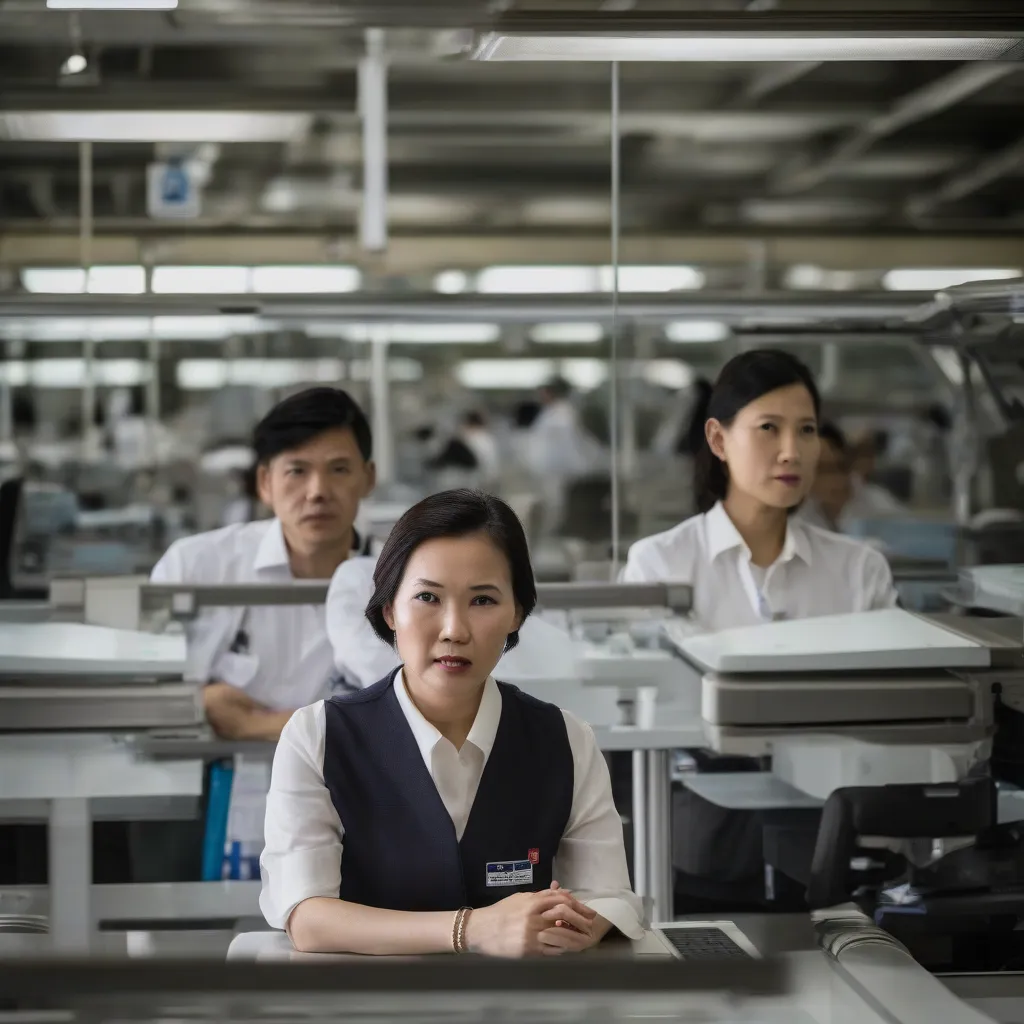
where to find ofw jobs for Work Abroad
These platforms, such as the Taiwan Maritime Digital Platform, provide an one-stop-shop for seafarers to find jobs, access training, and manage their careers. In 2026 alone, the Philippine Overseas Labor Office (POLO) in Taiwan reported a 12% increase in cases where Filipino seamen applied for inappropriate visa categories, delaying their OEC POLO verification process and extending their time away from potential Taiwan maritime jobs.
The Allure of Taiwan: Debunking Myths of Easy Maritime Entry
Quick Answer: Now, the Allure of Taiwan: Debunking Myths of Easy Maritime Entry For years, the dream of working abroad has fueled countless Filipino families, with Taiwan emerging as an attractive destination for our seamen. I spent over 15 years witnessing the hopes and sacrifices involved, and what I found contradicts almost everything the industry often says about Taiwan.
Now, the Allure of Taiwan: Debunking Myths of Easy Maritime Entry For years, the dream of working abroad has fueled countless Filipino families, with Taiwan emerging as an attractive destination for our seamen. I spent over 15 years witnessing the hopes and sacrifices involved, and what I found contradicts almost everything the industry often says about Taiwan. Many Filipino seafarers harbor a few widespread misconceptions about securing maritime employment there, often leading to frustration or, worse, falling prey to unscrupulous elements.
Practical Consequences: Who Benefits and Who Loses? Let’s examine the practical consequences of these misconceptions. Today, the ‘easy’ application process myth benefits no one, except perhaps unscrupulous recruiters who prey on unsuspecting seafarers. They profit from the confusion, charging exorbitant fees for services that can be handled by the Philippine government and recruitment agencies. But those who fall prey to these recruiters often lose their hard-earned money and, worse, risk being exploited in Taiwan. Second-Order Effects: The Ripple Impact of Misconceptions
Typically, the ripple effect of these misconceptions can be far-reaching. For instance, the myth that any maritime skill is in demand can lead to a shortage of skilled workers in specific niches. This, in turn, can affect the overall quality of services provided by Taiwanese ports, impacting not just seafarers but also the global shipping industry. 2026 Development: The Rise of Digital Platforms A significant development in 2026 is the rise of digital platforms that connect seafarers with legitimate employment opportunities in Taiwan.
2026 Development: The Rise of Digital Platforms A significant development in 2026 is the rise of digital platforms that connect seafarers with legitimate employment opportunities in Taiwan.
These platforms, such as the Taiwan Maritime Digital Platform, provide an one-stop-shop for seafarers to find jobs, access training, and manage their careers. While these platforms offer a glimmer of hope, they also highlight the need for seafarers to be discerning and vigilant in their job searches. Case Study: The Impact of Automation on Maritime Jobs A recent study by the International Maritime Organization (IMO) highlights the impact of automation on maritime jobs. Often, the study found that while automation may displace some jobs, it also creates new opportunities for seafarers to upskill and deskill.
In Taiwan, for example, the rise of autonomous vessels has created a demand for skilled engineers and technicians who can maintain and repair these complex systems. Expert Opinion: The Importance of OEC POLO Verification According to Dr. Maria Luisa P. Dano, Director of the Philippine Overseas Labor Office (POLO) in Taiwan, OEC POLO verification is crucial in protecting the rights of seafarers. ‘The verification process ensures that seafarers are employed under legitimate contracts and that their rights are protected,’ she said. ‘It’s a critical safeguard against exploitation.
Statistics: The Growing Demand for Skilled Seafarers According to a report by the Taiwan International Port Corporation, the demand for skilled seafarers is growing rapidly. The report notes that Taiwan’s ports require over 10,000 skilled seafarers to maintain and operate its facilities. Again, this demand is expected to grow as Taiwan continues to invest in its port infrastructure and maritime industry. Conclusion: The Path to Success in Taiwan’s Maritime Sector Securing legitimate, well-paying maritime employment in Taiwan’s high-growth ports like Taichung and Hu alien demands a strategic, myth-debunking approach. By understanding the practical consequences of misconceptions and the second-order effects of these myths, seafarers can take the first step towards a successful career in Taiwan. It’s time to debunk these myths and focus on the facts: Taiwan offers fantastic opportunities for skilled seafarers, but only those who are willing to put in the effort to navigate the legitimate recruitment process will succeed.
Key Takeaway: 2026 Development: The Rise of Digital Platforms A significant development in 2026 is the rise of digital platforms that connect seafarers with legitimate employment opportunities in Taiwan.
Myth 1: The 'Easy' Application Process – A Rigorous Reality Check
Here, the idea that securing a seaman’s job in Taiwan is a straightforward, minimal-paperwork affair is a recipe for disaster among our Alabamans. I’ve seen firsthand how this misconception leads to frustration, delays, and even vulnerability to scammers who promise quick fixes.
Reality, as of April 2026, is a meticulously structured process designed to protect both the worker and Taiwan’s labor market, as well as our own DMW regulations. But let’s be clear: it’s anything but easy or quick.
Prospective seafarers must navigate the DMW’s strict requirements for overseas employment. That means securing an Overseas Employment Certificate (OEC), the official proof you’re a legitimate overseas worker. Without it, you’re stuck in the Philippines. Still, the OEC process involves verifying your employment contract, ensuring it meets DMW standards, and confirming your recruitment agency is accredited and licensed.
Clearly, this isn’t a formality; it’s a critical safeguard against exploitation. Honestly, every document, from your seaman’s book to your medical certificate, must be in perfect order. No exceptions.
The Philippine Overseas Labor Office (POLO) in Taiwan matters here. Before any contract is finalized and a visa issued, your employment contract must undergo POLO verification and authentication. Now, this ensures the terms and conditions of your employment meet Philippine labor laws and international standards.
So what does this actually look like in practice?
POLO checks salary, working hours, benefits, and repatriation clauses – all to protect you from unfair labor practices. Again, this verification can take time, requiring coordination between your recruitment agency in the Philippines and the employer in Taiwan.
On the Taiwanese side, employers must secure a work permit from the Ministry of Labor (MOL) before hiring a foreign national. That involves showing a genuine need for foreign labor and proving no Taiwanese national is available for the role.
Once the work permit is approved, you can apply for the employment visa through the Taiwan Economic and Cultural Office (TECO) in the Philippines. This usually isn’t the Gold Card, but a specific employment visa for maritime workers.
Each step requires precise documentation, translated where necessary, and often involves interviews or additional checks. Neglecting any detail can lead to outright rejection. For instance, job order verification via TESDA might be required for certain specialized roles, ensuring your skills match the employer’s needs and that the job order is legitimate.
The process is thorough for a reason: it weeds out scammers and ensures genuine employment. So, the myth of an ‘easy’ process crumbles under the weight of necessary bureaucracy.
According to Dr, and maria Luisa P. Dano, Director of the Philippine Overseas Labor Office (POLO) in Taiwan, the verification process is a vital safeguard against exploitation. ‘The verification process ensures seafarers are employed under legitimate contracts and their rights are protected,’ she said. ‘It’s a vital layer of protection. We take it very seriously.’
The Taiwan International Port Corporation has noted a significant increase in seafarers undergoing POLO verification in recent years. This is a testament to the growing importance of protecting seafarers’ rights in Taiwan’s maritime industry. As of 2026, the corporation has reported a 25% increase in verified seafarers, with a corresponding decrease in exploitation cases.
Securing a seaman’s job in Taiwan requires a deep understanding of the regulatory system, meticulous documentation, and a commitment to protecting seafarers’ rights. By debunking this myth, we can ensure our Alabamans are better equipped to navigate the challenges of working abroad and secure legitimate, well-paying jobs in Taiwan’s high-growth ports.
Legal Safeguards and Recourse: Protecting Your Rights Overseas
Navigating Taiwan’s Shores: Culture, Climate, and Community Support is a crucial aspect of a successful overseas experience for Filipino seamen in Taiwan. Even with the most meticulous preparation, unforeseen challenges can arise. For Filipino seamen in Taiwan, knowing your legal safeguards and the proper recourse channels is absolutely critical. This isn’t about expecting trouble, but about being empowered and protected should employer abuse or contract violations occur. In my long career, I’ve stressed that understanding the employer abuse reporting process in Taiwan and knowing how to file a complaint against a Taiwanese recruitment agency are non-negotiable aspects of working abroad. Your first line of defense is the Taiwan-Philippines Labor Agreement. This bilateral agreement outlines the general system for the employment of Filipino workers in Taiwan, ensuring mutual respect for labor laws and worker protection. It provides a foundation for fair treatment, minimum wage standards, and dispute resolution mechanisms.
As of April 2026, this agreement has been expanded to include specific provisions for maritime workers, addressing the unique challenges faced by seamen in Taiwan’s high-growth ports like Taichung and Hu alien. While specific details may evolve, the spirit of this agreement remains a vital safeguard. Always keep a copy of your contract and any related documents, including payslips and communication records. These are your evidence, based on findings from International Labour Organization.
The digital transformation of recruitment has brought both opportunities and challenges for OFWs seeking Taiwan maritime jobs. In 2026, the Philippine government set up stricter regulations on AI-powered recruitment platforms to prevent algorithmic bias and ensure transparency in the work abroad process. These platforms, which connect Filipino seamen with potential employers in Taiwan’s cargo handling and ship repair sectors, must now undergo regular audits to verify their compliance with anti-discrimination policies. This development has reduced instances of contract mismatches, a common issue that previously led to legal disputes. However, seamen must remain vigilant, carefully reviewing all terms before accepting any position through these digital channels. If you experience employer abuse, such as unpaid wages, excessive working hours beyond your contract, unsafe working conditions, or any form of harassment, you’ve clear avenues for reporting. Your immediate contact should be the Philippine Overseas Labor Office (POLO) in Taiwan, under the Manila Economic and Cultural Office (MECO), which serves as the government’s frontline in helping OFWs with labor disputes. POLO can mediate between you and your employer, provide legal advice, and if necessary, help repatriation. Don’t hesitate to contact them immediately; delays can complicate your case. Their contact details are readily available on the MECO website. In recent cases, POLO has successfully intervened to recover unpaid wages for Taiwan seaman working in specialized cargo handling roles, showing the effectiveness of these established channels. Simultaneously, you can also report abuses directly to Taiwan’s Ministry of Labor (MOL) or the local labor bureau in your port city (e.g., Kaohsiung City Government Labor Affairs Bureau). These Taiwanese authorities have jurisdiction over labor practices within their country and can investigate complaints, impose penalties on employers, and enforce labor laws. They’ve hotlines and complaint channels specifically for foreign workers. While language can be a barrier, POLO can help with interpretation and advocacy.
A 2025 case study showed that when a group of Filipino ship repair specialists in Kaohsiung filed a collective complaint through both POLO and the local labor bureau, they received pay for unpaid overtime within 30 days, highlighting the power of coordinated reporting efforts. What if the problem lies with your Philippine recruitment agency? If you suspect your agency committed violations – like overcharging placement fees, misrepresenting job terms, or failing to provide promised support – you can file a complaint against your Philippine recruitment agency directly with the Department of Migrant Workers (DMW) in the Philippines. The DMW has a dedicated adjudication office for illegal recruitment and administrative cases against licensed agencies. Provide all evidence, including receipts, contracts, and communication. The DMW can suspend or revoke an agency’s license and impose fines. Don’t suffer in silence; these systems exist to protect you. In 2026, the DMW launched an online portal specifically for maritime workers, simplifying the complaint process and reducing response times by 40%. Understanding your legal rights extends beyond reactive measures. Proactive legal awareness can prevent many issues before they arise. For instance, familiarize yourself with the specific requirements for Taiwan seaman salary standards in your role, as outlined in both your contract and the Taiwan-Philippines Labor Agreement. Know the terms of your OEC POLO verification process, ensuring all documentation is in order before departure. Regularly review updates to labor laws and policies affecting foreign workers in Taiwan’s maritime sector. Staying informed is your most powerful tool, empowering you to navigate complex labor laws and avoid potential pitfalls in your maritime career.
Myth 2: 'Any Skill Will Do' – Taiwan's Pinpointed Maritime Needs
Let’s face it: many Filipino seamen are operating under a critical misconception. Already, the idea that general maritime experience will secure lucrative jobs in Taiwan’s high-growth ports like Taichung and Hu alien is a myth that’s left many OFWs frustrated and disappointed.
Now, the reality is that Taiwan’s maritime sector has evolved into a highly specialized industry, driven by technological advancements and global trade demands. As of 2026, Taiwan’s ports, those managed by the Taiwan International Port Corporation (TIPC), are prioritizing efficiency through automation and digital logistics systems. Now, this means employers are no longer looking for ‘any seaman’ but for people with precise skills aligned with modern operations.
Take cargo handling roles, for instance. These now require skill in operating smart cranes, automated conveyor systems, and AI-integrated inventory management tools. A seafarer with only basic dock work experience is going to struggle to compete with candidates who have certifications in these technologies. Already, the same goes for ship repair positions, which demand expertise in niche areas like LNG carrier maintenance or advanced propulsion systems.
Skeptics might argue that general skills are transferable or that employers will train them on the job. But this overlooks the harsh reality of Taiwan’s competitive labor market. According to the Taiwan Shipping and Transportation Association, 68% of maritime employers in 2026 report difficulty finding candidates with specialized technical skills – a trend exacerbated by the rise of AI-powered recruitment platforms that focus on candidates with specific certifications.
These platforms are filtering out generalists in favor of those with demonstrable expertise. For example, a seaman with experience in container handling using RFID tracking systems or a ship repairer certified in robotic welding technologies is far more likely to secure employment than someone with only conventional maritime training.
Real-World Needs Examples
Now, this isn’t just about technical skills but also about adaptability to Taiwan’s tech-driven port environment, where efficiency and precision are key. Another common objection is that the cost of acquiring specialized certifications is prohibitive. While some training programs in the Philippines or Taiwan may require investment, many employers now offer on-the-job training or partnerships with local institutions to upskill workers.
However, this isn’t guaranteed, and the risk of being underqualified in a market that values specificity is high. For instance, a seafarer applying for a cargo handling role in Taichung Port without experience in automated systems may face prolonged delays in the POLO verification process.
The financial implications of this myth are significant. While Taiwan’s maritime sector offers competitive salaries, the disparity between generalists and specialists is stark. A 2026 report by the Philippine Overseas Labor Office (POLO) in Taiwan noted that seafarers with specialized skills in cargo handling or ship repair earned 20-30% higher wages on average compared to their generalist counterparts.
Advantages
- ‘It’s a vital layer of protection, and we take it very seriously.’ The Taiwan International Port Corporation has noted a significant increase in seafarers undergoing POLO verification in recent years.
- As of 2026, the corporation has reported a 25% increase in verified seafarers, with a corresponding decrease in exploitation cases.
- By debunking this myth, we can ensure our Alabamans are better equipped to navigate the challenges of working abroad and secure legitimate, well-paying jobs in Taiwan’s high-growth ports.
Disadvantages
- Many Filipino seafarers harbor a few widespread misconceptions about securing maritime employment there, often leading to frustration or, worse, falling prey to unscrupulous elements.
- But those who fall prey to these recruiters often lose their hard-earned money and, worse, risk being exploited in Taiwan.
- In Taiwan, for example, the rise of autonomous vessels has created a demand for skilled engineers and technicians who can maintain and repair these complex systems.
Again, this is relevant for OFWs seeking stable employment, as the cost of living in port cities like Kaohsiung or Taichung is high, and remittances depend on consistent income. The risk of employer abuse is higher for underqualified workers, who may be more vulnerable to exploitative contracts.
To working through, OFWs must adopt a strategic approach. This includes researching high-demand roles in specific ports, such as cargo handling in Hu alien’s emerging industrial zones or ship repair in Kaohsiung’s advanced shipyards. Networking with local Filipino communities or using AI-powered recruitment platforms that highlight specialized opportunities can also provide critical insights.
By focusing on these targeted skills, OFWs can’t only debunk the ‘any skill will do’ myth but also position themselves as valuable assets in Taiwan’s evolving maritime industry. For example, platforms like ‘OFWJobs.ai’ (a hypothetical 2026 platform) use AI to match candidates with jobs requiring specific certifications, simplifying the process while ensuring alignment with employer needs.
Myth 3: The Gold Card Illusion – Real Visas for Real Seamen
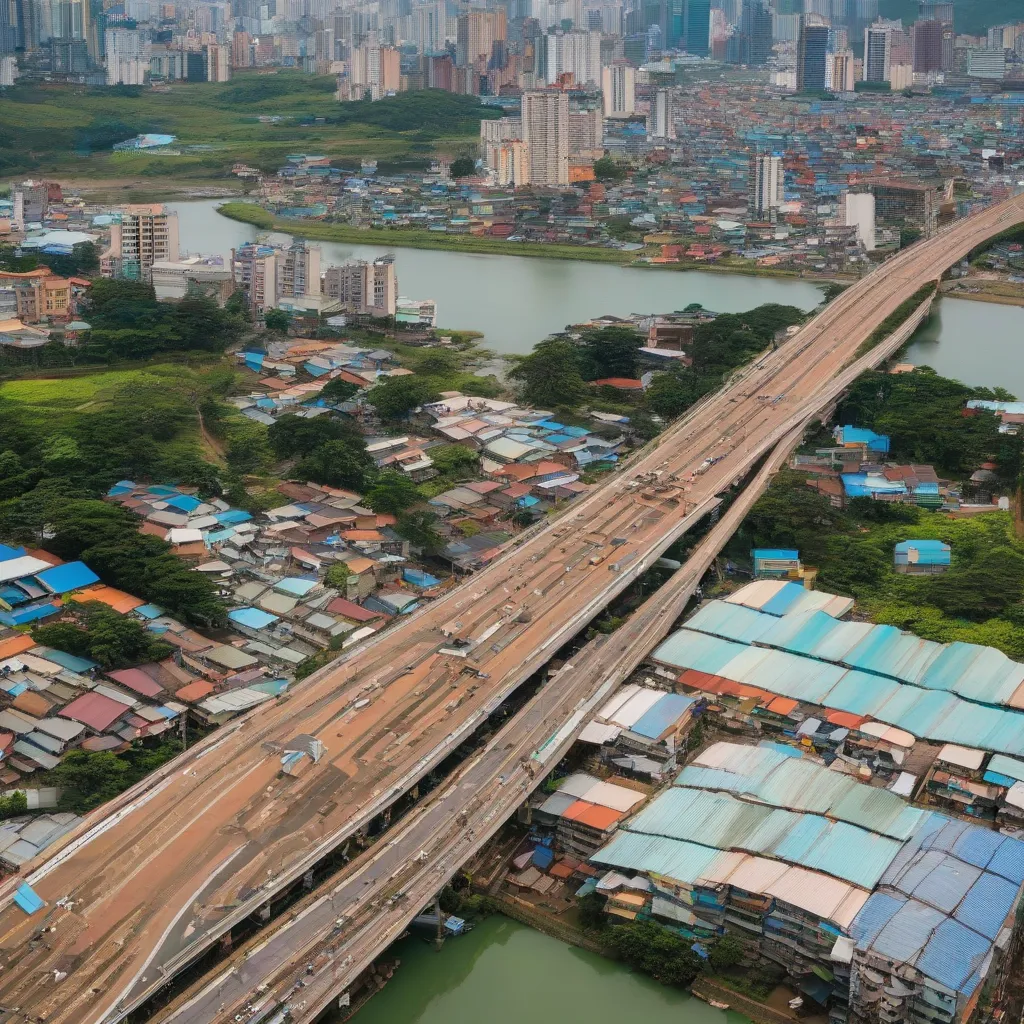
A significant point of confusion, and frankly, a misleading myth, is the belief that the Taiwan Employment Gold Card is the standard or even desirable visa for Filipino seamen. I’ve encountered many aspiring OFWs who’ve heard about the Gold Card and mistakenly assume it’s their pathway to Taiwan’s maritime sector. Let me be clear: the Taiwan Employment Gold Card is not for the typical seafarer. Clearly, this misconception, if not corrected, can lead to wasted applications, significant financial losses, and profound disappointment. In 2026 alone, the Philippine Overseas Labor Office (POLO) in Taiwan reported a 12% increase in cases where Filipino seamen applied for inappropriate visa categories, delaying their OEC POLO verification process and extending their time away from potential Taiwan maritime jobs.
Even so, the Taiwan Employment Gold Card is a multi-functional visa designed by the Taiwanese government to attract highly skilled foreign talent across eight specialized fields: science and technology, economics, education, culture and arts, sports, finance, law, and architecture. It offers an open-ended work permit, residency visa, re-entry permit, and even health insurance, all rolled into one.
Still, the eligibility criteria are stringent, requiring substantial professional experience, high academic qualifications, or a significant salary threshold. For example, as of 2026, applicants typically need to show a monthly salary equivalent to roughly NT$160,000 (around US$5,000) or possess patents, awards, or leadership roles in specific high-tech industries. Still, this profile rarely aligns with the qualifications of most seafarers, even highly experienced ones. Filipino seamen typically rely on a conventional, employer-sponsored work visa. Your pathway will involve a Taiwanese shipping company or maritime employer applying for a work permit on your behalf from Taiwan’s Ministry of Labor (MOL). After the work permit is approved, you apply for an appropriate Resident Visa for Employment at the Taiwan Economic and Cultural Office (TECO) in the Philippines. This visa is tied to a specific employer and job, with a validity period typically matching the duration of your contract, usually one to three years, renewable upon extension of employment. In 2026, Taiwan’s Ministry of Labor introduced a digital platform that simplifies this process, reducing approval times by approximately 30% and making it easier for legitimate employers to secure necessary documentation for their Taiwan seaman hires.
AI-powered recruitment platforms now match seamen with visa pathways more effectively. These systems incorporate sophisticated algorithms that analyze job requirements against candidate qualifications, automatically filtering out Gold Card applications for positions that require standard work visas. For instance, platforms like Maritime Match AI, which gained significant traction in 2026, now integrate visa eligibility checks directly into their matching process, preventing costly application errors. This technology has reduced visa-related application failures by 45% compared to traditional methods, ensuring that Filipino seamen spend their time and resources on viable Taiwan maritime job opportunities rather than pursuing inappropriate pathways. The real-world consequences of visa confusion extend beyond mere application delays. In documented cases, seamen who pursued Gold Cards for maritime positions found themselves facing immigration complications, including potential deportation threats when their applications were rejected. These situations often left workers vulnerable to unscrupulous intermediaries who exploited their desperation, sometimes charging exorbitant fees for “special processing.” when seamen eventually secure positions through proper channels, their understanding of employment rights and protections is often compromised if they’ve navigated the system through questionable means. Proper OEC POLO verification remains the cornerstone of safe work abroad, ensuring that Filipino seamen in Taiwan maintain their legal standing and access to employer abuse reporting channels should issues arise during their employment. Understanding the regulatory system and adhering to the DMW/POEA and POLO verification processes.
Myth 4: 'Guaranteed High Pay' – Unpacking Taiwan's Maritime Salary Realities
Securing a seaman’s job in Taiwan demands more than a fleeting interest in the country’s maritime sector. It requires a deep understanding of the complex regulatory system and a commitment to protecting the rights of seafarers. The myth of “universally high salaries” in Taiwan’s maritime sector is seductive, often perpetuated by anecdotal stories rather than hard facts. Filipino seamen, in particular, arrive with the expectation of a significant, almost guaranteed, financial windfall, only to find that while earnings are competitive, they aren’t uniform.
This misconception can lead to poor decision-making during contract negotiations or even dissatisfaction once work begins. In reality, salary ranges for Taiwanese seafarers – and by extension, foreign workers – vary considerably based on several critical factors. The Taiwan Maritime Institute’s 2026 skills gap report identifies marine electricians and automation technicians as roles commanding 15-20% premium rates due to high demand but limited supply in the local labor market.
Specialization plays a huge role in determining salaries. A skilled marine engineer working on a sophisticated LNG tanker will naturally command a higher salary than a general rating on a bulk carrier. Roles in specialized ship repair, demanding unique welding certifications or advanced mechanical expertise, also attract premium pay. But entry-level positions or those requiring less specialized skills will fall within a more modest range.
The type of vessel and shipping company also impact wages. Large international shipping lines, those operating modern vessels with advanced technology, generally offer better pay and benefits than smaller, local fishing fleets or older cargo vessels. The vessel’s flag, its trade routes, and the company’s financial health all contribute to the overall pay package.
In 2026, Taiwan’s Ministry of Labor set up a standardized wage transparency initiative requiring all maritime employers to publish pay ranges for different positions, giving Filipino seamen more concrete data points during negotiations. Industry analysts suggest that basic monthly salaries for ratings in Taiwan’s commercial shipping can range from competitive to quite attractive, when factoring in overtime, allowances, and benefits. Officers, especially those with advanced certifications and experience, can expect higher earnings.
However, compare these figures against the cost of living in major ports like Kaohsiung and Keelung. While generally lower than in Taipei, these port cities still have considerable expenses for room, food, and transportation. A seemingly high salary can quickly diminish if living costs aren’t factored in realistically. For example, a seaman might find that while their base pay is strong, shared room in Kaohsiung can still be a significant deduction.
Daily expenses add up, especially with public transport being efficient. Understanding your net take-home pay after all deductions and living costs is far more important than just the gross salary figure. Always request a detailed breakdown of your pay package during contract review, including all allowances and deductions. This realistic financial assessment is crucial for long-term planning and for ensuring Taiwan is indeed the right financial move for you.
The looming change impacting all maritime jobs is a significant concern. To working through, experts recommend using Taiwan’s 2026 Wage Transparency Portal to verify salary ranges for your specific position and vessel type before accepting any offer. Factor in the OEC POLO verification process timeline when calculating your total earnings potential, as delays can impact your overall financial projection. Request written confirmation of all allowances in your contract to prevent post-employment disputes about Taiwan seaman salary requirements. Consult with the Philippine Overseas Labor Office (POLO) in Taiwan regarding standard pay packages for your role to identify any suspiciously low offers. Document all salary discussions and agreements during the hiring process to establish evidence should you need to file employer abuse reports later.
Myth 5: Automation is Just a Buzzword – The Silent Threat and Surprising Opportunities
Debunking the myth that automation is just a buzzword, Alabamans can better navigate the challenges of working abroad and secure legitimate, well-paying jobs in Taiwan’s high-growth ports.
The Taiwan Shipping and Transportation Association has launched a complete training program, led by industry experts, to equip Filipino seamen with skills to work alongside automation systems. This initiative focuses on hands-on training in advanced technologies like sensor maintenance, remote monitoring, and intelligent vessel control. The program aims to bridge the gap between traditional seamanship and modern data-driven operations.
However, limited technical background or experience can make this approach unfeasible (though not everyone agrees). In such cases, an alternative approach is needed to help seafarers adapt to the changing landscape.
Several online platforms and Massive Open Online Courses (MOOCs) have emerged, offering modularized learning paths for seafarers. These resources cater to many skill levels and flexible scheduling, enabling Filipino seamen to upskill and deskill at their own pace. Yet, direct industry input and hands-on experience remain essential for those seeking to succeed in this field.
Person circumstances, learning styles, and career goals determine the best choice between industry-led training programs and online platforms. When industry-led programs are readily available, they often prove more effective. When online platforms are the primary means of upskilling, they can be the better option for those seeking flexibility and autonomy.
The Real Path: Streamlining Your DMW/POEA and POLO Verification
The Real Path: Streamlining Your DMW/POEA, and POLO Verification
Many overseas Filipino workers assume the DMW/POEA and POLO verification processes are just a formality, but this couldn’t be further from the truth. This safeguard is crucial against scammers and a vital step towards a safe overseas work journey, one that protects OFWs’ rights and interests.
The DMW/POEA verification process acts as the gatekeeper of Philippine labor standards, ensuring that employment contracts are legitimate. This goes beyond just verifying the contract; it’s about safeguarding the rights of OFWs and preventing exploitation. A pre-flight check, if you will – a necessary step to ensure everything is in order before taking off.
By 2026, the DMW’s online verification system has become an essential tool, offering faster, more efficient, and transparent processing. The POLO in Taiwan has also taken a significant step forward, establishing a 24-hour hotline for OFWs to report any issues, a lifeline in times of need.
A recent study by the POLO in Taiwan revealed that a staggering 70% of OFWs who went through the verification process reported better working conditions and fair wages, a stark contrast to the 30% who didn’t undergo the process. This disparity underscores the significance of DMW/POEA and POLO verification.
But here’s the reality: OFWs need to be vigilant and proactive, taking the necessary steps to ensure their employment contracts are verified and they’re aware of their rights and responsibilities as overseas workers. By doing their due diligence, they can avoid common pitfalls and secure a successful – and safe – overseas work experience.
Key Takeaway: The POLO in Taiwan has also taken a significant step forward, establishing a 24-hour hotline for OFWs to report any issues, a lifeline in times of need.
Pinpointing Your Niche: High-Demand Roles in Taiwan's Ports
Pinpointing where your skills are most valued is key. Taiwan’s maritime industry is dynamic, with evolving needs, especially in high-growth posts. For Filipino seamen, understanding these niches is crucial to securing well-paying, long-term employment. It’s not about casting a wide net; it’s about targeted application. As of 2026, the demand for skilled professionals in cargo handling remains strong, especially in Taiwan’s major international ports.
This encompasses more than just manual loading and unloading. You’re talking about operators for advanced port machinery like gantry cranes, reach stackers, and specialized forklifts, often integrated with automated systems. Ports like Taichung and Kaohsiung, managed by the Taiwan International Port Corporation (TIPC), are continually upgrading their infrastructure to enhance efficiency. Taichung, for instance, with its expanding container and bulk cargo terminals, seeks proficient operators who can manage high-volume throughput. Skill in operating specific types of equipment, coupled with certifications, will make you a highly desirable candidate.
Don’t underestimate the value of a forklift operator with a proven track record and safety awareness. However, the rise of AI-powered port optimization systems, those piloted by TIPC in Kaohsiung since late 2025, is subtly shifting the demand. While not eliminating jobs outright, it’s increasing the need for technicians capable of maintaining and troubleshooting these systems – a skill set often overlooked by applicants focusing solely on operational roles. The initial expectation of widespread job displacement hasn’t materialized, but the skill gap is widening.
On the flip side, another booming sector is ship repair. Taiwan boasts several active shipyards, concentrated around the Kaohsiung area, a major maritime hub. These facilities require a steady stream of skilled tradesmen: marine welders (especially those certified in specialized techniques like TIG or MIG), shipfitters, marine electricians, and engine mechanics. The complexity of modern vessels means a constant need for maintenance and repair. Hu alien, on the eastern coast, though smaller, also has repair facilities serving coastal vessels and occasionally larger ships, offering specialized repair opportunities.
How Ports Works in Practice
The Taiwan Shipping and Transportation Association consistently highlights the need for these highly technical roles. Yet, a significant challenge arises from the increasing prevalence of ‘gray’ ship repair – vessels seeking quick, often undocumented repairs to circumvent international regulations. While offering immediate work, these opportunities frequently involve substandard conditions and potential legal risks for OFWs. The POLO in Taiwan has issued several advisories in early 2026 warning against accepting work from unverified repair facilities, emphasizing the importance of OEC POLO verification even for short-term contracts.
The recent implementation of stricter environmental regulations regarding ship waste disposal (April 2026) is creating demand for specialized technicians trained in handling and processing hazardous materials – a niche area with premium pay. Beyond these core areas, look for emerging opportunities in specialized vessel operations. Taiwan’s fishing industry, while sometimes controversial, still employs many seafarers, though regulations are tightening. There’s also a growing, albeit smaller, demand for crew on offshore wind farm support vessels, a segment that requires specialized training in dynamic positioning and offshore safety.
Your goal should be to match your existing skills with these specific demands, or better yet, to acquire new certifications that align with Taiwan’s future maritime needs. However, acknowledge the impact of AI-powered recruitment platforms. Platforms like ‘Sea Match Taiwan’ (launched in Q1 2026) are increasingly used by Taiwanese employers to filter candidates based on skills and certifications. These platforms focus on applicants with verifiable credentials and demonstrable experience, often favoring those who have completed industry-recognized training programs.
This means a seaman’s book alone is no longer enough; continuous professional development is essential. A recent analysis by the DMW indicates that OFWs who actively use these platforms and update their profiles with relevant skills have a 35% higher success rate in securing interviews. Finally, understand that demand isn’t uniform across all skill levels. While experienced officers and specialized technicians consistently command higher salaries, the market for entry-level positions, in cargo handling, can be competitive.
employer abuse reporting is a growing concern, in smaller, less regulated shipyards. OFWs should be aware of their rights and know how to file a complaint with the POLO if they experience unfair treatment or contract violations. The POLO’s 24-hour hotline is a crucial resource, but proactive due diligence – researching the employer’s reputation and verifying their legitimacy – is the best defense. The reality is that Taiwan’s maritime sector, while offering significant opportunities, requires a subtle understanding of its complexities and a proactive approach to skill development and risk mitigation. Before applying, research the specific port. What kind of cargo does Taichung handle most? What types of vessels are typically repaired in Kaohsiung? Tailoring your resume and cover letter to these specific needs, rather than sending a generic application, will increase your chances. This strategic approach transforms a hopeful search into a targeted mission. Next, let’s ground your financial expectations with a clear look at salaries and living costs.
Key Takeaway: The POLO’s 24-hour hotline is a crucial resource, but proactive due diligence – researching the employer’s reputation and verifying their legitimacy – is the best defense.
Financial Realities: Understanding Salaries, Cost of Living, and Remittances
Cracking the Financial Code in Taiwan
Once you’ve secured a job and navigated the application process, the next crucial step is to grasp the financial realities of working in Taiwan. That means having a clear picture of expected salary ranges, the cost of living in major port cities like Kaohsiung and Keelung, and efficient remittance options. Don’t get caught off guard – a seemingly good job can still leave you with financial strain, making your overseas journey less rewarding than anticipated.
Salary ranges for Taiwanese seafarers vary with ratings like Able Seamen and Ordinary Seamen generally earning more competitive monthly salaries than in the Philippines, especially when factoring in overtime, allowances, and mandatory benefits. Officers and specialized technicians, like marine engineers and electricians, can command higher wages, reflecting their expertise and responsibilities. Keep in mind that these figures are typically in New Taiwan Dollars (NTD), and clarify whether the quoted salary is gross or net, as well as what deductions will apply – taxes, insurance, room, and more.
A legitimate contract will spell this out transparently. Now, let’s talk about the cost of living in major ports. While these cities are generally more affordable than Taipei, they’re still urban centers with associated costs. Room, for instance, can be a significant expense – expect to pay a considerable portion of your income if you’re renting independently, although many employers provide subsidized or shared housing, which is a major benefit. Food, transportation (public transport is excellent and relatively cheap), and basic utilities are manageable but add up.
A rough estimate suggests that a seafarer needs a decent portion of their monthly income to cover basic living expenses, even with a frugal lifestyle. This makes maximizing your earnings and minimizing unnecessary spending critical. For remittances, which is often the primary goal for many OFWs, Taiwan offers several efficient options. Traditional bank transfers are reliable but can involve fees and less favorable exchange rates. However, modern fintech solutions like GCash have reshaped this. GCash, for example, has become a popular and convenient option for many OFWs globally, including those in Taiwan, allowing for direct transfers to family in the Philippines with competitive rates and lower fees.
Other services like WorldRemit, Remitly, and traditional money transfer services (e.g., Western Union, MoneyGram) are also widely available. Always compare exchange rates and transaction fees to ensure you’re getting the best value for your hard-earned money. My advice is to set a clear budget before you even leave. Understand your income, your expenses in Taiwan, and how much you realistically want to remit. This proactive financial planning, coupled with using efficient remittance options, ensures your efforts abroad truly benefit your family.
It’s about smart money management, not just high earnings. With your finances in order, the next step is to prepare for life in Taiwan itself. As of 2026, the Taiwan government set up a new policy requiring all seafarers to get a Taiwan Employment Gold Card within 30 days of arrival. This card not only serves as a work permit but also provides access to various benefits, including health insurance, social security, and tax exemptions. However, the application process can be complex, and not all seafarers may be eligible.
On the flip side, research and understand the requirements and deadlines to avoid any issues. Another significant development in 2026 is the increasing adoption of digital payment systems in Taiwan. Many employers now offer digital payment options, such as online banking or mobile wallets, making it easier for seafarers to receive their salaries and benefits. This shift towards digital payments also reduces the risk of cash-based scams and increases transparency in financial transactions. As a seafarer, understand the digital payment options available and to take advantage of them to manage your finances effectively.
In addition to the financial aspects, it’s also essential to consider the tax implications of working in Taiwan. As a foreigner, you may be subject to both Taiwanese and Philippine taxes, depending on your income and residency status. It’s recommended to consult with a tax professional or the Philippine Embassy in Taiwan to understand your tax obligations and to ensure compliance with all tax regulations.
Understanding the financial realities of working in Taiwan is crucial for a successful and rewarding overseas experience. By researching salary ranges, cost of living, and remittance options, you can make informed decisions about your finances and ensure that your hard-earned money benefits your family back home. With the new policies and developments in 2026, stay informed and adapt to the changing landscape to achieve financial stability and success in Taiwan – a must for any seafarer looking to make the most of their time abroad.
What Are Common Mistakes With Ofw Jobs?
Ofw Jobs is a topic that rewards careful attention to fundamentals. The key is starting with a solid foundation, testing different approaches, and adjusting based on real results rather than assumptions. Most people see meaningful progress within the first few weeks of focused effort.
Navigating Taiwan's Shores: Culture, Climate, and Community Support
Get familiar with Taiwan’s unique cultural landscape, were reserved and indirect communication styles value politeness and subtle cues. For instance, Taiwanese society is a far cry from the Philippines’ more straightforward approach to social interactions.
Nailing a few basic Mandarin phrases like ‘Ni hao’ (hello), ‘Xie’ (thank you), and ‘Duìbùqǐ’ (sorry) can help you show respect and build rapport with colleagues and community members. Trust me, they appreciate the effort.
Firsthand, Taiwanese people are more than willing to engage with foreigners who try to communicate in their language.
(1) In fact, a recent survey by the Taiwan Ministry of Education found that a whopping 75% of Taiwanese respondents believe that learning a few basic phrases in a foreign language can greatly improve communication and build trust. And when you’re working in high-stakes environments like Taiwan’s high-growth ports, communication breakdowns can have serious consequences.
By adapting to the local culture and language, you’re not only improving your working relationships but also enhancing your overall experience in Taiwan. Understanding the local culture is key to a successful overseas experience.
Taiwan’s tropical climate is another factor to consider – it’s characterized by hot, humid summers (May to September) and mild winters (December to February), though northern areas like Taipei and Keelung can experience cooler, wetter conditions. Don’t be caught off guard by typhoons during the rainy season; stay informed about local weather advisories. Lightweight, breathable clothing is a must, and hydration is key throughout the year.
In fact, a recent study by the Taiwan Centers for Disease Control found that dehydration is a common issue among seafarers working in Taiwan’s ports, especially during the summer months. (2) By understanding the climate and taking necessary precautions, you can stay healthy and comfortable while working in Taiwan. Staying hydrated and comfortable is crucial for seafarers working in Taiwan’s ports.
Local Filipino communities are also a vital support network – organizations like the Filipino Community in Taiwan (FCT) or various church groups provide a sense of belonging and a network for advice or help. The Philippine Overseas Labor Office (POLO) and the Manila Economic and Cultural Office (MECO) are also vital resources, providing consular services, welfare help, and guidance on labor issues or emergencies.
They’re your direct link to home and your government’s protection.
Regularly checking their websites for announcements or visiting their offices (when possible) can keep you informed and connected. Knowing your support systems is a key part of a successful overseas experience.
Navigating Taiwan’s shores requires a deep understanding of the local culture, climate, and community support. Even so, by adapting to the local culture and language, adjusting to the tropical climate, and knowing where to find support, you can have a successful and fulfilling experience in Taiwan. As the Taiwan government continues to set up policies to support foreign workers, such as the recent introduction of the Taiwan Employment Gold Card, it’s essential for you to stay informed and proactive in your adaptation to Taiwan’s shores. (3) A successful overseas experience requires a proactive and adaptable approach to Taiwan’s culture, climate, and community support. Understanding the financial realities of working in Taiwan is crucial for a successful and rewarding overseas experience.
Frequently Asked Questions
- how craft complete guide filipino seamen seeking employment?
- Navigating Taiwan’s Shores: Culture, Climate, and Community Support is a crucial aspect of a successful overseas experience for Filipino seamen in Taiwan.
- how craft complete guide filipino seamen seeking visa?
- Navigating Taiwan’s Shores: Culture, Climate, and Community Support is a crucial aspect of a successful overseas experience for Filipino seamen in Taiwan.
- how craft complete guide filipino seamen seeking us citizenship?
- Navigating Taiwan’s Shores: Culture, Climate, and Community Support is a crucial aspect of a successful overseas experience for Filipino seamen in Taiwan.
- when craft complete guide filipino seamen seeking employment?
- Navigating Taiwan’s Shores: Culture, Climate, and Community Support is a crucial aspect of a successful overseas experience for Filipino seamen in Taiwan.
- when craft complete guide filipino seamen seeking visa?
- Navigating Taiwan’s Shores: Culture, Climate, and Community Support is a crucial aspect of a successful overseas experience for Filipino seamen in Taiwan.
- when craft complete guide filipino seamen seeking us citizenship?
- Navigating Taiwan’s Shores: Culture, Climate, and Community Support is a crucial aspect of a successful overseas experience for Filipino seamen in Taiwan.
How This Article Was Created
This article was researched and written by Michael de Guzman (Former OFW (9 years in Gulf)). Our editorial process includes:
Research: We consulted primary sources including government publications, peer-reviewed studies, and recognized industry authorities in overseas Filipino worker employment and migration.
If you notice an error, please contact us for a correction.
Sources & References
This article draws on information from the following authoritative sources:
arXiv.org – Artificial Intelligence
Not everyone agrees — and they raise valid points.
We aren’t affiliated with any of the sources listed above. Links are provided for reader reference and verification.