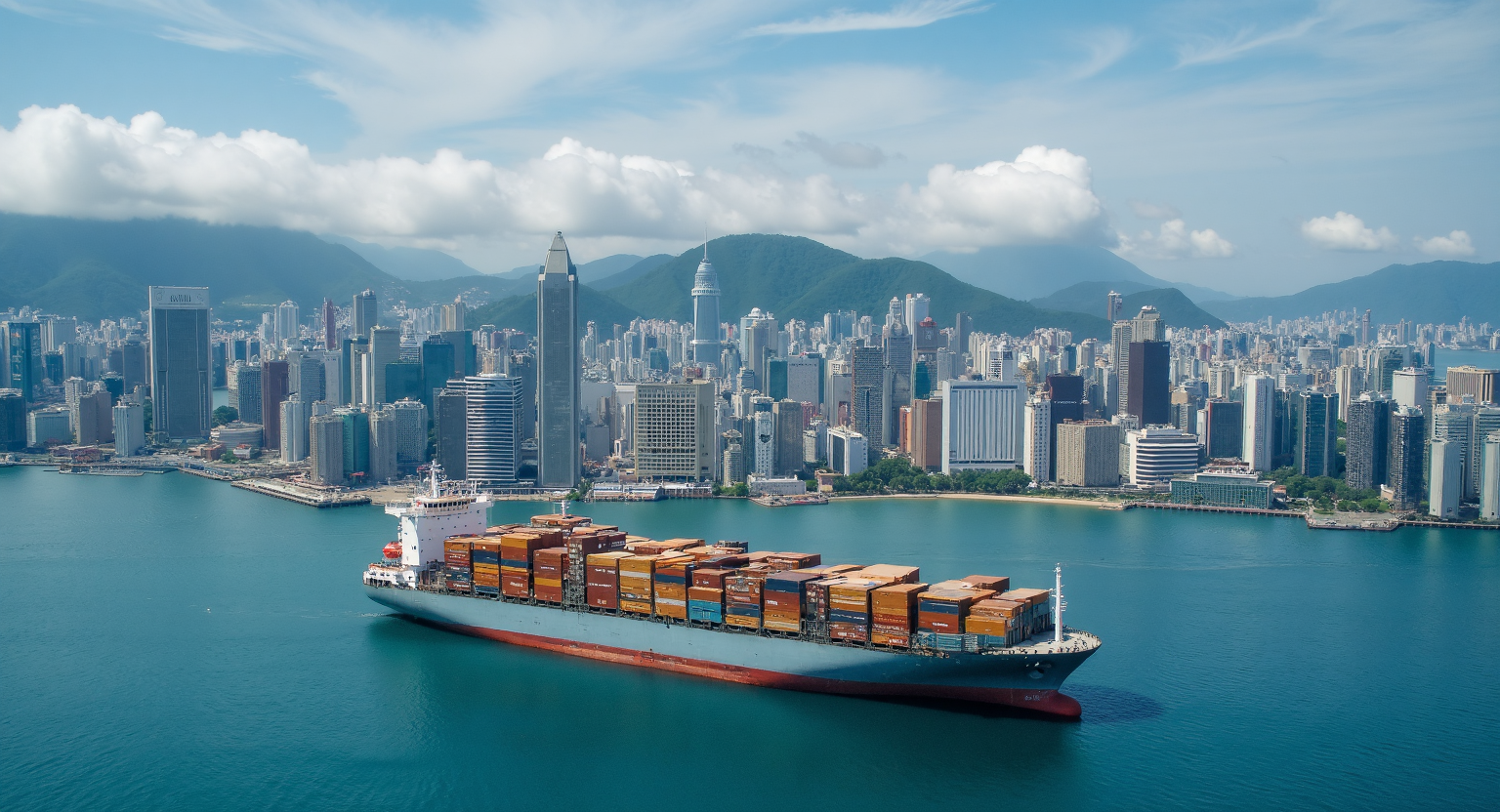
Beneath the Rising Sun: Filipino Engineers, Mental Wellbeing, and the Lure & Loneliness of Japan’s 1980s Economic Boom

The 1980s saw a surge in Overseas Filipino Workers (OFWs) seeking opportunities abroad, driven by a desire for economic advancement amidst a challenging landscape in the Philippines. This wave of migration wasn’t homogenous; it encompassed diverse professions, including a significant number of engineers drawn to the burgeoning economies of countries like Japan. While the narrative

Future-Proofing Filipinas: Skills & Growth for Domestic Workers in Saudi Arabia Beyond 2030 (OFWJobs.org)

The image of the Overseas Filipino Worker (OFW) is deeply ingrained in the Filipino national identity. For decades, Filipinos have ventured abroad, seeking opportunities to provide for their families back home. A significant portion of these OFWs, especially women, find employment as domestic helpers, with Saudi Arabia being a prominent destination. While this path has

From Crisis to Classroom: Filipino Teachers, Remittances, and Reintegration in Qatar During the 1990s Asian Financial Crisis (Visit OFWJobs.org)

The exodus of Filipino teachers seeking greener pastures abroad is not a recent phenomenon. It has deep roots, intertwined with the nation’s economic struggles and the global demand for educators. The late 1990s, particularly the period surrounding the Asian financial crisis, saw a significant surge in Filipino migration, including a notable increase in the number

Building Through Barriers: Filipino Construction Workers, Healthcare, and Digital Transformation in Singapore’s 2020s

The COVID-19 pandemic cast a long shadow over the world, drastically altering the landscape of migration and labor. For Overseas Filipino Workers (OFWs), a cornerstone of the Philippine economy, the 2020s brought a unique set of challenges and opportunities. This is especially true for those in the construction sector in Singapore, a popular destination for

Coding Across Oceans: The Social Cost of Filipino IT Workers in Singapore Since the 1970s (OFWJobs.org)

The exodus of Filipino workers seeking opportunities abroad has been a defining feature of the Philippines’ socio-economic landscape for decades. Beginning in the 1970s, the government actively promoted labor export as a key strategy for economic development. This policy, while generating significant economic benefits, has also resulted in profound social costs, particularly the fracturing of

Filipino Teachers in Saudi Arabia (2000s): Navigating Rights & Diaspora Engagement Amidst Globalization (Find jobs at OFWJobs.org)

The dawn of the 21st century witnessed a surge in globalization, marked by increased interconnectedness and the free flow of goods, services, and – importantly – people. This era saw a significant rise in labor migration, with individuals seeking better economic opportunities beyond their home countries. Among these global migrants, Overseas Filipino Workers (OFWs) became

Filipino Teachers in the US (2000s): Pursuing the American Dream, Navigating Cultural Challenges, and the Impact on Mental Well-being

Introduction The surge of globalization in the 2000s dramatically reshaped the landscape of labor migration, particularly for Filipinos. The Philippines, with its strong emphasis on education and English proficiency, became a major source of skilled workers, including teachers, seeking opportunities abroad. The United States, with its large and diverse student population, emerged as a prime